.svg)

Year-Round Lawn Care Guide for Utah

Utah lawn care moves through spring recovery, summer stress, fall recovery, and winter dormancy. Most Utah lawns contain cool-season grasses such as Kentucky bluegrass and fescues, so soil temperature matters as much as the calendar. Local temperature, elevation, soil texture, sun exposure, and winter conditions can shift treatment timing.
Key Takeaways
- Lawn care throughout the year changes with each season, from spring recovery and summer heat stress to fall root growth and winter dormancy.
- Soil temperature is a major timing signal. Cool-season turf grows strongest around 50°F to 65°F, while root growth can slow sharply as surface soil approaches 90°F.
- Spring care should focus on winter damage, weed timing, soil conditions, watering needs, and compaction before summer stress begins.
- Summer lawn problems can look similar, so brown or thinning turf should be checked for heat stress, grubs, insects, root disease, weeds, and moisture problems.
- Fall is an important recovery period for fertilization, aeration, perennial weed control, and thin turf, while winter care centers on dormancy, frozen-turf damage, and snow mold.
Spring Lawn Care in Utah
Spring lawn care in Utah focuses on winter damage, renewed growth, early weeds, nutrient needs, moisture, and compaction.
Post-Winter Lawn Assessment
A post-winter lawn assessment separates seasonal discoloration from damage that can slow recovery. Look for:
- Snow mold: Matted, bleached, gray, or pink patches after snow retreats.
- Vole activity: Narrow surface runways through grass.
- Salt injury: Brown turf beside roads or walks exposed to deicing salts.
- Persistent thinning: Weak areas after nearby turf greens up.
Spring Fertilization Timing
Spring fertilization timing should follow active cool-season growth and soil conditions. Utah soils commonly range from pH 7.2 to 8.5. High alkalinity can make iron harder for roots to use, so yellow turf may reflect iron chlorosis. Professional timing should reflect turf density and soil conditions.
Spring Weed Control Timing
Spring weed control timing depends on whether weeds are still in seed or already growing.
- Pre-emergent control: Targets annual weeds before germination. Soil temperatures around 50°F to 55°F signal that crabgrass can begin germinating within several weeks.
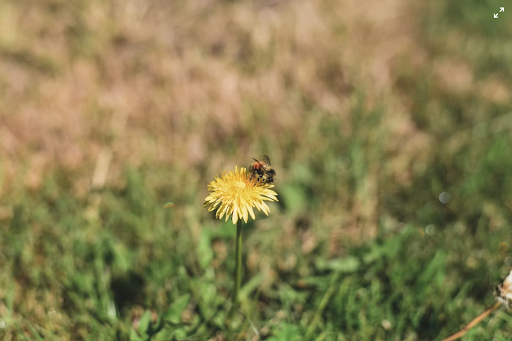
- Post-emergent control: Targets weeds already growing, including perennial broadleaf weeds such as dandelions.
Spring Watering Needs
Spring watering needs rise as temperatures increase and natural moisture declines. Snowmelt and rain can supply much earlier moisture. Persistently wet soil reduces root oxygen, while warmer, drier weather raises demand. Soil moisture and weather matter more than a fixed spring schedule.
When Spring Aeration Helps
Spring aeration helps when compaction is limiting root recovery, water movement, or soil air. Signs include hard soil, slow water entry, shallow roots, and thinning in heavily used areas. Core aeration removes soil plugs and creates larger pore spaces.
Summer Lawn Care in Utah
Summer lawn care in Utah centers on water demand, root stress, weeds, insects, and diseases that become clearer during heat.
Summer Watering Needs
Summer watering needs change with temperature, wind, humidity, rainfall, soil texture, and sun exposure. Excess water reduces root oxygen; shallow-rooted turf can dry faster during prolonged heat.
Protecting Roots During Summer Heat
Protecting roots during summer heat matters because cool-season root growth slows as soil warms. Three numbers show the risk:
- 50°F to 65°F: Best root-growth range for most cool-season turf.
- Near 90°F: Kentucky bluegrass root growth drops sharply in the surface inch.
- 2 to 6 inches: Typical cool-season rooting depth, leaving shallow roots vulnerable to hot surface soil.
Summer Weed Pressure and Control Timing
Summer weed pressure rises where heat and thinning turf create open growing space.
- Crabgrass and spurge: Warm-season annual weeds that establish from seed.
- Established broadleaf weeds: Require post-emergent control during active growth.
- Above about 85°F: Some broadleaf treatments carry greater desirable-plant injury risk.
- Repeated weed clusters: Can point to thin turf or an underlying soil problem.
Signs of Grub and Insect Damage
Grub and insect damage can resemble drought or disease, so feeding patterns matter. Look for:
- White grubs: Spongy turf that loosens after root feeding.
- Billbugs: Brown areas with stem injury and sawdust-like frass.
- Chinch bugs: Dry-looking damage in hot, sunny areas.
- Sod webworms: Ragged feeding and irregular brown patches.
- Animal digging: Repeated activity can accompany root-feeding grubs.
Recognizing Summer Lawn Disease
Summer lawn disease is easier to distinguish by patch shape and root condition than by brown color alone.
- Necrotic ring spot: Straw-colored rings can reach 2 to 3 feet during drought stress.
- Disease activity: It becomes active around 60°F to 70°F at a 3-inch soil depth.
- Summer patch: Can create similar rings or arcs while damaging roots.
Fall Lawn Care in Utah
Utah’s fall lawn care supports root recovery, compaction relief, perennial weed control, and assessment of damaged turf.
Fall Fertilization and Root Growth
Fall fertilization supports cool-season root development and carbohydrate storage before dormancy. Root growth strengthens as soil returns to 50°F to 65°F.
Visible growth may slow while roots remain active. Professional timing should reflect turf density, summer stress, soil conditions, and earlier nutrient treatments.
When Fall Aeration Helps
Fall is generally the preferred aeration period for compacted cool-season lawns. Late summer through early fall combines active growth with lower heat stress.
Aeration has the most value when compaction is confirmed through restricted rooting or poor water movement.
Assessing Thin or Damaged Areas
Assessing thin or damaged areas in fall helps identify problems still limiting recovery. Irregular thinning may reflect insects, root disease, heat injury, or soil conditions.
Cool-season turf generally needs about 4 to 6 weeks before the expected first frost to establish.
Fall Weed Control Timing
Fall weed control is especially relevant for perennial broadleaf weeds with established roots. During active fall growth, these weeds move carbohydrates toward roots for winter storage.
Professional post-emergent treatment can use this movement. Annual weeds near the end of their life cycle have a different treatment value.
Winter Lawn Care in Utah
Winter lawn care in Utah focuses on dormancy, frozen-turf injury, snow cover, and moisture conditions that affect spring recovery.
Understanding Winter Dormancy
Winter dormancy is a normal survival state in which visible growth slows while crowns and roots can remain alive. Cool-season roots can grow below 50°F, then slow sharply near 32°F.
Brown winter blades alone do not confirm turf death; crown and root survival determine spring recovery.
Traffic Damage on Frozen or Wet Turf
Traffic on frozen or saturated turf can injure plant tissue and leave damage visible after spring green-up. Frozen crowns have limited flexibility, while saturated soil compacts more easily.
Winter injury can also involve desiccation, direct low-temperature damage, ice encasement, or crown hydration, where water collects and later freezes.
Snow Cover and Moisture Risks
Snow cover and prolonged cool, wet conditions can support snow mold. Signs include:
- Matted or bleached patches after snow melts.
- Gray or white fungal growth.
- Pink margins around some affected areas.
Year-Round Lawn Care Calendar for Utah
Keep Your Utah Lawn Healthy All Year With Stewart's
Stewart's has served Utah homeowners since 1972. The Lawn Care Program includes:
- Six scheduled visits for fertilization, weed control, and grub control
- Aeration Service available where compacted soil limits lawn performance.
Contact Stewart's for professional lawn care all year.
FAQs
How often should I treat my lawn throughout the year?
You should treat your lawn throughout the year according to seasonal turf growth, weed pressure, nutrient needs, and grub activity. A professional lawn care program can schedule treatments when the grass and target problems are most responsive.
What is the best season to fertilize a lawn in Utah?
The best season to fertilize a lawn in Utah is generally fall, with spring also providing an important feeding period for cool-season turf. Treatment timing should reflect active growth, soil conditions, summer stress, and earlier nutrient applications.
When should I start lawn care in spring?
You should start lawn care in spring as soil warms and turf resumes active growth, while some weed prevention begins earlier. Soil temperatures around 50°F to 55°F indicate that crabgrass germination may begin within the next several weeks.
How often should I water my lawn in Utah?
Most established Utah lawns need about 1 to 2 inches of water per week in spring and fall, and closer to 2 to 3 inches per week during peak summer heat. Actual needs still shift with weather, soil texture, grass type, and sun exposure.
When should I aerate my lawn in Utah?
You should aerate your lawn in Utah during active cool-season growth when soil compaction limits root development or water movement. Early spring can work, while late summer through early fall generally provides the stronger recovery window before dormancy.
How do I keep weeds from coming back every year?
You can keep weeds from coming back every year by matching professional control to the weed's life cycle and maintaining dense turf. Annual weeds are targeted before germination, while established perennial broadleaf weeds require control during active growth.