.svg)

Fall Lawn Care in Utah
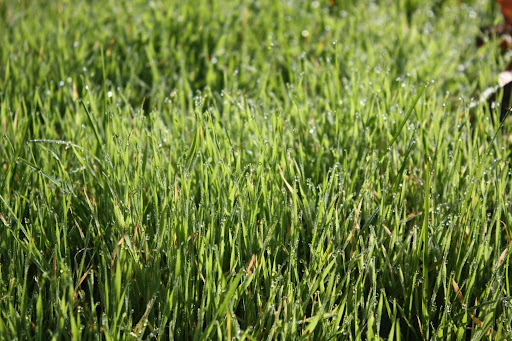
Fall lawn care in Utah should help cool-season turf recover from summer stress, strengthen roots, reduce compaction, address weeds, and enter winter with a healthier root zone. Cool-season grasses produce their strongest root growth when soil temperatures are about 50°F to 65°F.
Key Takeaways
- September and October are the main recovery months for many Utah cool-season lawns.
- Root growth is strongest near 50°F to 65°F soil temperature, even after visible top growth slows.
- Fall aeration improves air and water movement where summer traffic has compacted soil.
- Thin turf needs diagnosis before overseeding, since insects, disease, poor soil, compaction, or water stress can create the same symptom.
- Late-fall fertilization is commonly timed after leaf growth slows, while grass remains green and soil is unfrozen.
- Fall weeds, snow mold risk, leaf cover, and sprinkler winterization become more important as freezing weather approaches.
Utah Fall Lawn Care Calendar
A Utah fall lawn calendar works best when it follows three stages: recovery in late August and September, continued root activity in October, and winter preparation from late October into November. Here are some Utah fall lawn care tips through different seasons.
Early Fall: Late August to September
Late August through September is the main recovery window for many Utah cool-season lawns. Warm soil supports activity, cooler air reduces heat stress, and turf still has recovery time before winter.
September through October is the best seeding and overseeding period for cool-season turf across Utah. Fall seeding benefits from warm soil and lower annual weed pressure, with about 4-6 weeks commonly needed before the expected first frost.
Key early-fall priorities include:
- Fertilization: Nutrient needs shift as summer heat fades and root activity improves.
- Aeration & Overseeding: Compacted lawns are commonly evaluated during September.
- Watering: Demand begins falling as nights cool and daylight shortens.
- Weed Control: Perennial broadleaf weeds remain active.
Thin traffic lanes can point toward compaction, circular or arc-shaped patches can indicate turf disease, and loose or dying turf may signal root-feeding insects.
Mid-Fall: October
October is a transition month when root activity can remain strong even as leaf growth and water use decline.
Important October signals include:
- Core Aeration: Professional hollow-tine aeration can remove soil cores about 3-4 inches deep, opening larger pathways for air and water.
- Overseeding: Thin cool-season turf may still have an establishment window where local frost timing allows enough growth.
- Leaf Cover: Heavy leaves can trap moisture and leave turf matted.
- Water Reduction: Cooler weather lowers evapotranspiration, so summer watering patterns can leave soil excessively wet.
- Weed Control: Dandelion, field bindweed, and other perennials remain active.
Persistent thinning can come from compacted soil, excessive thatch, insects, poor drainage, or weak turf density.
Late Fall: October to November
Late fall shifts attention toward winter readiness as leaf growth slows and freezes become more frequent. Grass color, soil condition, and local freeze patterns are better timing signals than one statewide date.
Late-fall priorities include:
- Winterizer Fertilizer: Late-season nutrition is commonly scheduled after leaf growth slows, while turf is green and soil is unfrozen. In northern Utah, this often falls in November; warmer southern areas may reach it in late November or early December.
- Disease Prevention: Wet, matted turf under leaves or persistent snow has a higher risk of snow mold.
- Clear Leaves: Thick leaf layers can hold moisture against the turf surface.
- Irrigation & Shutdown: Water demand is much lower by late fall, and sprinkler lines need professional winterization before freezing conditions damage water-filled components.
- System Blowout: Systems requiring compressed air should be handled by a qualified professional.
Essential Fall Lawn Care Practices in Utah
Utah lawn care in fall should address the condition limiting turf health, since fertilization, aeration, overseeding, water adjustment, thatch, weeds, and disease risk solve different problems.
Fertilize at the Right Time
Professional fall fertilization supports root activity and carbohydrate storage while cool-season turf remains active. Stored carbohydrates help the plant survive winter stress and support spring recovery.
The strongest late-fall window comes after leaf growth slows, while turf remains green and soil is unfrozen. Many Utah lawns already contain adequate phosphorus or potassium, while nitrogen is more commonly limiting. Soil pH and salinity can also affect nutrient availability.
Professional decisions include:
- Timing: Turf should still be active enough to use nutrients.
- Benefits: Late-season feeding supports roots, winter stress tolerance, and spring green-up.
- Potassium: Added potassium has the most value where soil testing shows a need.
- Slow-release nitrogen: Sandy soils lose nutrients more easily through leaching.
Aerate Compacted Utah Soil
Fall aeration is valuable when compressed soil restricts oxygen, infiltration, and root growth. Compaction reduces pore space between soil particles, leaving roots with less air even when moisture is present.
Professional core aeration removes plugs of soil and thatch. A depth of about 3-4 inches is commonly used to open the root zone. Late summer through early fall supports recovery of cool-season turf.
Hard soil, runoff, thin grass along traffic routes, and weak recovery in otherwise similar areas can support a compaction diagnosis.
Overseed Thin or Bare Areas
Fall overseeding can improve thin cool-season turf when the underlying cause has been identified. September through October is considered the strongest Utah establishment period for many cool-season grasses.
Warm soil supports germination, cooler air reduces heat stress, and annual weed pressure is lower. Persistent bare areas still need investigation for compaction, root-feeding insects, disease, drainage, shade, or damaged soil.
Adjust Watering for Lower Fall Demand
Fall watering needs drop as temperatures cool, daylight shortens, and the lawn loses less water.
Cool-season turf commonly has much of its root system within the upper 2 to 6 inches of soil. Roots need oxygen as well as moisture, so saturated soil can weaken root function.
Assess Thatch Before Winter
Thatch needs separate evaluation from soil compaction. Thatch sits between green turf and mineral soil, while compaction occurs within the soil.
A thatch layer up to about ½ inch can be normal. A heavier layer can restrict rooting, water movement, and nutrient movement. Core aeration may help where compaction and thatch occur together; dethatching decisions depend on measured thatch thickness.
Reduce Heavy Leaf Cover and Winter Disease Risk
Heavy leaf cover can leave turf wet and matted as temperatures fall, creating favorable conditions for winter-active turf diseases.
Pink snow mold can develop during cold, wet conditions without lasting snow cover. Gray snow mold is more closely linked with persistent snow. Shaded areas and colder sides of buildings can stay wet longer.
Control Fall Weeds and Recognize Lawn Problems
Fall weed control works best when the weed type and turf condition are identified first. Perennial weeds such as dandelion and field bindweed move stored energy toward their roots during fall, making this an important professional treatment period.
Professional weed control plans also need to separate perennial weeds from winter annuals and annual bluegrass.
Weed patterns can reveal other lawn problems:
- Broadleaf plantain can be associated with compacted or heavy soil.
- Clover can indicate low fertility.
- Chickweed often appears in moist, shaded, or compacted areas.
- Annual bluegrass is more common where soil stays moist and compacted.
Fall Lawn Care Services From Stewart’s Lawn
Stewart’s has been locally owned and operating in Utah since 1972. Its Lawn Care Program includes six scheduled visits covering fertilization, Weed Control, and Grub Control. Aeration Service is available separately.
Scheduled visits can address:
- Nutrient needs before winter
- Perennial weed pressure
- Grub-related turf damage
- Compacted soil that may benefit from professional aeration
Contact Stewart’s to schedule professional fall lawn care for your Utah property.
FAQs
What should I do to my lawn in the fall in Utah?
In the fall, focus on professional fertilization, aeration where soil is compacted, evaluation of thin turf, weed control, lower seasonal water demand, leaf buildup, and winter preparation. Timing should follow local temperature and turf condition of your Utah lawn.
When should I fertilize my lawn in Utah in the fall?
A Utah lawn should receive late-fall fertilization after leaf growth slows while the grass remains green and the soil stays unfrozen. This often occurs during November in northern Utah and may extend into late November or early December farther south.
Should I aerate or dethatch my lawn in the fall?
Aeration fits fall lawns with compacted soil, poor infiltration, or heavy traffic, while dethatching applies to an excessive organic layer above the soil. A thatch layer above about ½ inch deserves evaluation before the correct professional service is selected.
When should I winterize my sprinkler system in Utah?
A sprinkler system in Utah should be winterized before freezing temperatures can damage water-filled components. Exact timing varies with elevation and local weather, while systems requiring compressed air should be handled by a qualified professional before hard freezes arrive.