.svg)

Winter Lawn Damage in Utah: Signs, Causes & Professional Solutions
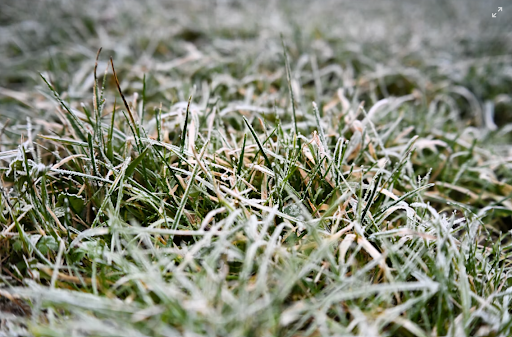
Winter lawn damage in Utah is mainly caused by winter drying, freezing and melting, extreme cold, long-lasting ice cover, snow mold, salt exposure, compacted soil, and vole damage.
These stresses can damage the grass blades, roots, or crown, leaving areas brown, thin, matted, or slow to recover in spring. Professional lawn care can identify the cause and determine whether services such as aeration, fertilization, or weed control are appropriate for recovery.
Key Takeaways
- Winter lawn damage can affect different parts of the grass, including the leaves, roots, and crown, which explains why some areas recover while others remain thin or bare.
- Freezing and melting can damage grass crowns, especially when warmer periods increase crown moisture before temperatures fall sharply.
- Long-lasting ice can restrict air movement around grass, and tolerance varies by species. Kentucky bluegrass can withstand ice cover longer than perennial ryegrass or annual bluegrass.
- Snow mold develops under prolonged cold and wet conditions. Gray snow mold often forms matted patches, while pink snow mold may develop a pale pink edge.
- The location and shape of damage help identify the cause. Exposed dry areas suggest winter drying, pavement-edge damage can indicate salt exposure, and narrow chewed trails can point to voles.
What Causes Winter Lawn Damage in Utah?
In Utah winters, lawn damage is caused by winter drying, freezing damage, long-lasting snow and ice, snow mold, salt exposure, compacted soil, and vole damage.
The main causes affect the lawn in different ways:
Winter drying
It occurs when grass loses moisture during cold, dry, and windy weather. Frozen soil can keep the roots from taking up enough water to replace that moisture. Exposed parts of the lawn are more likely to be affected. Severe drying can damage the crown and lead to dead grass.
Crown damage from freezing and melting
This can occur when temperatures rise and then quickly fall. During a warmer period, the grass crown can take in more water. If a hard freeze follows, that water can freeze and injure the crown.
In perennial ryegrass, increasing crown water from 83% to 88% raises the temperature at which severe cold damage occurs from about 7.5°F to 16°F. Thus, wetter crowns can become damaged at temperatures they might otherwise survive.
Extreme cold damage
This happens when temperatures fall below what the grass can tolerate. Turf becomes more resistant to cold during fall. Warmer periods during winter can reduce some of that protection. A sudden severe freeze can then damage the crown and leave areas that do not green up normally in spring.
Long-lasting ice cover
It can damage grass when a solid layer of ice remains over the lawn. The ice reduces the movement of air around the grass. Oxygen can fall while other gases build up beneath the ice.
Kentucky bluegrass can tolerate long periods under ice, sometimes 150 days or more. Likewise, perennial ryegrass and annual bluegrass may become damaged after roughly 75 to 90 days or less.
Snow mold
This is a fungal lawn disease that develops during long periods of cold and wet conditions. Gray snow mold commonly develops after about 45 to 60 days of snow cover, while some types may need around 75 to 90 days. Pink snow mold can develop during cool, wet weather even without continuous snow.
Salt damage
Damage from salt to the lawn happens near roads, sidewalks, driveways, and areas where snow containing de-icing salt collects. Salt makes it harder for grass roots to take up water. Soil salinity above 2 dS/m can begin affecting salt-sensitive plants. Kentucky bluegrass has relatively low salt tolerance.
Winter traffic and compacted soil
These can affect frozen grass and press soil particles closer together. As a result, it leaves less space for air, water, and roots, which can contribute to thin grass and delayed spring growth.
Vole damage
Vole damage is caused by small rodents called voles that travel and feed beneath snow. They often leave winding trails about 1 to 2 inches wide, which become visible after the snow melts.
What Does Winter Lawn Damage Look Like?
Winter lawn damage looks like matted circular patches, irregular dead or thinning grass, dry exposed areas, brown strips near pavement, or narrow chewed trails through the lawn.
When Should You Be Concerned About Winter Lawn Damage?
You should be concerned about winter lawn damage when the grass does not return to active growth with the surrounding lawn or shows signs of dead plant tissue rather than normal dormancy. Some areas can green up later as soil warms, so early spring color alone does not confirm permanent damage.
Cool-season turf root growth is strongest when soil temperatures are around 50°F to 65°F. Root growth becomes very limited as soil temperatures approach 32°F, which can delay early spring recovery.
Signs that make a professional assessment of winter lawn problems in Utah more important include:
- Grass remains straw-colored, thin, or bare after nearby turf has started growing.
- Uniform tan grass may still be dormant when it remains firmly rooted. Concern increases when isolated areas show little or no recovery after surrounding turf begins active spring growth.
- Grass feels unusually brittle or soft and pulls away easily, which can indicate damaged or dead plant tissue.
- Circular gray, white, or pink matted patches remain after the snow disappears.
- Large areas remain damaged where snow, meltwater, or ice stayed for a long period.
- Yellow or brown injury follows driveways, sidewalks, or other areas exposed to de-icing salts.
- Vole trails are extensive enough to leave clearly thinned or bare areas.
Why Professional Lawn Care Matters After Winter
Professional lawn care matters for lawn damage after winter because it identifies the type and severity of lawn damage before the right professional care is selected.
A professional evaluation can determine the actual reason for winter damage to grass:
- Aeration when compacted soil has reduced the space available for air, water, and root growth.
- Fertilization when the recovering turf needs nutrients to support active growth.
- Weed control when thin winter-damaged areas create more space for weeds to establish.
- Further professional care is needed when disease, crown damage, or extensive turf loss is present.
Give Your Utah Lawn a Strong Recovery After Winter With Stewart's
Give your Utah lawn a strong recovery after winter with Stewart's when persistent damage requires professional evaluation and targeted lawn care. Helping Utah homeowners since 1972, Stewart’s evaluation during scheduled visits includes:
- Winter damage patterns linked to snow mold, salt exposure, crown injury, vole damage, or other winter stress.
- Turf density and spring recovery to identify areas that remain thin, bare, or slow to green up.
- Soil compaction limiting air, water movement, and root growth.
If dead-looking patches, uneven green-up, matted areas, or persistent thinning remain as your lawn enters active spring growth, contact Stewart's Lawn for a professional lawn evaluation.
FAQs
Is brown grass after winter dead or dormant?
Yes, brown grass after winter can be dead or dormant. Dormant turf may stay tan until the soil warms and active growth resumes, while dead areas remain brittle, thin, or bare after nearby grass begins producing new green leaves.
How can I tell if my lawn has snow mold?
You can tell if your lawn has snow mold by looking for circular or irregular matted patches after snowmelt. Gray, white, straw-colored, or faint pink growth, especially along recently exposed snow edges, strongly supports a snow mold diagnosis.
Will winter-damaged grass recover on its own?
Yes, winter-damaged grass may recover when injury is limited mainly to leaf tissue and the crowns remain alive. Recovery is less likely where crowns died from severe freezing, prolonged ice stress, desiccation, salt exposure, or extensive disease injury.
When should I have my lawn professionally assessed after winter?
You should have your lawn professionally assessed after winter, once snow and surface ice are gone and surrounding turf has started active spring growth. Earlier evaluation may confuse dormancy with death, while persistent non-greening areas deserve closer diagnosis.
Can Stewart's help with winter lawn damage in Utah?
Yes, Stewart's Lawn can help with winter lawn damage in Utah by evaluating recovery patterns, compaction, salt exposure, disease-like patches, and other turf stress during scheduled visits. The findings can guide appropriate professional lawn care for spring recovery.