.svg)

Snow Mold in Utah Lawns
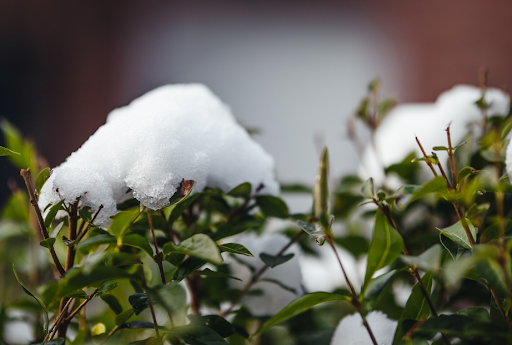
Snow mold is a fungal lawn disease that appears as snow melts or during long periods of cold, wet weather. It leaves circular or irregular patches of flattened grass that may look straw-colored, gray, white, pink, or copper. Gray and pink snow mold can occur separately or together.
Gray snow mold usually damages the leaves while leaving the crown and roots alive. Pink snow mold can stay active without continuous snow cover and can cause more serious damage under severe disease pressure. The most useful clues are when the damage appears, whether the grass is matted, the type of fungal growth present, the crown condition, and whether the area begins growing again in spring.
Key Takeaways
- Gray snow mold is closely linked to long-lasting snow over unfrozen turf. Deep snow keeps the grass dark, humid, and insulated, allowing the fungus to remain active longer.
- Pink snow mold does not need continuous snow. It can spread during cool, wet conditions from around freezing to 60°F, so symptoms may continue after snow has melted.
- Gray snow mold patches range from about 1 inch to 2–3 feet across. Pink snow mold often begins around 2 inches and can expand to 8–12 inches or merge into larger areas.
- Tiny reddish-brown sclerotia spots point to gray snow mold. These hard fungal survival structures may measure about 0.5–2.5 millimeters.
- Snow-cover duration changes gray snow mold risk. Disease becomes more likely after roughly 40–60 days of continuous snow; some gray snow mold fungi need around 60 days, while others become more active after approximately 75–90 days. Risk generally rises when snow remains beyond 90 days.
- Most gray snow mold looks worse than it is. If the crown stays alive, new leaves can grow after the lawn warms and dries.
How Do You Identify Snow Mold in a Utah Lawn?
You can identify snow mold in a Utah lawn by looking for matted, discolored patches that become visible as snow recedes or after prolonged cold, wet weather. Fungal growth, sclerotia, patch size, and crown condition help separate gray snow mold from pink snow mold and other spring lawn damage.
Fresh gray snow mold patches in Utah may have fine white or gray fungal threads that resemble webbing. It usually kills leaves rather than crowns and roots, allowing new leaves to grow as temperatures rise.
Pink snow mold in Utah has greater potential to affect crown tissue, although extensive crown and root damage is uncommon in Kentucky bluegrass, perennial ryegrass, and red fescue.
Where Is Snow Mold Most Likely to Appear in Utah?
Snow mold is most likely to appear in Utah, where snow stays deep, melts slowly, or leaves the grass wet for long periods.
High-risk locations for snow mold lawn disease in Utah include:
- Shaded areas: Snow beneath trees, fences, or structures may melt slowly.
- North- or east-facing edges: Building edges that stay shaded can hold snow longer.
- Snowdrifts and piles: Deep snow along driveways and walkways keeps the turf covered longer.
- Low areas: Poor drainage can keep the grass wet after the surrounding areas are dry.
- Leaf-covered areas: Plant debris traps moisture against the turf.
- Thick-thatch areas: A thick organic layer holds moisture and raises humidity around the grass.
- Long, flattened late-season growth: Matted leaves create a damp pocket beneath snow.
Why Does Snow Mold Develop in Utah Lawns?
Snow mold develops in Utah lawns because snow can create a cold, damp layer around dormant grass where the fungi can stay active for weeks. Snow insulates the turf, keeping temperatures near freezing while moisture remains trapped around the leaves. These conditions allow infection to continue while the grass is growing very little.
Gray and pink snow mold grass fungus develop differently:
- Gray snow mold: The fungus survives warmer months as tiny reddish-brown structures called sclerotia. In cold, wet conditions, they become active and produce fungal growth that infects the grass beneath the snow. New sclerotia later form and can survive for the next disease cycle.
- Pink snow mold: The fungus survives in infected grass and dead plant material. It can become active again during prolonged cold, wet weather, even without snow cover.
- Heavy late-season nitrogen: Fast, soft leaf growth entering winter is more vulnerable to snow mold.
- Dense or matted grass and plant debris: These can hold moisture close to the leaves and create favorable conditions for infection.
Which Utah Lawn Grasses Are More Vulnerable to Snow Mold?
Some of the Utah lawn grasses that are more vulnerable to snow mold include Kentucky bluegrass, perennial ryegrass, and red fescue. However, their susceptibility varies by grass type and the type of snow mold.
For instance:
- Kentucky bluegrass: Susceptible to both types.
- Perennial ryegrass: Susceptible to pink snow mold.
- Red fescue: Can develop pink snow mold.
Pink snow mold colonization of roots and crowns is uncommon in the above lawn grasses, so affected plants often recover.
When Does Snow Mold Need Professional Attention?
Snow mold needs professional attention when the affected lawn does not begin recovering as surrounding grass resumes active growth, crown damage is present, or the same severe areas return year after year.
Most mild gray snow mold affects leaves only and does not require curative disease treatment after symptoms appear.
A professional evaluation becomes more useful when:
- Large areas remain brown or bare after nearby turf has greened up.
- Several patches merge into widespread thinning.
- No new shoots appear from the crown, suggesting deeper plant injury.
- Pink snow mold continues spreading during prolonged cool, wet spring weather.
- The same areas show severe damage repeatedly.
- The diagnosis is uncertain because snow mold, winter injury, salt stress, and root diseases can produce similar discoloration.
Protect Your Utah Lawn from Snow Mold with Stewart’s Lawn
Stewart’s Lawn helps Utah homeowners support recovery from winter lawn stress by evaluating damaged areas during scheduled visits and addressing lawn conditions that can slow healthy spring growth.
Serving Utah homeowners since 1972, Stewart’s Lawn professional lawn care can include:
- Scheduled lawn care program visits with professionally timed fertilization, weed control, and grub control.
- On-site evaluation of Utah lawn diseases during scheduled visits.
- Aeration service where compaction or excessive thatch is restricting root-zone conditions.
- Utah-specific lawn care built around local cool-season grasses, seasonal weather, and soil conditions.
Contact Stewart’s Lawn for a lawn evaluation if snow mold patches remain damaged after the surrounding lawn begins growing again.
FAQs
What causes snow mold in Utah lawns every spring?
Snow mold returns to Utah lawns every spring when surviving fungal structures encounter another period of prolonged snow cover or cold, wet weather. Gray snow mold survives between winters as hard sclerotia in infected leaves, thatch, and nearby soil, while pink snow mold survives in infected plant tissue and dead leaf material.
Is snow mold harmful to my grass?
Yes, snow mold can be harmful to your grass, but most gray snow mold damage is limited to the leaves. If the crown remains alive, new grass blades can grow when spring conditions become warmer and drier. Pink snow mold can cause deeper injury under severe conditions, so slow recovery or crown damage deserves professional evaluation.
What is the difference between gray and pink snow mold?
The difference between gray and pink snow mold is their appearance, survival structures, and weather requirements. Gray snow mold usually develops under long-lasting snow and produces hard reddish-brown sclerotia. Pink snow mold produces pink or salmon fungal growth and can remain active during cold, wet weather from near freezing to 60°F without continuous snow cover.
Will snow mold disappear on its own?
Snow mold often becomes inactive on its own as the lawn dries and temperatures rise. Gray snow mold usually leaves the crown alive, so new leaves can replace damaged growth. Areas that remain bare or fail to produce new shoots after the surrounding turf recovers may have more serious damage or another lawn problem.
When should I call a lawn care professional for snow mold?
You should call a lawn care professional for snow mold when patches are extensive, repeatedly return in the same areas, remain damaged after surrounding grass resumes growth, or show signs of crown injury. Professional evaluation is also useful when the damage could be snow mold, winter injury, salt stress, or another Utah turf disease.