.svg)

Why Is My Lawn Turning Yellow in Utah?
Key Takeaways
- Yellow lawns in Utah are commonly caused by alkaline soil, grub damage, overwatering, drought stress, disease, soil compaction, and fertilizer problems.
- The pattern of yellowing, where it appears, and how the grass responds to watering can help identify the likely cause.
- Utah's alkaline soils can limit iron availability, causing iron chlorosis and yellow grass even when the lawn receives enough water.
- Grub damage causes yellow or brown patches, and affected turf may lift easily from the soil because the roots have been damaged.
- Identifying the cause before treatment helps prevent the problem from continuing or getting worse.
Yellow grass does not always mean the lawn needs more water. The location, pattern, and condition of the yellowing can help identify whether the problem is related to soil, irrigation, pests, disease, or grass stress.
1. Iron Chlorosis From Alkaline Soil
Utah soils commonly have a pH between 7.2 and 8.3, creating alkaline conditions that can limit iron availability to grass roots. This alkaline soil can limit the amount of iron available to grass roots and cause iron chlorosis, even when the soil contains enough iron. Cool-season grasses may show this problem during active growth.
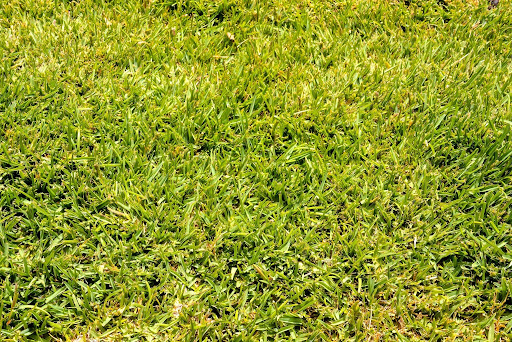
What to look for: Newer grass blades turn pale yellow while the veins remain green. This interveinal yellowing is a common sign of iron chlorosis.
Why watering does not help: If the lawn receives enough water but new growth continues to turn yellow, the problem is more likely related to high soil pH than a lack of water.
What can make it worse: High soil pH and poor root-zone conditions can make it harder for grass roots to access available iron.
Natural new growth: Some new grass growth can appear lighter green or yellowish before developing its normal color. If the color deepens as the blades mature, it may be normal growth rather than iron chlorosis. Persistent yellowing with green veins is more concerning.
2. Overwatering and Root Oxygen Deprivation
Overwatering can cause grass to turn yellow, especially in areas with poor drainage. When soil stays saturated for too long, water fills the air spaces between soil particles and limits the oxygen available to grass roots. This weakens the root system and makes the grass more vulnerable to other problems.
What to look for: Yellowing often appears across large areas or in low spots where water collects. The soil may stay wet or feel soft long after irrigation.
Other signs: Grass may look weak or thin, and water may remain on the soil surface instead of soaking in.
Why it matters: Adding more water will not fix yellowing caused by excess moisture. The irrigation and drainage conditions may need to be evaluated to identify the cause.
3. Grub Damage
Grub damage in Utah lawns is caused by beetle larvae that feed on grass roots below the soil surface. In Utah, several types of white grubs can damage turf, including larvae of June beetles and masked chafer beetles. Root feeding can continue before visible yellowing or browning appears.
What to look for: Irregular yellow or brown patches that expand over time. Affected turf may lift easily from the soil because root damage has weakened its connection to the soil.
Why it can be difficult to spot: Grubs feed below the soil surface, so significant root damage may occur before the lawn shows obvious symptoms.
Why it matters: By the time yellow or brown patches appear, the grass roots have already been damaged. Watering or fertilizing alone will not address the underlying pest problem.
4. Drought Stress
Utah's semi-arid climate makes lawns more vulnerable to drought stress, especially during hot summer weather. Cool-season grasses turn yellow when they do not receive enough water. Prolonged dry conditions can cause the grass to become brown and straw-colored.
What to look for: Yellowing or browning often starts in the hottest, most sun-exposed areas. Grass may also wilt, lose its normal green color, or feel dry underfoot.
Where it appears first: Areas with full sun, slopes, poor irrigation coverage, or shallow soil often show drought stress before the rest of the lawn.
Why it matters: If the grass does not recover after receiving adequate water, another problem such as pests, disease, or soil issues may be responsible.
5. Lawn Disease
Some turf diseases cause yellow or brown patches that can look similar to watering or nutrient problems. The shape and pattern of the affected area can help identify a possible disease.
Ascochyta: Causes discolored or straw-colored areas on grass blades. It usually affects the upper part of the blade rather than killing the entire plant.
Necrotic Ring Spot: Causes circular or ring-shaped patches of yellow, brown, or thinning grass. It is commonly associated with Kentucky bluegrass, and affected areas can expand over time.
What to look for: Defined patches, circular rings, discolored blades, or damage that continues to spread even when the lawn receives adequate water.
Why identification matters: Disease symptoms can look similar to drought, watering, and nutrient problems. Professional evaluation can help determine the cause before treatment.
6. Soil Compaction
Compacted soil restricts grass root growth and reduces the movement of air and water through the soil. This leaves turf thin, weak, and yellow, especially in areas with regular foot traffic.
What to look for: Yellow or thin grass along pathways, near gates, around play areas, or in other high-traffic sections of the lawn.
Other signs: Water may run off the surface instead of soaking in, and the soil may feel hard when dry.
Why it matters: Compacted soil limits healthy root growth and makes it harder for grass to access water and nutrients. Core aeration can help relieve compaction when it is contributing to yellow or thinning turf.
7. Fertilizer Burn
Applying too much fertilizer or spreading it unevenly can damage grass and leave yellow, brown, or straw-colored patches. The pattern of the damage often provides a clue, especially when it follows the area where fertilizer was applied.
What to look for: Streaks, strips, or clearly defined patches that match the fertilizer application pattern.
Nitrogen deficiency: Low nitrogen availability can cause older grass blades to turn pale green or yellow and can lead to thin, slow-growing turf. Unlike fertilizer burn, which often appears as streaks or patches after fertilizer is applied, nitrogen deficiency can cause a more general loss of green color.
When it appears: Damage may become noticeable soon after fertilization, especially when too much product has been applied, or it was distributed unevenly.
Why it matters: Adding more fertilizer can make the damage worse. Professional evaluation can help determine whether fertilizer burn is responsible for the yellowing.
8. Soil Salinity From Irrigation
Salt can build up in Utah soil when high evaporation removes water from the soil while dissolved salts remain behind. Over time, these salts can become concentrated in the grass root zone, especially when rainfall or irrigation does not move them deeper into the soil. Poor drainage and salty irrigation water can make the problem worse.
What to look for: Yellowing that develops gradually, especially in areas with poor drainage or a history of irrigation-related salt buildup.
Other signs: Grass may look thin or stressed even when it receives enough water. High soil salinity can also make it harder for grass roots to take up water.
Why it matters: Simply increasing irrigation may not solve the problem. Soil and irrigation conditions need to be evaluated to determine whether salinity is contributing to the yellowing.
How to Identify the Cause of Yellow Grass
Seasonal Yellow Lawn Prevention Calendar for Utah
Cranberry girdler: This Utah turf pest feeds below the soil surface and can damage grass roots and crowns. It is most active in late summer and early fall and can cause yellow or brown patches that resemble other types of turf damage. Professional evaluation can help distinguish it from other root-feeding pests.
Keep Your Utah Lawn Green With Stewart's
Stewart's Lawn Care & Pest Control has served Utah homeowners since 1972. Our lawn care programs are designed for Utah's alkaline soils and semi-arid climate, with services available across Salt Lake, Utah, and Davis counties.
Depending on the cause, Stewart's Lawn Care Program can help address several conditions that contribute to yellow or thinning turf, including:
- Fertilization designed to support healthy grass growth throughout the growing season
- Grub Control to help prevent and treat grub damage in affected lawns
- Weed control and crabgrass prevention to help keep turf healthy and dense
- Core aeration to relieve soil compaction and improve air and water movement around grass roots
Contact Stewart's today to schedule a professional lawn evaluation and learn more about the possible cause of yellowing in your Utah lawn.
Frequently Asked Questions
Why is my lawn turning yellow even though I water it regularly in Utah?
Regular watering does not prevent yellowing caused by iron chlorosis, soil compaction, grub damage, disease, or overwatering. High soil pH can limit iron availability and cause iron chlorosis even when the lawn receives enough water. Soil that stays wet for too long can also cause yellowing by limiting oxygen around the grass roots.
Can Utah's hot summers make my lawn yellow?
Yes. Utah's hot, dry summers can cause drought stress, especially in cool-season grasses such as Kentucky bluegrass. Yellowing usually starts in hot, sunny areas and can turn brown when dry conditions continue. Insects and lawn diseases can cause similar symptoms, so the pattern of the damage can help identify the cause.
How do I know if my yellow lawn has grubs?
Grubs can cause irregular yellow or brown patches, especially in late summer. Affected turf may lift easily from the soil because the roots have been damaged. Since other lawn problems can cause similar symptoms, professional evaluation can help determine whether grubs are responsible.
Is yellow grass always a sign that my lawn is dying?
No. Drought stress, seasonal changes, iron chlorosis, and other temporary conditions can cause grass to lose its green color without killing the lawn. Yellowing that continues or spreads, especially when accompanied by root damage, can indicate an underlying lawn problem.
Can hard water contribute to yellow lawns in Utah?
Hard water itself does not usually cause yellow grass, but irrigation water can contribute to soil salinity. In Utah's dry climate, evaporation can concentrate salts in the soil and make it harder for grass roots to take up water. Poor drainage can make salt buildup worse.