.svg)

When Is the Best Time to Prune Trees
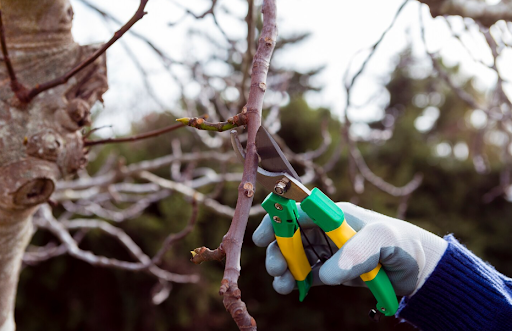
The best time to prune trees in Utah is usually winter to early spring, before buds swell and new growth begins. February and March are the main pruning months for many Utah trees. Apple and pear trees are often pruned around mid-February, stone fruits around mid-March, spring-flowering ornamentals after blooming, and trees in colder mountain valleys a few weeks later than along the Wasatch Front.
Key Takeaways
- Most Utah landscape trees are best pruned in winter or early spring while dormant and before buds swell.
- February and March are the main pruning months, but Utah elevation and tree species can shift the timing.
- Apple and pear trees can usually be pruned around mid-February along the Wasatch Front, while stone fruits are pruned later.
- Spring-flowering ornamental trees are generally pruned after flowering when preserving blooms matters.
- Dead, broken, storm-damaged, diseased, or hazardous branches may need attention outside the normal season.
- Maples and birches can release sap after late-winter pruning, but this usually stops within days and does not harm the tree.
When Is the Best Time to Prune Trees?
The best time to trim trees in Utah is generally winter or early spring, when the tree is dormant and buds have not started swelling. Leafless branches also make crossing limbs, weak attachments, dead wood, and structural problems easier to see.
For established landscape trees, structural problems are best corrected while branches are small. Branches should be pruned before they exceed about 2 inches in diameter because smaller wounds close more easily.
Maples, birches, and walnuts can “bleed” sap after late-winter pruning. The sap can look concerning, but this flow is not harmful and normally stops within a few days.
Tree Pruning Schedule Utah Homeowners Can Follow
A practical tree pruning schedule Utah homeowners can use starts with dormant-season pruning, then adjusts for flowering, heat, tree type, weather, and damage.
Fall pruning wounds can be more vulnerable to decay organisms, while summer cuts can experience tissue drying and dieback around wound edges.
When to Prune Different Types of Trees in Utah
When to prune trees in Utah depends on species, flowering cycle, cold tolerance, growth stage, and location. If you are deciding when to trim trees, identify the tree type first because the normal dormant-season rule has important exceptions.
Start fruit-tree pruning a few weeks later in Utah’s colder mountain valleys than along the Wasatch Front. This generally means early to mid-March for apples and pears and late March to early April for stone fruits, depending on local weather.
When Should You Prune a Tree No Matter the Season?
A tree should be pruned outside the normal season when a branch creates an immediate safety concern or damaged or diseased wood requires timely attention.
Reasons for prompt professional attention include:
- Hazardous limbs: Split, hanging, cracked, or unstable branches can fail in wind, snow, or storms.
- Dead wood: Dead branches become brittle and can break without warning.
- Storm damage: Torn or partly detached limbs can leave unstable wood and exposed tissue.
- Utility hazards: Branches near electrical lines require qualified line-clearance professionals.
- Disease symptoms: Blackened shoots, hooked branch tips, attached dead leaves, bacterial ooze, or sunken cankers can point to fire blight on susceptible apple and pear trees.
Fire blight needs more careful timing than a simple prune-anytime rule. In Utah, the bacteria become slowly active around 50°F and spread more readily when open blossoms, warmth, and moisture occur together.
Dormant cankers are commonly removed in winter or early spring during dry weather, while new infections can require attention during the growing season.
When Is It Better to Wait Before Pruning?
It is better to wait when pruning would remove important live growth, interfere with cold acclimation, or add unnecessary seasonal stress. For instance:
- Fall: Avoid major routine pruning while trees are developing cold tolerance.
- Extreme summer heat or drought: Heavy live-branch removal reduces leaf area and can expose previously shaded bark.
- Severe winter cold or frozen wood: Delay non-urgent pruning until conditions improve, especially for cold-sensitive fruit trees.
- Before spring-flowering ornamentals bloom: Early cuts can remove flower buds and reduce the current season’s display.
- At planting: Only dead, broken, diseased, or insect-damaged branches normally need removal. Structural problems should then be addressed while branches are young rather than waiting until they become large.
Sap flow alone is not a health reason to delay pruning maples or birches. Timing can be adjusted if appearance is a concern, but the bleeding itself generally does not injure the tree.
Should You Prune Trees Yourself or Hire a Professional?
You should hire a qualified tree professional when pruning involves height, large limbs, structural defects, decay, storm damage, or branches near utilities or buildings.
Professional help is especially important when climbing is required, large branches could fall unpredictably, cavities or cracks may affect strength, or branches are close to power lines or structures.
How Stewart’s Can Help With Tree Care in Utah
Stewart’s helps Utah homeowners identify tree-health problems that can look like pruning issues, including weak growth, dieback, thinning foliage, discoloration, cankers, insects, borers, and disease. Stewart’s has served Utah homeowners since 1972.
Tree and shrub health services include:
- tree and shrub fertilization;
- insect, fungus, and borer services;
- tree insect and disease injections; and
- iron chlorosis injections.
A tree with repeated dieback or thinning may have an underlying health problem rather than simply needing branches removed. Contact Stewart’s Lawn for an on-site tree health evaluation and care recommendations based on the symptoms found.
FAQs
What is the best month to prune trees in Utah?
February and March are generally the best months for pruning many Utah landscape trees because they remain dormant before bud swell. Fruit trees and trees in colder mountain valleys may need later timing based on species and weather.
Can you prune trees in the summer in Utah?
Yes, Utah trees can be pruned in summer when dead, diseased, broken, storm-damaged, or hazardous branches require attention. Major structural pruning is usually delayed because removing substantial live foliage during hot weather can increase stress and expose shaded bark.
When should fruit trees be pruned in Utah?
Apple and pear trees are generally pruned around mid-February along the Wasatch Front, while peaches, nectarines, apricots, and plums are usually pruned around mid-March. Colder Utah mountain valleys often require pruning a few weeks later.
When should flowering trees be pruned in Utah?
Spring-flowering ornamental trees such as flowering cherry, flowering plum, and crabapple are generally pruned after their flowers fade when preserving blooms is important. Earlier pruning can remove flower buds formed during the previous growing season and reduce flowering.
How can Stewart’s help with tree care in Utah?
Stewart’s helps Utah homeowners identify and address tree-health problems involving nutrients, insects, borers, disease, and iron chlorosis. An on-site evaluation can determine whether yellowing, thinning foliage, dieback, cankers, or pest activity points to an underlying health problem.