.svg)

How to Identify and Treat Fire Blight on Your Trees

How to Identify and Treat Fire Blight on Your Trees
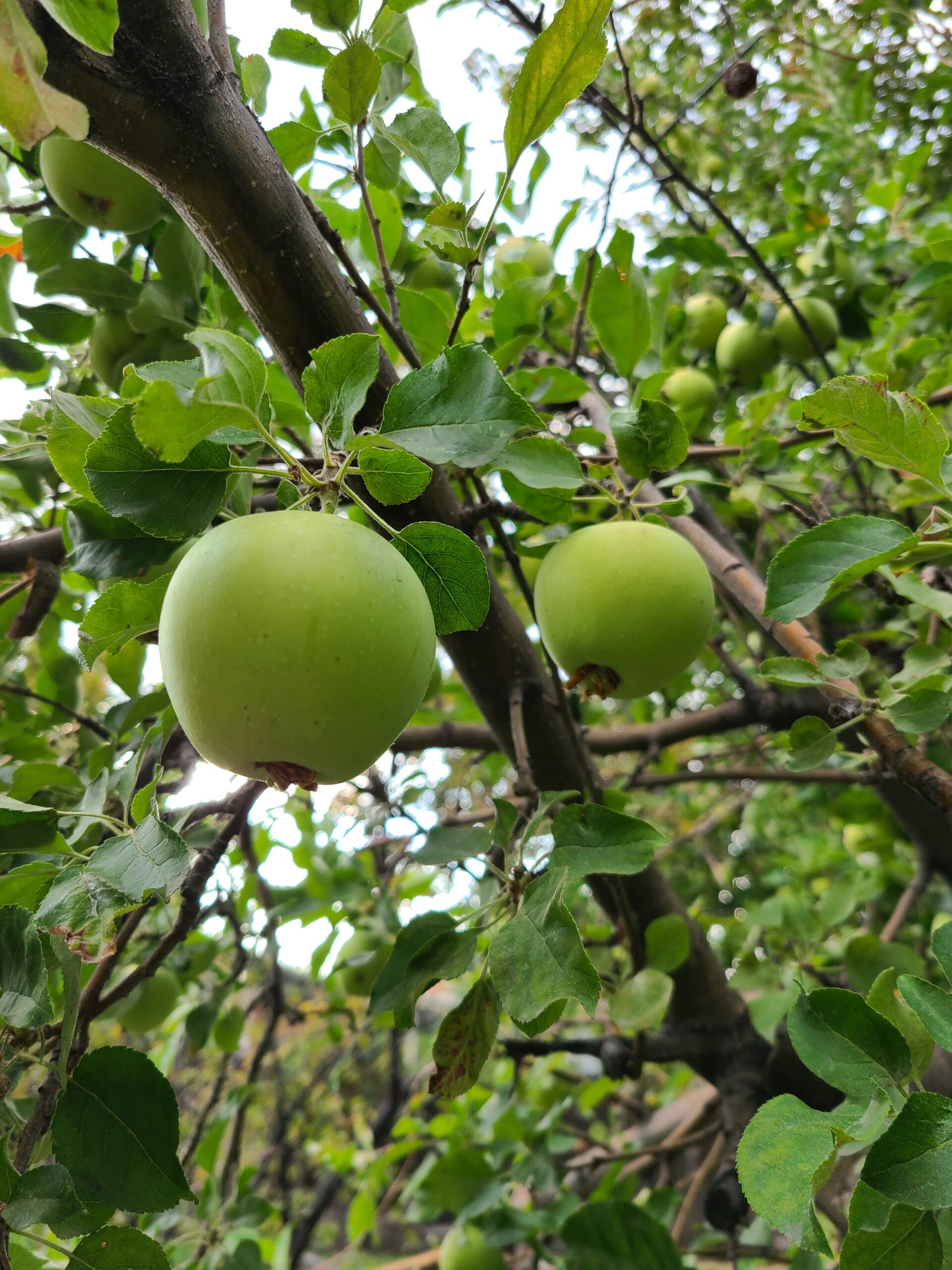
If your tree’s branches and leaves start to shrivel and turn brown, it may be struggling with fire blight. Fire blight is a bacterial disease that affects a variety of trees, but pear and apple trees are particularly susceptible. Read on to learn how to identify, treat, and prevent fire blight.
How to Identify Fire Blight
Fire blight gets its name from the scorched look it causes. First, the branches darken and crack. Affected areas of the tree (usually small branches and leaves) eventually wilt and turn brown or black, creating the burnt look. The tips of branches are especially susceptible and tend to curl as the infection worsens—this is one of the most reliable indicators of a fire blight infection. Over time, the disease can also cause oozing cankers to develop on the branches.
How Fire Blight Spreads
Fire blight disease is caused by bacteria that enter through the blossoms and tips of leaves. This is usually facilitated by insects that pick up the bacteria from infected trees and carry it to other trees. However, the disease can also spread through water droplets and pruning. Because it can spread so easily, it’s important to remove affected parts of the tree quickly.
How to Treat and Prevent Fire Blight
Stewart’s offers a combination of tree treatments that help prevent fire blight. When faced with fire blight, we usually recommend our dormant oil copper spray coupled with our disease injection treatment to help prevent the disease from spreading. These can help slow the damage and prevent future injury from the disease.
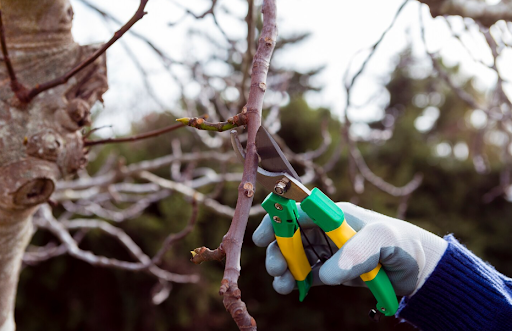
If your tree already has fire blight, you’ll need to trim the infected parts of the tree while it is dormant to prevent further damage. Fire blight spreads quickly, so make sure you sanitize the pruning shears between cuts to avoid spreading the disease.
Call or text our office at 801-226-2261 for a free tree service quote and more information about our tree services!