.svg)

What Happens to Your Utah Lawn in Winter?
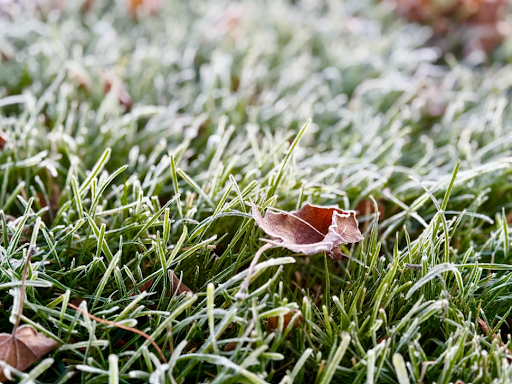
Your Utah lawn usually goes dormant in winter as cold temperatures slow grass growth and cause the green color to fade. The roots and crown can remain alive through winter, although prolonged ice, freezing and melting, heavy traffic, disease, and moisture loss can cause damage.
Key Takeaways
- Utah lawns usually enter dormancy during winter. The grass may turn brown while the crown and roots remain alive.
- Snow can protect the lawn by insulating the soil and reducing sudden temperature changes around the grass crown.
- Snow mold can develop in cold, wet conditions. Gray snow mold mainly affects blades, while pink snow mold can damage crowns and roots.
- Frozen grass is fragile, and heavy traffic can damage blades, crowns, and soil structure.
- Prolonged ice and repeated freezing and melting can cause winterkill, especially when living crown tissue is damaged.
Does Grass Die in Utah During Winter?
No, grass in Utah usually does not die during winter. Most cool-season lawns enter winter dormancy, so growth stops and the blades turn brown while the crown remains alive. True grass death is called winterkill. It can occur when crown tissue is damaged by severe cold, prolonged ice cover, winter moisture loss, salt exposure, or crown hydration followed by rapid freezing.
What Happens to Your Lawn During a Utah Winter?
During a Utah winter, the lawn shifts from active growth to winter survival. Most Utah lawns contain cool-season grasses such as Kentucky bluegrass, tall fescue, fine fescues, and perennial ryegrass, although some properties have warm-season turf with a longer brown dormant period.
Your Grass Goes Dormant and Loses Its Green Color
Your grass goes dormant and loses its green color as cold soil slows its growth. The grass also changes internally so it can survive freezing temperatures.
During dormancy:
- Grass growth becomes very limited as soil temperatures fall toward 45°F.
- Over about three to four weeks at 35°F to 45°F, the grass stores more soluble carbohydrates and reduces water inside its tissues. These changes help protect living cells from freezing.
- Lower chlorophyll production causes the grass blades to turn tan or brown.
- Carbohydrates stored in the crown and roots help keep these living parts alive through winter.
The Crown and Root System Stay Alive
The crown and root system stay alive during winter, even when the grass blades above them stop growing. The crown sits at the soil surface and is the main growing point of the grass.
During winter:
- The crown stays alive and remains ready to produce new shoots and roots when active growth returns.
- Roots remain alive while root activity becomes very slow and stored carbohydrates provide energy for survival.
- Blade damage does not always mean dead grass since brown or damaged leaves can occur while the crown remains healthy enough to produce new growth in spring.
- Crown damage is more serious when excess moisture loss, freezing while the crown contains too much water, or prolonged ice damages this living tissue.
Soil Freezes While Snow Protects the Lawn
Soil can freeze during a Utah winter, which limits the amount of water grass roots can absorb. Snow cover can help by insulating the soil and keeping temperatures around the crown more stable.
During freezing conditions:
- Frozen soil can leave living roots unable to take up enough water.
- Snow traps air and slows the movement of heat between the soil and cold air.
- Bare soil at a two-inch depth shows about a 15°F day-to-night temperature swing, while snow-covered soil remains more stable.
- Stable soil temperatures reduce sudden temperature changes around the crown.
Snow Mold Can Develop
Snow mold can develop when grass stays cold and wet for a long time, especially under lasting snow cover. The disease usually becomes visible as the snow melts.
Common signs and differences include:
- Gray snow mold develops around 30°F to 45°F and often forms circular, gray or straw-colored patches about 1 to 3 feet wide. It mainly damages grass blades.
- Pink snow mold develops quickly around 32°F to 46°F in humid conditions and can occur without snow. Patches may have pink or salmon-colored edges.
- Pink snow mold can reach the crown and roots, making it more damaging than gray snow mold.
Heavy Traffic Can Damage Frozen Turf
Heavy traffic can damage frozen turf when people or vehicles put pressure on brittle grass and frozen crowns. Ice inside plant cells makes the grass more likely to break under weight.
Traffic can cause several types of injury:
- Frozen grass blades can fracture or become crushed under repeated pressure.
- Heavy pressure can injure the crown, which is the grass plant’s main growing point.
- Compacted soil can restrict future root growth and reduce the movement of air and water.
Ice and Freezing-and-Melting Cycles Can Cause Winterkill
Ice and repeated freezing and melting can cause winterkill when they damage the living crown of the grass. Several processes can cause this winter lawn damage in Utah:
- Thick ice can restrict oxygen and trap gases while dormant grass continues very slow respiration. 30 to 45 days of heavy ice cover can threaten sensitive grasses such as perennial ryegrass.
- Crown hydration can occur during warmer periods when the crown absorbs water. A sudden freeze can then damage these water-filled cells.
- Low areas are more vulnerable when melting snow collects and freezes again.
Your Lawn May Experience Moisture Stress
Your lawn may experience moisture stress during winter when it loses more water than its roots can absorb. This condition is called winter desiccation and can damage the crown in severe cases.
Winter moisture stress is more likely when:
- Cold, dry winds pull moisture from dormant grass.
- Frozen soil prevents roots from replacing lost water.
- Snow-free areas have less protection from wind and moisture loss.
- Exposed slopes, elevated areas, and shallow soils dry out faster.
- Severe desiccation can leave thin, bleached, or persistent brown areas in spring.
- During long dry periods, winter water may be needed when there is no snow, the ground is unfrozen, and air and soil temperatures are above 40°F.
What Happens to Your Lawn When Utah Winter Ends?
Your lawn starts growing again when the Utah winter ends as the soil warms and the grass comes out of dormancy.
Protect Your Utah Lawn This Winter With Stewart's
Stewart's Lawn provides professional lawn care that helps identify winter stress and support healthy spring recovery. Helping Utah homeowners since 1972, we understand how local winter conditions can affect turf.
Our professional winter lawn care in Utah can help:
- Identify whether poor spring recovery is linked to snow mold, compaction, winterkill, or moisture stress.
- Evaluate persistent brown patches, thin turf, unusual rings, and uneven spring green-up.
- Determine whether professional fertilization, weed control, Grub Control, or aeration fits the lawn’s condition.
Give your lawn professional care through winter and into spring. Request a lawn care evaluation from Stewart's.
FAQs
Why does my Utah lawn turn brown in winter?
Your Utah lawn turns brown in winter as cold temperatures push cool-season grasses into dormancy and slow chlorophyll production. The leaves may lose color while the crown and roots remain alive, allowing turf to green again in spring.
How can I tell if my lawn is dormant or dead?
You can tell a dormant lawn from a dead lawn after temperatures rise and crown activity resumes. Dormant turf usually greens from living crowns, while winter-killed areas stay thin, bare, or unchanged as surrounding grass begins spring growth.
Can snow damage my Utah lawn?
Yes, snow can damage a Utah lawn when long-lasting cover creates cold, wet disease conditions or when packed snow contributes to prolonged ice. Loose snow can also protect turf by insulating crowns and reducing sharp soil-temperature changes during winter weather.
Why does snow mold appear on Utah lawns?
Snow mold appears on Utah lawns when grass stays cold and wet long enough for fungal growth. Gray snow mold is linked to prolonged snow cover, while pink snow mold can develop during humid weather even when snow is absent.
Should I water my lawn during winter in Utah?
Yes, some Utah lawns may need supplemental winter water during prolonged dry, snow-free periods when the soil remains unfrozen. Needs vary with exposure, turf age, soil condition, and precipitation, so professional evaluation is useful when winter desiccation is suspected.
Can Stewart's help restore a lawn damaged by winter?
Yes, Stewart's can help restore a lawn damaged by winter. We evaluate winter-damaged Utah lawns and identify whether poor recovery is linked to snow mold, compaction, moisture stress, or winterkill. A professional lawn care plan can then address the conditions affecting turf recovery during the growing season.