.svg)

Utah Winter Tree Care Tips
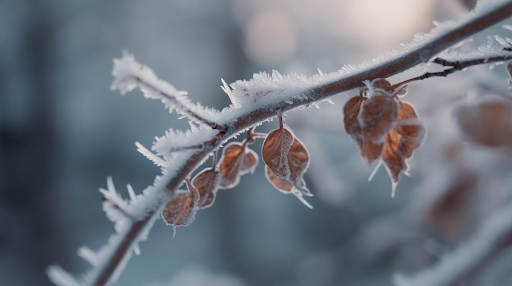
Utah winter tree care should protect roots, bark, branches, and evergreen foliage from dry soil, rapid temperature changes, snow and ice, salt exposure, and animal damage. The right care depends on tree age, species, site exposure, soil condition, and winter weather.
One winter plan does not fit every property because absolute minimum temperatures at Utah range from 12.2°F to below -45°F.
Key Takeaways
- Winter tree care should focus first on root moisture, bark protection, and structural strength before serious damage develops.
- Winter watering may be appropriate during long dry periods when the air and soil are above 40°F, the soil is unfrozen, and snow cover is absent.
- Young and recently planted trees need greater winter attention since their root systems and bark are still developing.
- Weak branch unions, multiple main stems, deadwood, and existing cracks deserve attention before heavy snow or ice adds more load.
- Winter care should continue into spring since cold injury, salt stress, and vascular damage may remain hidden for several months.
8 Utah Winter Tree Care Tips to Protect Your Trees
These 8 tips for winter tree care in Utah focus on reducing winter stress before it develops into bark injury, branch failure, root damage, or spring decline.
1. Protect Root Moisture During Long Dry Winter Periods
Protect tree roots from winter dryness by checking the soil, snow cover, and temperature before deciding if they need extra water. Tree roots can continue growing while the soil remains moist and above about 40°F.
Winter watering decisions should consider:
- Temperature: Water trees during dry winter periods when temperatures are above 40°F and the ground is not frozen.
- Snow Cover: Older trees may require no added winter water when precipitation and snow provide enough moisture.
- Tree Age: Recently planted trees have a smaller root area and less access to stored soil moisture.
- Exposure: Wind, strong winter sun, and reflected heat increase moisture loss.
2. Give Young and Newly Planted Trees Extra Winter Protection
Give young trees, generally those under five years old, extra winter protection because their smaller root systems and thinner bark make them more vulnerable to winter damage. Newly planted trees also face greater risk from winter dryness.
A winter tree-care assessment should account for:
- Root Establishment: Limited roots make young trees more sensitive to dry soil.
- Thin Bark: Young maples, ashes, fruit trees, crabapples, lindens, birches, and similar trees have a greater risk.
- Past Stress: Drought-stressed trees enter winter with less resilience.
- Site Exposure: Strong south and west exposure increases bark-temperature changes.
- Previous Injury: Existing bark wounds or transplant stress can raise the risk of additional winter damage.
3. Protect Thin Bark From Winter Sunscald
Protect susceptible young trees from sunscald before repeated winter heating and freezing damage living bark tissue. Sunscald is especially common on the south and southwest sides of thin-barked trunks.
Professional winter bark protection should consider:
- Temperature Change: The south side of a trunk can become up to 77°F warmer than the north side on a cold winter day.
- High-Risk Trees: Young apples, ashes, birches, cherries, crabapples, lindens, maples, peaches, poplars, and similar trees are more susceptible.
- Reflective Protection: Light-colored professional trunk protection can limit winter bark heating.
- Protection Period: Susceptible newly planted trees may need winter trunk protection during their first two to three winters.
- Existing Damage: Sunken, splitting, or peeling bark deserves professional assessment since damaged tissue can later attract borers or pathogens.
4. Protect Evergreens From Winter Desiccation
Reduce winter desiccation by keeping evergreen roots adequately supplied with moisture when winter conditions allow. Evergreens continue losing water through their needles and leaves during winter.
Browning that continues to spread should be professionally evaluated. Salt exposure, root damage, insects, and disease can cause similar symptoms.
5. Correct Weak Tree Structure Before Heavy Snow and Ice
Have weak branch structure professionally evaluated before snow and ice add significant weight to the tree. Trees with narrow unions, multiple main stems, included bark, or dead branches have a greater risk of winter failure.
Structural tree care in Utah winter should focus on:
- Co-Dominant Stems: Two similarly sized main stems can form a weaker attachment.
- Included Bark: Bark trapped inside a branch union can reduce structural strength and may decay over time.
- Narrow Unions: Tight V-shaped attachments are generally weaker than wider branch unions.
- Deadwood: Dead or decaying limbs have less structural strength under winter loading.
6. Protect Young Trunks From Winter Animal Damage
Protect vulnerable young trunks from rabbits, voles, mice, and deer before winter feeding damages bark and vascular tissue. Severe bark loss can girdle a tree and interrupt movement between the roots and upper branches.
Winter protection should account for:
- Snow Depth: Deep snow can allow animals to reach bark higher on the trunk.
- Voles and Mice: Feeding often occurs close to the ground or beneath snow.
- Rabbits: Damage commonly occurs near or above the snow line.
- Deer: Deer can eat young shoots and buds, while antler rubbing can damage young bark.
- Girdling Risk: Damage extending around a large part of the trunk is more serious than a small isolated wound.
7. Reduce Deicing-Salt Exposure Around Tree Roots
Reduce winter salt exposure around trees near treated pavement. Deicing salt can injure foliage through spray and damage roots when salty runoff moves into surrounding soil.
A winter tree-care plan should limit:
- Road Spray: Salt carried through the air can scorch exposed evergreen needles and buds.
- Salt-Laden Snow: Snow from treated pavement can raise salt levels where it melts.
- Root-Zone Accumulation: High soil salinity limits the roots' ability to absorb water.
- Repeated Exposure: Damage can build over several winters in heavily exposed locations.
- Delayed Symptoms: Deciduous trees may show leaf-edge scorch or weak growth only after spring growth begins.
8. Have Winter Damage Reassessed After Spring Growth Starts
Continue winter tree care into spring since some cold damage remains hidden for several months. A tree may appear normal at first and then develop weak growth, dead branches, small leaves, or delayed decline.
Spring reassessment can reveal:
- Cold Injury: Damaged buds or vascular tissue may become clear only after growth begins.
- Cavitation: Severe cold can create air bubbles inside water-conducting tissues and reduce their ability to move water.
- Delayed Dieback: Some trees leaf out normally and decline when spring water demand rises.
- Storm Injury: Cracks and broken attachments may become easier to assess after winter.
- Secondary Problems: Winter-damaged tissue can become more vulnerable to borers, cankers, and decay.
How Stewart’s Helps Protect Utah Trees in Winter
Stewart’s Lawn has helped Utah homeowners since 1972 by providing professional tree and shrub care. Its specialists evaluate plant health, soil conditions, insects, disease, nutrient problems, and other factors before recommending treatment.
Winter or early spring evaluation can help determine whether visible decline is related to environmental injury or a tree-health problem requiring treatment.
Stewart’s Lawn’s professional tree and shrub services include:
- Tree & Shrub Fertilization Program for professionally identified nutritional needs;
- PHC Insect, Borer, and Fungus Services for diagnosed tree-health problems;
- Tree insect, disease, and iron chlorosis injections when appropriate for the condition;
- ISA-certified arborist evaluations to identify the underlying cause of tree decline.
If winter leaves a tree with persistent browning, bark damage, branch dieback, weak growth, or unexplained decline, schedule an on-site evaluation with Stewart’s Lawn to determine the appropriate professional care.
FAQs
Does winter hurt trees in Utah?
Yes, winter can hurt trees in Utah through severe cold, dry soil, sunscald, winter desiccation, snow loading, salt exposure, and animal damage. Young trees, thin-barked species, evergreens, and trees already under stress usually face greater risk.
Should I water my trees during winter in Utah?
Yes, you may need to water trees during dry Utah winter periods when the soil is unfrozen and temperatures are above about 40°F. Tree age, snow cover, recent precipitation, soil moisture, species, and exposure should guide the decision.
How do I protect young trees from Utah's winter sun?
Protect young trees from Utah’s winter sun by using professionally selected trunk protection that keeps thin bark from heating too quickly. South- and southwest-facing bark is most vulnerable, and young trees may need protection for several winters.
Does Stewart’s offer tree care for winter damage?
Yes, Stewart’s provides professional tree and shrub care for problems that may appear after winter stress. Our ISA-certified arborists can evaluate tree health and identify insects, borers, diseases, nutrient problems, iron chlorosis, or other causes of decline.