.svg)

Pros and Cons of a Clover Lawn in Utah
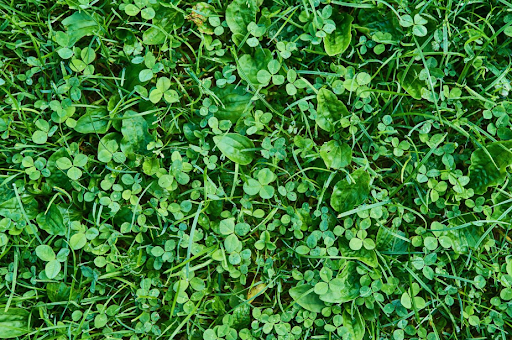
A clover lawn uses clover as some or most of the ground cover, either on its own or mixed with turfgrass. The pros of a clover lawn in Utah include lower nitrogen needs, spreading growth that can fill small gaps, and flowers that support pollinators. The cons include summer heat stress, winter dieback, lower tolerance for heavy foot traffic, and more complicated weed control.
Below are the pros and cons of a clover lawn in Utah and how these factors can affect its performance in Utah yards.
Key Takeaways
- Clover can reduce nitrogen fertilizer needs by getting usable nitrogen with help from bacteria on its roots.
- White clover spreads through creeping stems, which can help cover small gaps in thin turf.
- Microclover has smaller leaves, fewer flowers, and a finer appearance than standard white clover.
- Hot, dry summer conditions can thin clover because white clover has shallow roots and grows best around 50–85°F.
- Clover does not tolerate repeated heavy foot traffic as well as many turfgrasses and may also lose visible growth during winter.
What Is a Clover Lawn?
A clover lawn uses clover as some or most of the ground cover, either alone or mixed with turfgrass.
Common lawn types include:
- White clover: Grows low and spreads through creeping stems that form new roots.
- Microclover: Has smaller leaves, fewer flowers, and a finer look.
- Pure clover lawn: Clover makes up nearly all visible ground cover.
- Mixed lawn: Clover grows together with cool-season turfgrass.
Pros of Growing a Clover Lawn in Utah
Growing clover in a Utah lawn can reduce nitrogen needs, provide spreading ground cover, blend with some turfgrasses, and support pollinators.
Clover Can Reduce Fertilizer Needs
Nitrogen needs can be lower because bacteria associated with clover roots convert nitrogen from the air into a form the plant can use.
Under suitable conditions, white clover can fix about 100–150 pounds of nitrogen per acre each year.
The benefit develops over time:
- Clover uses part of the nitrogen for its own growth.
- Some nitrogen reaches nearby grass as clover leaves and roots break down.
- Phosphorus, potassium, moisture, and healthy roots still affect clover growth.
Clover Has a Naturally Low Growth Habit
Clover naturally grows low and spreads across the soil. Dutch white clover in Utah lawns commonly grows about 3–12 inches tall and can spread 1–2 feet across.
Its shape comes from:
- Creeping stems that stay close to the ground.
- New roots that form where those stems touch the soil.
- Leaves that spread outward across the surface.
- Microclover staying shorter and finer than standard white clover.
White clover may form visible patches as it spreads, while microclover usually has a more even appearance.
Clover Can Help Fill Thin Areas
Clover can spread into small openings where grass has become thin. Its creeping stems grow across the soil and form roots at several points.
This growth can fill:
- Small spaces between grass plants.
- Open areas within thin turf.
- Gaps next to an established clover patch.
Large bare areas can point to a different lawn problem. Heavy traffic, compacted soil, weak roots, or severe stress can prevent both grass and clover from forming strong cover.
Microclover Can Blend More Evenly With Turf
Smaller leaves, lower growth, and less obvious clumping can give microclover a more even appearance when mixed with turfgrass.
A microclover Utah lawn may have:
- A finer texture than Dutch white clover.
- Fewer visible flowers.
- Smaller clover patches.
- A more even mix with tall fescue or Kentucky bluegrass.
- Slower spread across the lawn.
Clover Flowers Support Pollinators
Clover flowers provide nectar and pollen for bees and other pollinating insects. White clover can flower from spring into fall. Flowering is often strongest from late spring into early summer.
Its pollinator value comes from:
- Many small flowers grouped into each round flower head.
- A long flowering period.
- Large numbers of blooms across established patches.
- Nectar and pollen available while the flowers remain open.
Cons of a Clover Lawn in Utah
Potential drawbacks of clover in Utah include summer heat stress, winter dieback, poor tolerance for heavy traffic, fewer weed-control options, bee activity, and challenges from alkaline soil.
Utah's Summer Heat Can Stress Clover
Clover lawn in summer heat can weaken when temperatures remain high and the soil becomes dry. White clover has shallow roots and grows best at about 50–85°F. Microclover also has poor tolerance for long periods of high heat and drought.
Long hot periods can cause:
- Slower leaf growth.
- Thinner cover in fast-drying soil.
- More stress beside pavement and other hot surfaces.
- Higher clover lawn water requirements during dry weather.
- Open areas in pure clover lawns.
Clover May Not Handle Heavy Foot Traffic
Repeated foot traffic can thin white clover more readily than many turfgrasses because it has relatively poor wear tolerance.
Wear is more likely around:
- Gates and narrow walking routes.
- Play areas with frequent running or turning.
- Paths used often by pets.
A clover grass seed mix lawn in Utah can provide stronger cover where people or pets regularly cross the same area.
Clover Can Go Dormant in Winter
Clover can lose much of its visible growth during a cold Utah winter. White clover leaves often die back when temperatures fall. New leaves can grow again from the base of the plant in spring. Microclover can show similar winter dieback.
A clover lawn in winter in Utah may show:
- Brown or missing leaves.
- Thinner ground cover.
- More visible soil in large clover patches.
- Less even winter color than dense cool-season turf.
Weed Control Becomes More Complicated
Keeping clover in a lawn limits some broadleaf weed-control options because clover itself is a broadleaf plant.
This changes professional treatment decisions:
- The provider needs to know whether the clover is wanted.
- The weed must be identified correctly.
- Grass-only lawns and clover lawns may require different treatment plans.
- Keeping clover can reduce the number of suitable broadleaf weed-control options.
Microclover May Need Periodic Re-Establishment
Microclover density can decline over time as individual plants weaken or surrounding turfgrass becomes more competitive.
Density can fall when:
- Surrounding turfgrass becomes more competitive.
- Individual clover plants lose strength over time.
- The amount of microclover within the mixed lawn gradually drops.
Clover Flowers Can Attract Bees
Clover blooms provide nectar and pollen. As a result, bees may become more noticeable in flowering clover.
Bee activity matters most around:
- Barefoot play areas.
- Outdoor seating spaces.
- Regular pet routes.
- Homes where someone has a serious sting allergy.
High-pH Utah Soils Can Complicate Clover Nutrition
High-pH Utah soil can make some nutrients harder for clover to use. Utah soils average about pH 8.0, while white clover generally performs best around pH 6–7.
High soil pH can affect:
- Iron and other small but important nutrients.
- Leaf color and plant strength.
- The balance of nutrients around the roots.
Clover Lawn vs. Grass Lawn in Utah
The best clover for Utah lawns depends on whether you value lower nitrogen needs and pollinator support or stronger wear tolerance and easier weed control. Clover and traditional cool-season turf also respond differently to Utah's summer heat and winter conditions.
Get Professional Help Evaluating Clover in Your Utah Lawn
Professional evaluation is useful when clover is already mixed into turf or when a homeowner is deciding whether preserving clover fits the lawn goal. Stewart's Lawn has served Utah homeowners since 1972 and provides professional fertilization, weed control, and grub control through its lawn care program.
An evaluation can determine:
- whether clover is an intentional part of the lawn or mainly appearing in thin turf;
- whether existing weed pressure conflicts with the desired grass-clover composition;
- whether soil conditions, traffic, seasonal thinning, or turf competition are limiting clover persistence.
Request professional lawn care from Stewart's Lawn today.
Frequently Asked Questions
Is clover a good lawn choice for Utah?
Clover can work well in some Utah yards, particularly where lower nitrogen needs and pollinator value are priorities. Summer heat, heavy traffic, winter dieback, and weed-control needs can make it less suitable for other lawns.
Can clover survive Utah's hot summers?
Yes, established clover can generally survive Utah summers, though prolonged heat and dry soil can cause the cover to thin. White clover grows best around 50–85°F and has shallow roots, making exposed, fast-drying areas more vulnerable to summer stress.
What type of clover is best for a Utah lawn?
For a Utah lawn, the best type of clover is generally white clover or microclover, depending on the desired appearance. White clover spreads more readily and produces more flowers, while microclover has smaller leaves, fewer flowers, and a finer appearance.
Can Stewart's provide lawn care for a lawn with clover?
Yes, but the lawn care approach depends on whether the clover is intentionally being kept or is considered an unwanted weed. Stewart’s can evaluate the lawn and provide professional fertilization, weed control, and grub control.