.svg)

Bare Spots in Lawn: Common Causes, How to Repair Them, and Prevent Them from Returning
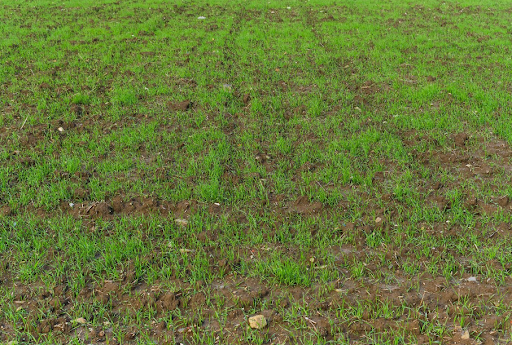
Bare spots in a lawn form when grass roots, crowns, or seedlings cannot survive in one area. Utah heat may make cool-season grass dormant, but severe stress can kill it. Persistent or recurring patches often point to compaction, root damage, insects, disease, shade, drainage, or watering problems.
Key Takeaways
- Brown grass is not always a bare spot. Grass may recover if its crown and roots are still alive; turf with dead crowns or missing roots requires re-establishment.
- A bare spot that returns in the same location usually points to an unresolved problem, such as compaction, poor water coverage, drainage, shade, insects, disease, or shallow soil.
- Adding seed or sod without correcting the original cause often leads to another failed repair.
- The amount of healthy grass remaining helps determine the repair method. A lawn with at least 50% desirable turf may qualify for overseeding, while greater turf loss may require broader renovation.
- Late summer to early fall is generally the best repair period for Utah’s cool-season lawns because warm soil supports germination, and seedlings have fall and spring to establish before summer stress.
What Are Bare Spots in a Lawn?
Bare spots in a lawn are areas where grass has died or failed to grow, leaving the soil exposed. They are different from thin areas, where some grass is still growing, and dormant areas, where the grass is brown but its roots and crowns remain alive.
When 30% to 50% of the lawn is bare or severely thin, renovating a larger area may be more effective than repairing individual patches. A soft or spongy surface may indicate more than three-quarters of an inch of thatch. Excessive thatch can prevent seed from touching the soil, slow water movement, and encourage shallow root growth.
What Causes Bare Spots in a Lawn?
Some of the most common causes of bare spots in a lawn are compacted soil, uneven moisture, heavy traffic, and root damage.
How Do Professionals Repair a Patchy Lawn in 8 Steps?
Professionals repair a patchy lawn by diagnosing why the grass failed, deciding how much turf can recover, and selecting a repair that suits the site.
- Map the damage. The pattern, location, slope, sunlight, traffic, and timing help narrow the possible causes.
- Check turf survival. Crown and root condition shows whether the existing grass can recover or requires replacement.
- Assess the root zone. Soil depth, compaction, drainage, thatch, moisture, and buried debris reveal conditions that may cause another failure.
- Confirm the cause. Insects, disease, irrigation problems, and environmental stress are separated through plant inspection, insect identification, and laboratory testing when needed.
- Set the repair scale. Lawns with about 50% desirable grass may qualify for overseeding. Areas with greater turf loss may require reseeding or sod.
- Plan site corrections. The repair may include professional aeration, drainage correction, irrigation adjustment, pest management, or changes for shade and traffic.
- Select suitable turf. Seed or sod is matched to the soil, sunlight, moisture, maintenance level, and existing lawn.
- Monitor establishment. Professionals track germination, rooting, density, moisture, and recurring damage before returning the area to normal use.
When Is the Best Time to Repair Bare Spots?
Late summer to early fall is the best time to repair bare spots in Utah cool-season lawns. Warm soil speeds germination, cooler air reduces stress, and weed pressure is lower.
Early Fall
Early fall is the primary repair period for cool-season lawns in northern Utah. August and September provide warm soil and cooler air. Seedlings need four to six weeks before the expected first frost. They then gain fall and spring growth before summer heat.
Spring
Spring is the secondary repair period for Utah cool-season lawns. April and May may provide suitable conditions, but cool soil can delay germination, weeds compete strongly, and summer leaves less rooting time.
Summer Considerations
Summer is a higher-risk repair period for cool-season lawns because the soil surface can dry before germination finishes. June and July are especially difficult. Buffalograss and blue grama follow a different schedule and establish best in spring or early summer.
Winter Limitations
Winter is not an active establishment period because frozen soil stops sod rooting and delays seed growth. Late-winter overseeding may remain dormant until spring, depending on exposed soil, moisture, and freeze-thaw conditions.
How Long Does It Take for Bare Spots to Fill In?
Bare spots may show germination within one to three weeks, but full coverage and traffic tolerance take longer.
- Weeks 1–3: Perennial ryegrass emerges first, followed by fine fescues, tall fescue, and slower Kentucky bluegrass. Fine fescues germinate within 5–12 days under favorable conditions.
- Weeks 4–8: Seedlings form crowns, roots, and shoots. The patch thickens but remains vulnerable to drying and traffic.
- Following months: Rhizomatous grasses spread into gaps, while bunch-forming grasses have limited sideways growth. Large patches, poor conditions, or recurring stress may extend recovery beyond one season.
How Can You Prevent Bare Spots from Returning?
You can prevent bare spots from returning by correcting the original cause before restoring the surface.
- Aerate compacted areas where restricted roots limit growth.
- Redirect repeated foot traffic.
- Improve sprinkler coverage and correct dry or saturated areas.
- Match grass to sunlight, soil, moisture, and traffic.
- Apply balanced fertilization and weed control.
- Include grub control when insects present a confirmed risk.
- Recheck recurring spots during scheduled visits.
- Restore thinning turf before weeds occupy exposed soil.
How Does Stewart’s Lawn Service Restore Bare Spots?
Stewart's Lawn Service has helped Utah homeowners build healthier lawns since 1972 by identifying and addressing the conditions behind recurring bare spots.
Our Lawn Care Program includes:
- Six scheduled visits with fertilization, weed control, and grub control.
- Aeration Service to improve rooting in compacted soil.
- Lawn evaluations during scheduled visits to guide the right care.
Schedule a lawn evaluation with Stewart's and restore bare spots by addressing the cause, not just the exposed soil.
Frequently Asked Questions
Will Grass Spread to Fill Bare Spots Naturally?
Grass can spread naturally into small bare spots, but it depends on the grass species and whether the site is healthy. Kentucky bluegrass sends underground stems sideways and produces new shoots, so it can slowly close small gaps. Tall fescue and perennial ryegrass grow mainly as separate clumps and spread very little, so larger bare areas usually require new seed or sod.
Can Dead Grass Grow Back?
Dead grass cannot grow back when its roots and crown are dead. However, brown grass may only be dormant. If the crown at the base of the plant remains alive, it can produce new roots and leaves when moisture and temperatures improve.
What Is the Fastest Way to Repair Bare Spots?
The fastest way to cover bare spots is to correct the cause and install matching sod. Sod provides immediate coverage, but it still needs time to grow roots into the soil. Seed takes longer to produce dense, durable grass.
Can I Just Throw Grass Seed on Bare Soil?
No, you cannot simply throw grass seed on bare soil and expect reliable growth. Seed must remain in contact with moist soil, and problems such as compaction, thatch, insects, disease, or poor drainage must be corrected before seedlings can survive.
Why Do Bare Spots Keep Coming Back?
Bare spots keep coming back because the condition that killed or weakened the original grass is still present. Recurring causes include compacted soil, poor sprinkler coverage, drainage problems, heavy shade, buried debris, insects, and crown or root disease.
How Often Should Newly Seeded Areas Be Watered?
Newly seeded areas should be watered often enough to keep the soil surface consistently moist but not saturated. There is no fixed schedule because heat, wind, soil type, slope, and rainfall change how quickly the surface dries. Watering can become less frequent after seedlings develop deeper roots.
When Is the Best Month to Repair Bare Patches?
August and September are generally the best months to repair bare patches in northern Utah’s cool-season lawns. Warm soil supports germination, while cooler air and lower weed pressure give seedlings more time to establish. April and May provide a secondary repair window.