.svg)

Necrotic Ring Spot in Utah Lawns
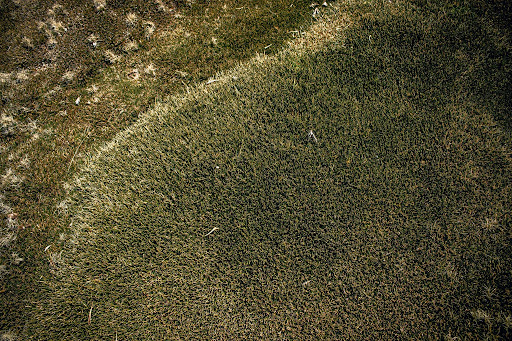
Necrotic ring spot is a root and crown disease that primarily affects Kentucky bluegrass in Utah. It can begin as small, light-green patches and develop into distinctive rings or arcs of brown or straw-colored turf as the disease progresses.
The pattern can become more obvious when infected turf faces Utah's summer heat and drought stress. Because similar symptoms can come from other lawn diseases or turf problems, recognizing the signs early is key to accurate lawn disease identification in Utah.
Key Takeaways
- Necrotic ring spot is a fungal disease that attacks turf roots and crowns, primarily affecting Kentucky bluegrass.
- Small light-green patches can develop into brown rings, arcs, or larger dead areas, especially when heat or drought stresses the lawn.
- Utah's cool, wet spring and fall conditions favor disease development, while summer heat can make existing root damage more visible.
- Compacted soil, drought stress, and poor turf health can increase disease severity.
- Professional lawn disease management can help identify necrotic ring spot and distinguish it from other Utah turf diseases with similar symptoms.
What is Necrotic Ring Spot?
Necrotic ring spot is a fungal disease caused by Ophiosphaerella korrae that infects the roots, crowns, and lower stems of turfgrass. Kentucky bluegrass is the primary host, making necrotic ring spot an important Kentucky bluegrass disease in Utah. Annual bluegrass and some other cool-season grasses can also be affected.
The disease damages the root system, reducing the turf's ability to absorb water and nutrients. As infected plants become increasingly stressed, sections of the lawn can thin, turn brown, or die.
Necrotic ring spot is not simply a surface-level lawn fungus. The pathogen primarily affects the plant below the soil surface, which is why symptoms can become more severe when environmental stress increases.
How to Identify Necrotic Ring Spot Before It Spreads
The clearest sign of necrotic ring spot is a ring or arc of dying grass surrounding a healthier green center. These ring-shaped patches in the lawn may begin as small, pale areas and gradually expand as the disease affects more roots.
Look for these specific signs:
- Frog-eye pattern: Straw-colored or brown rings form around green, living grass in the center, creating the dead rings in lawn Utah homeowners often notice during summer stress.
- Expanding rings: Small patches can enlarge over multiple seasons and eventually merge with nearby affected areas.
- Changing color: Early damage may appear light green or yellow before the affected turf turns bronze, brown, or straw-colored.
- Weak or damaged turf: Grass around the ring may become thin and weakened as the disease affects the roots and crowns.
- Recurring patches: Rings that return in the same areas from season to season can indicate persistent disease activity.
- Kentucky bluegrass: The pattern is especially important to recognize in Kentucky bluegrass, which is highly susceptible to necrotic ring spots.
Why Does Necrotic Ring Spot Develop in Utah Lawns?
Necrotic ring spot develops when the soil-borne fungus Ophiosphaerella korrae infects the roots and crowns of susceptible cool-season grasses, especially Kentucky bluegrass. Cool, wet spring and fall conditions favor infection, while Utah’s summer heat and drought stress make the resulting root damage more visible.
Compacted soil can increase disease severity by restricting root growth and adding stress to already damaged plants. The disease can also be more severe in sod-established turf, with symptoms sometimes appearing several years after establishment.
Seasonal Activity Calendar for Necrotic Ring Spot in Utah
How to Prevent Necrotic Ring Spot from Returning to Your Utah Lawn
Preventing necrotic ring spot starts with reducing the conditions that stress turf and favor disease development. Proper soil conditions, moisture management, and healthy root growth are key to reducing recurring symptoms.
Focus on these prevention practices:
- Water deeply and less frequently: Avoid frequent shallow watering that keeps the soil surface consistently moist. Adjust watering based on weather and lawn conditions.
- Improve soil conditions: Core aeration can relieve compaction and improve air and water movement around grass roots.
- Maintain healthy turf growth: Properly timed fertilization supports stronger turf without excessive growth that can increase stress.
- Control excessive thatch: Thick thatch can retain moisture near the soil surface and create conditions favorable to disease.
- Reduce summer stress: Healthy root systems are better able to withstand Utah's heat and drought conditions, which can make necrotic ring spot symptoms more severe.
- Address recurring rings early: Repeated ring-shaped patches should be evaluated to confirm necrotic ring spot and distinguish it from other Utah lawn fungus problems.
Restore Your Utah Lawn with Professional Disease Care from Stewart's Lawn
Stewart's has served Utah homeowners since 1972, providing professional lawn care built around Utah's soil, climate, and turf conditions. Its services include professional care for lawn diseases, Grub Control, Weed Control, fertilization, and aeration.
For lawns affected by necrotic ring spot, Stewart's can provide:
- Fertilization to support healthy turf growth and recovery.
- Grub Control to address insects that can also cause thinning or dead turf.
- Aeration Service to relieve soil compaction and improve root-zone conditions.
- Scheduled lawn evaluations to identify recurring disease symptoms and other factors affecting turf health.
Seeing recurring rings or dead patches in your Utah lawn? Contact Stewart's for a professional evaluation and determine the appropriate disease care service for your lawn.
FAQs
Why does necrotic ring spot appear every spring in Utah?
Necrotic ring spot can reappear in spring because cool, moist conditions favor disease activity.
Which grass types in Utah are most susceptible to necrotic ring spot?
Kentucky bluegrass is the grass most commonly affected by necrotic ring spot. Annual bluegrass and some other cool-season grasses can also be susceptible.
Can watering more fix necrotic ring spot?
No. More water does not cure necrotic ring spot. The disease damages roots and can make turf more vulnerable to heat and drought stress.
Is necrotic ring spot the same as fairy ring?
No. Necrotic ring spot and fairy ring are different turf diseases. Necrotic ring spot is caused by Ophiosphaerella korrae and primarily damages turf roots and crowns, while fairy ring is a separate group of fungal diseases with different symptoms and causes.
Can necrotic ring spot spread to other areas of my lawn?
Yes. Necrotic ring spot can develop multiple infection centers that enlarge and eventually merge.
Is necrotic ring spot a common lawn fungus in Utah?
Yes. Necrotic ring spot is a significant turf disease in Utah and is frequently diagnosed in Kentucky bluegrass.