.svg)

Why Weeds Keep Returning to Utah Lawns
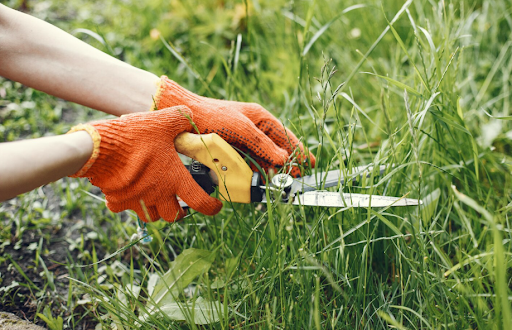
Weeds keep returning to Utah lawns when dormant seeds grow later, perennial weeds survive underground, or thin grass leaves room for new weeds. Hot, dry summers can weaken cool-season grass, while compacted or clay-rich soil can slow air and water movement around the roots.
Utah’s alkaline soils can also make some nutrients harder for grass to use. As soil temperature and moisture change through the year, new weeds can appear even after earlier weeds were controlled.
Key Takeaways
- Recurring weeds can come from dormant seed, surviving roots or rhizomes, later germination, or new seed entering the lawn.
- Common residential pre-emergent treatments can provide about 30–120 days of control, so weeds may appear after that period.
- Crabgrass approaches germination at 50–55°F soil temperature, while annual bluegrass can germinate below 70°F.
- Field bindweed can develop a 2- to 10-foot taproot, spread through lateral roots, and leave seed viable for up to 50 years.
- Compaction, poor drainage, alkaline soil, heat, and drought can weaken turf and make it easier for weeds to establish.
6 Mistakes That Cause Weeds to Return Every Year
The six mistakes that cause weeds to return every year are treating every weed alike, focusing only on visible plants, missing the right treatment window, overlooking perennial roots, ignoring weak turf conditions, and expecting an established weed population to disappear in one season.
1. Treating Every Weed as the Same Problem
Treating every weed as the same problem allows weeds with different life cycles to keep returning. Annual weeds mainly return from seed, while perennial weeds can survive from year to year through roots and rhizomes, which are underground stems. For instance:
- Crabgrass: A warm-season annual that begins germinating as soil reaches 50–55°F and dies near the first hard fall frost.
- Annual bluegrass: A winter annual or short-lived perennial that can germinate below 70°F in late summer, fall, or early spring.
- Field bindweed: A perennial that can return from seed, roots, and rhizomes.
2. Focusing Only on the Weeds That Are Already Visible
Focusing only on visible weeds misses seeds that have not started growing yet. Pre-emergent treatment targets susceptible weeds as seeds germinate, while post-emergent treatment targets weeds that are already growing.
Later weeds may come from:
- Later germination: Dormant seeds can begin growing when soil temperature, moisture, and light become favorable.
- A limited prevention period: Common residential pre-emergent treatments provide about 30–120 days of control.
- Several generations: Spotted spurge germinates at about 60–100°F, can produce 2–3 generations in one growing season, and can mature seed within about five weeks.
- Different seasonal weeds: A weed appearing in summer or fall may have a completely different germination cycle from the weeds present in spring.
3. Missing the Biological Treatment Window
Missing the right treatment window allows weeds to germinate or reach a growth stage that needs a different professional approach. Soil temperature and the weed’s growth stage can be more useful than a fixed calendar date. One treatment period cannot cover every weed that appears during the year. For instance:
- Crabgrass: Germination pressure begins around 50–55°F soil temperature.
- Spotted spurge: Germinates at roughly 60–100°F, with peak germination during warmer summer conditions.
- Annual bluegrass: Can germinate below about 70°F as soils cool.
- Field bindweed: Seedlings can appear from early spring through late fall, while established plants stay alive underground.
4. Overlooking Perennial Root Systems
Overlooking perennial root systems allows weeds such as field bindweed to return after the visible growth is gone. Perennial weeds store energy underground and use it to produce new shoots.
Field bindweed has a 2- to 10-foot taproot, or main root, along with many lateral roots. Buds on these roots can form new shoots and crowns. Its seed can also remain viable for up to 50 years.
Repeated growth in the same area can point to an established underground root system. Small seedlings appearing elsewhere may be new plants growing from seed.
5. Ignoring the Conditions That Are Weakening the Turf
Ignoring the conditions that are weakening the turf leaves more light, moisture, and space for weeds. Dense grass covers more soil and gives new weed seedlings fewer places to establish. Knotweed commonly appears in compacted areas, while black medic is often linked with dry, thin, or compacted turf.
Common local conditions include:
- Compacted or clay-rich soil: Compaction reduces the small air spaces in soil. Soil with more than about 30% clay can also slow water movement and limit the air reaching roots.
- Alkaline soil: Utah soils average about pH 8.0. High pH can make some nutrients less available to plants.
- Poor water distribution: Shallow watering can encourage shallow roots, while saturated soil can reduce oxygen around the roots.
- Summer stress: Long periods of heat and drought can thin cool-season grass and leave more room for warm-season weeds.
6. Expecting One Season to Eliminate an Established Weed Population
Expecting one season to eliminate an established weed population overlooks how long weed seeds and perennial roots can remain active.
Several factors can keep the cycle going:
- A dormant seed can germinate later when conditions become suitable.
- Staggered germination can produce several rounds of seedlings during one season.
- Perennial roots can send up new growth year after year.
- New seed can enter from surrounding areas or be added by weeds that reach maturity.
How Can You Tell Why Weeds Returned?
You can tell why weeds returned by comparing their location, size, species, and timing.
Utah’s Seasonal Weed Pressure Calendar
Utah’s seasonal weed pressure changes with soil temperature, moisture, elevation, and weed life cycle, so biological conditions are more useful than fixed dates.
Break the Cycle of Recurring Weeds with Stewart’s Lawn
Stewart’s Lawn Care has served Utah homeowners since 1972. Our professional lawn care focuses on recurring weeds throughout the growing season, with treatments timed around local weed growth and lawn conditions.
The Lawn Care Program includes:
- Professionally timed weed control for common broadleaf and grassy weeds
- Fertilization to support thicker, healthier turf
- Grub control to protect turf roots
- On-site evaluation of recurring weed patterns during scheduled visits
- Aeration Service where soil compaction is limiting healthy turf growth
Contact Stewart’s today to schedule professional lawn care and address the conditions that allow weeds to keep returning.
FAQs
When should I consider professional weed control for recurring weeds?
You should consider professional weed control when the same patches return, different weed species appear throughout the year, weeds keep spreading, or earlier control is short-lived. These patterns can point to surviving roots, new germination, missed treatment timing, or weak turf and soil conditions.
Can healthy grass naturally reduce recurring weeds?
Yes. Healthy, dense grass can reduce recurring weeds by covering the soil and limiting the light and space available to new seedlings. Dense turf cannot remove dormant seed already in the soil or eliminate established perennial roots.
Why do new weeds appear after spring rains?
New weeds can appear after spring rains when added moisture and suitable soil temperatures allow dormant seeds to germinate. Spring prevention also has a limited control period. Common residential pre-emergent treatments generally provide about 30–120 days of control.
What does it mean if different weeds appear each season?
Different weeds appearing each season usually means several weed life cycles are active. Crabgrass responds to warming spring soil, spotted spurge grows during warmer conditions, annual bluegrass can germinate below 70°F, and field bindweed can return from underground roots.
Why do weeds spread faster in thin or patchy lawns?
Weeds spread faster in thin or patchy lawns since seedlings get more light, moisture, and space to grow. Heat, drought, compaction, poor drainage, alkaline soil, and other root problems can thin the grass, so weeds returning in the same weak area may also point to a deeper lawn problem.