.svg)

Why Is My Grass Not Growing? Common Causes and How to Restore a Healthy Lawn
Key Takeaways:
- Grass not growing is almost always caused by something specific: compaction, nutrient deficiency, incorrect watering, pest damage, or disease, not general lawn decline.
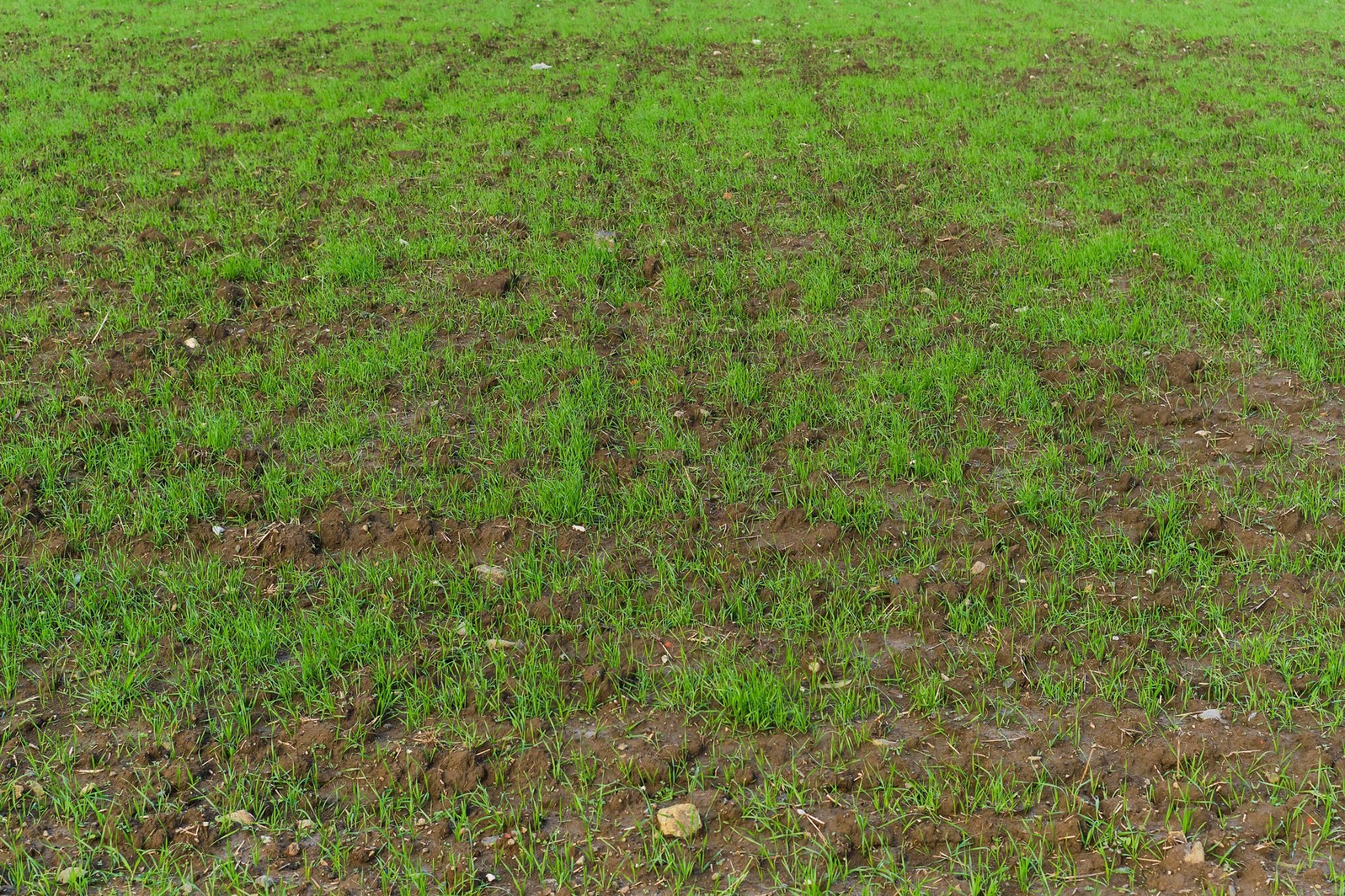
- Grass not growing in patches points to a localized cause like grub activity, fungal disease, or compacted soil in high-traffic areas.
- Watering issues can contribute to poor growth, but identifying the underlying cause is essential before treatment begins.
- A professional program identifies the actual cause and coordinates aeration, fertilization, Grub Control, and overseeding as part of one plan.
- Fall is an ideal recovery window for cool-season grasses in Utah, when moderate temperatures and active root growth support recovery.
Grass not growing is almost always caused by one of five things: compacted soil, nutrient deficiency, inadequate water, pest or disease damage, or a grass variety mismatched to the site. Each one prevents growth differently, and the right fix depends on which cause is actually at work on your property.
Other factors can also affect lawn growth, including shade, weather, drainage, and seasonal stress. Identifying the underlying issue first helps determine the right solution and prevents the problem from continuing.
Signs Your Grass Has a Growth Problem
Grass growing slowly or not at all shows up in recognizable patterns before it becomes a bare lawn. Watch for:
- Patches where grass won't grow despite consistent watering and care
- Sections that stay brown or straw-colored while surrounding areas green up
- Turf that feels spongy or lifts easily from the soil in affected areas
- Grass growing in some places but not others with no obvious explanation
- A lawn that looks thinner and less dense than it did in previous seasons
- Slow recovery after foot traffic, summer heat, or seasonal transitions
These patterns point toward specific causes rather than general lawn decline, and identifying the right one is what makes the fix work.
What's Preventing Your Grass from Growing?
Grass stops growing because one or more conditions are preventing healthy root or shoot development. Identifying the underlying cause is the first step toward choosing the right treatment.
Soil Compaction
Heavy clay soils compress under foot traffic and seasonal freeze-thaw cycles, reducing the pore space roots need for oxygen, water, and nutrient movement. Grass growing in compacted soil develops shallow roots, becomes weaker over time, and may eventually stop growing in the most affected areas.
Nutrient Deficiency
Without enough nutrients, especially nitrogen, grass produces fewer new shoots and growth gradually slows. In Utah, alkaline soils can also reduce the availability of iron and other micronutrients, causing grass to struggle even when fertilization is done. A professional evaluation or soil test can determine whether nutrient deficiency is limiting growth.
Inadequate or Incorrect Watering
Both underwatering and overwatering can limit grass growth. Most Utah lawns need about 1 to 1.5 inches of water per week during the growing season, typically applied 2 to 3 times per week depending on weather, soil type, and lawn conditions. Too little water causes drought stress, while excessive watering reduces oxygen around the roots and encourages shallow root development. Watering problems can produce symptoms similar to nutrient deficiency or disease, making professional evaluation important when the cause is unclear.
Insufficient Sunlight
Most cool-season grasses need around 4 to 6 hours of direct sunlight each day to maintain healthy growth, although some shade-tolerant varieties can perform with less. Lawns under dense tree canopies or beside buildings may become thin, weak, or stop growing because they do not receive enough light. In shaded areas, selecting a shade-tolerant grass variety or adjusting lawn care practices can improve long-term performance.
Grub Damage
Grubs feed on grass roots below the surface, reducing the lawn's ability to absorb water and nutrients. Growth often slows before visible damage appears. As root damage worsens, affected turf may turn brown, feel spongy, or lift easily from the soil. Other pests, such as chinch bugs and billbugs, can also cause localized brown patches, making proper identification important before treatment.
Lawn Disease
Diseases such as necrotic ring spot, dollar spot, and summer patch can stop grass from growing in distinct patches or rings that gradually expand without treatment. These symptoms are often mistaken for watering or fertilization problems, delaying the correct treatment.
Incorrect Grass Type or Seeding Time
Grass that is planted outside the recommended seeding season or varieties that are poorly suited to local growing conditions may establish slowly or fail to grow well. In Utah, cool-season grasses establish most successfully when seeded from late summer to early fall, when temperatures support active root development.
Dormancy vs. Dead Grass
Not every lawn that stops growing has a problem. Cool-season grasses naturally slow or enter dormancy during extreme summer heat and throughout winter. Dormant grass does not require corrective treatment; it resumes growth when growing conditions improve.
How to Fix Grass That Isn't Growing
Professional Fertilization: Supplies the nutrients needed to restore healthy growth when nutrient deficiency is limiting the lawn.
Core Aeration: Relieves soil compaction by removing soil plugs, improving air, water, and nutrient movement to the roots.
Overseeding: Restores thin or bare areas using an appropriate cool-season grass blend. In Utah, late summer to early fall is generally the best time to overseed.
Grub Control: Eliminates root-feeding grubs before reseeding or recovery begins, preventing further damage.
Disease Treatment: Lawn diseases require treatment matched to the specific disease. A professional evaluation helps identify the cause and recommend the appropriate solution.
Grass Growth Timeline: When To Expect Results?
Results vary depending on how long the growth problem has been present, the current condition of the soil, and the time of year treatment begins. Fall is the fastest recovery window for cool-season grasses; moderate temperatures and active root growth accelerate improvement across every treatment type.
Restore a Healthy, Green Lawn With Stewart's Professional Lawn Care
Locally owned and operating in Utah since 1972, Stewart's Lawn Care & Pest Control helps Utah homeowners address the causes behind poor grass growth. Our professional programs are built around the specific causes of grass not growing across Utah's Wasatch Front: alkaline soils, clay compaction, summer heat stress, and cool-season grass growth cycles across Salt Lake, Utah, and Davis counties.
Our Lawn Care Program includes:
- Custom fertilization blend adjusted by a degreed horticulturist
- Season-long weed control and crabgrass prevention
- Preventive grub control and curative spot treatments
- Professional lawn aeration
Contact Stewart's today to schedule a professional evaluation and find out exactly what's stopping your grass from growing.
FAQs
Why is my grass not growing even though I water it?
Watering alone doesn't guarantee growth if compaction, nutrient deficiency, disease, or pest damage is the actual cause. Utah's alkaline soils can also lock out key nutrients even with regular irrigation, producing a lawn not growing situation that won't respond to more water. A professional evaluation identifies the real cause before treatment is applied.
Can compacted soil stop grass from growing?
Yes. Compacted soil restricts the oxygen, water, and nutrient movement that roots depend on to establish and spread. Grass growing in heavily compacted areas eventually stops producing new growth because roots can't access what they need. Core aeration directly addresses this by restoring the soil structure roots need to grow.
Why is my grass growing in some places but not others?
Uneven growth usually points to a localized cause: compaction in high-traffic areas, shade under tree canopy, grub damage in specific sections, or inconsistent soil conditions across the property. Identifying the pattern of where grass won't grow helps narrow down which cause is responsible.
Does fertilizer help grass grow faster?
Yes, when it is applied at the right time and the lawn is deficient in nutrients. Professional fertilization provides the nutrients needed for healthy shoot and root growth, so lawns often begin growing more vigorously within one to three weeks during the active growing season. Applying fertilizer during extreme summer heat or before the lawn has resumed active growth is generally less effective and may place additional stress on the turf.
How long does it take for grass to grow back?
New grass from overseeding typically germinates within 7 to 21 days, with full density developing over one to two growing seasons. Lawns recovering from compaction or nutrient deficiency show improvement within two to four weeks of treatment, with continued improvement through the following season.
Why is my grass barely growing?
Grass growing slowly rather than stopping entirely is often an early sign of nutrient deficiency, moderate compaction, or a lawn entering heat stress. It's the same underlying causes as a fully stopped lawn, just at an earlier stage, which means addressing it sooner produces faster results than waiting until growth stops completely.