.svg)

Types of Cockroaches in Utah
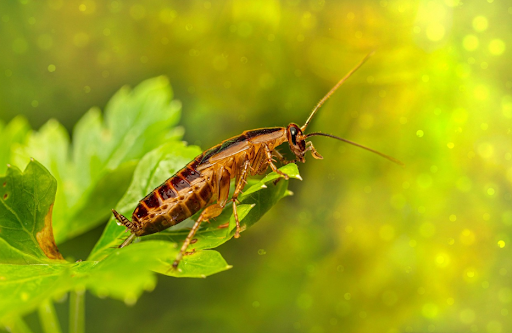
The main types of cockroaches in Utah are German, American, Oriental, and brown-banded cockroaches. They differ in size, color, preferred temperature, moisture needs, hiding areas, and breeding speed.
German cockroaches favor warm indoor areas; American and Oriental cockroaches are closely linked with moisture, while brown-banded cockroaches often occupy warmer, drier spaces higher inside a home. These differences can help narrow down the species behind repeated sightings. Here are the common types of cockroaches found in Utah and how to identify them.
Key Takeaways
- Utah’s common structure-infesting cockroaches are German, American, Oriental, and brown-banded cockroaches.
- German cockroaches are about 1/2 to 5/8 inch long, favor warm and humid indoor areas, and can produce 30 to 50 eggs per egg case.
- American cockroaches can reach 2 inches long and commonly occur around drains, sewer systems, basements, and warm lower-level areas.
- Oriental cockroaches are dark brown to black, prefer cool and damp spaces, and can take about 300 to 800 days to develop from egg to adult.
- Brown-banded cockroaches are about 1/2 inch long and are more likely to appear in dry, elevated areas such as furniture, shelves, wall décor, and electronics.
What Types of Cockroaches Are Common in Utah?
The cockroaches commonly found in Utah structures are German, American, Oriental, and brown-banded cockroaches. A flattened body, long antennae, six spiny legs, and a head partly hidden when viewed from above are common features. Young cockroaches, called nymphs, resemble smaller wingless adults.
Cockroaches develop through three life stages: egg, nymph, and adult. Depending on the species, one egg case can contain 16 to 50 eggs, which makes the species and life stage important when assessing an infestation.
German Cockroach
The German cockroach (Blattella germanica) is the primary kitchen-infesting cockroach in Utah and has the highest reproductive potential among the common household cockroaches.
Appearance
Adults are light brown or tan, about 1/2 to 5/8 inch long, with two dark parallel stripes directly behind the head. Nymphs are smaller and darker, usually with a lighter stripe running along the back.
Habits
German cockroaches live almost entirely indoors and favor warm, humid conditions, especially where food and water are nearby. Temperatures around 70°F to 75°F are particularly favorable.
Their rapid breeding cycle includes:
- Females produce about 30 to 50 eggs per egg case.
- Adult females can live about 200 days and produce six to eight egg cases.
- Nymphs can reach adulthood in roughly 40 to 125 days under suitable indoor conditions.
Where it hides
German cockroaches stay close to food, warmth, and moisture. Common hiding areas include:
- Gaps around sinks and plumbing
- Cracks in cabinets and spaces under drawers
- Areas around kitchen appliances and furnaces
Seasonal Activity
German cockroaches can remain active throughout the year inside heated buildings. Stable indoor warmth and humidity can support their entire life cycle even when outside temperatures are low.
Homeowner Concern
Adults, nymphs, and egg cases appearing in the same kitchen or bathroom area can point to active indoor breeding. Daytime sightings can also be important, since cockroaches usually hide during daylight and become more active at night.
American Cockroach
The American cockroach (Periplaneta americana) is the largest cockroach commonly found in Utah and is strongly associated with warm, moist areas near the lower parts of buildings.
Appearance
Adults are reddish-brown with a lighter yellow or tan border around the area behind the head. Large adults can reach up to 2 inches long, and their wings extend over the abdomen.
Habits
American cockroaches favor very warm, moist environments and are commonly associated with lower levels of buildings, drains, and sewer systems. Temperatures above 82°F fit their preferred conditions.
Their life cycle typically includes:
- Females produce about nine to ten egg cases.
- Each egg case produces about 14 young, with eggs hatching in roughly 45 days.
- Nymphs can take around 215 to 400 days to mature.
- Adult females may live about 440 days.
Where it hides
Their size and moisture needs make several locations especially characteristic:
- Basements and ground-level areas
- Sewer drains and drain lines
- Warm utility spaces, furnace areas, and spaces beneath sinks
Seasonal Activity
Movement into structures can increase during hot weather or flooding. Protected drain systems and warm indoor areas can support activity beyond periods when outdoor conditions are favorable.
Homeowner Concern
A large reddish-brown cockroach near a drain or lower-level utility area fits the American cockroach pattern more closely than a cluster of small roaches around kitchen cabinets. Sewer and drain lines can also provide movement routes through structures.
Oriental Cockroach
The Oriental cockroach (Blatta orientalis) is a dark, relatively slow-moving cockroach strongly linked with cool, damp locations. It is also commonly called a water bug.
Appearance
Adults are dark brown to nearly black and about 1 to 1 1/4 inches long. Males have developed wings that remain shorter than the body, while females have very short wings.
Habits
Oriental cockroaches prefer cool, damp, dark environments and generally tolerate lower temperatures better than many other household cockroaches. Conditions below about 84°F are more suitable for this species.
Their slower development includes:
- Females deposit about eight egg cases during their lifetime.
- Each egg case contains roughly 16 eggs.
- Development from egg to adult can take about 300 to 800 days.
Where it hides
Moisture provides one of the clearest clues for this species. Common locations include:
- Floor drains, sewer areas, and spaces around plumbing
- Basements, cellars, and crawl spaces
- Damp locations under sinks and near lower floors
Seasonal Activity
Oriental cockroach infestations in Utah are commonly seen from spring through fall. The species can tolerate colder outdoor conditions, while changes in rainfall, temperature, and outdoor moisture can affect movement around structures.
Homeowner Concern
Repeated dark cockroaches near floor drains or damp lower areas fit the Oriental cockroach pattern. Their 300-to-800-day development period also means several life stages may remain in protected locations for a long time.
Brown-Banded Cockroach
The brown-banded cockroach (Supella longipalpa) is a small indoor cockroach that favors warmer, drier, and often higher locations than the other common Utah species.
Appearance
Adults are about 1/2 inch long. Both sexes show pale horizontal bands across the body. Adult males are narrower and lighter, while adult females have broader, darker bodies.
Habits
Brown-banded cockroaches favor warm, dry indoor areas and can live farther from water than German, American, or Oriental cockroaches. Temperatures above 80°F are particularly favorable.
Their development and breeding pattern includes:
- Eggs can take about 70 days to hatch.
- Nymphs can take about 160 days to reach adulthood.
- Females commonly attach egg cases to furniture, appliances, walls, ceilings, and other protected surfaces.
Where it hides
Location is especially useful for distinguishing brown-banded cockroaches. They may occur well above floor level in:
- Picture frames, clocks, and wall décor
- Furniture, books, closets, and shelves
- Warm electrical or electronic equipment
Seasonal Activity
Brown-banded cockroaches can remain active year-round inside warm buildings. Their preference for drier spaces means activity may appear in bedrooms, offices, or living areas far from typical kitchen and bathroom hiding sites.
Homeowner Concern
Small cockroaches repeatedly found in dry rooms or elevated locations fit the brown-banded pattern. Their egg cases may also be attached away from food-preparation areas, which can make the main source of activity less obvious.
Cockroach activity also has an indoor health concern. Proteins in cockroach feces, saliva, cast skins, and body parts can cause allergic reactions or trigger asthma symptoms in sensitive people.
Get Professional Cockroach Control for Your Utah Home With Stewart’s
Professional cockroach control can help identify the cockroach species, locate areas of activity, and determine the appropriate treatment for the infestation. Stewart’s has served Utah homeowners since 1972 and provides professional Home Pest Control for cockroaches and other common household pests.
For recurring cockroach activity, professional roach control can identify the species, likely hiding areas, life stages present, and overall infestation pattern before the appropriate service is planned. Stewart’s can also provide professional support for broader lawn, landscape, tree, shrub, and household pest concerns.
Homeowners can contact Stewart’s for:
- Lawn care programs
- Home pest control services
- Tree and shrub care
Request professional care from Stewart’s Lawn today.
FAQs
What is the most common type of cockroach in Utah?
The German cockroach is the most common cockroach found inside Utah homes. It is small, light brown, reproduces quickly, and commonly infests warm areas such as kitchens and bathrooms. American, Oriental, and brown-banded cockroaches can also occur in and around Utah homes.
Are German cockroaches common in Utah homes?
Yes. German cockroaches frequently infest warm indoor areas, particularly kitchens and bathrooms. Females can produce 30 to 50 eggs per case, so repeated sightings of adults, nymphs, or egg cases can indicate an established breeding population.
Where do cockroaches hide during the day?
Dark, protected spaces near food, moisture, or suitable shelter are common daytime hiding places for cockroaches. German cockroaches often shelter in kitchens, American and Oriental cockroaches favor damp lower areas, while brown-banded cockroaches may hide in furniture, wall décor, books, and electronics.
Can cockroaches come through drains?
Yes. American and Oriental cockroaches can enter or appear around drains because these species are associated with sewers, floor drains, and other damp areas. Repeated sightings near drains can also provide an important clue when identifying the cockroach species involved.
When should I call a professional for cockroach control?
You should call a professional for roach control at your home when sightings repeat, nymphs or egg cases appear, several rooms are involved, or roaches keep appearing near drains. These signs can point to active breeding or a concealed infestation inside the home.