.svg)

Signs of Rodent Infestation in Utah
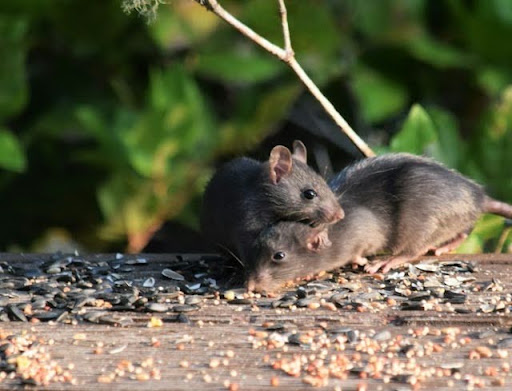
The most common signs of rodent infestation in Utah are dark, rice-sized droppings, scratching inside walls or ceilings after dark, and fresh chew marks on food boxes, insulation, or wiring. You may also notice shredded nesting material in quiet corners of your garage, attic, or pantry.
Most of these clues appear in fall, once cold nights push mice and rats indoors in search of warmth and an easy meal. The sooner you catch a rodent problem in your home, the better, because Utah health officials link rodent droppings to hantavirus, a rare but serious illness that can be life-threatening.
Key Takeaways
- Droppings, chew marks, and nighttime noises are the top signs of rodent infestation in Utah, most often in fall.
- Grease smears, nests, odors, and yard burrows usually appear before you see a rodent.
- Start with the garage, attic, foundation, and flowerbeds, where rodents nest out of sight.
- Stewart's Utah rodent control finds nests, seals entry points, and protects your home through scheduled visits.
Signs of a Rodent Infestation Around Your Utah Home
The major signs of rodent infestation in Utah usually show up in small, easy-to-miss clues around your home long before you ever see a mouse or rat. If you know what to look for beforehand, you can act before a minor problem grows into a full Utah rat infestation or mouse infestation.
Rodent Droppings Around the Yard or Home
Droppings are often the first thing you'll notice when rodents in Utah homes become active. You'll usually find them near baseboards, in pantries, or around woodpiles in the yard.
How to Identify Rodent Droppings
- Mouse Droppings: These look like small grains of rice and are often scattered along walls, a sign of a Utah mouse infestation.
- Rat Droppings: These are larger, about the size of a bean, and usually sit in small piles, which points to a Utah rat infestation.
- Freshness: Shiny, dark droppings mean rodents are still active, while dry, gray ones are older.
Small Holes, Burrows or Tunnels in the Yard
Holes in your yard are easy to overlook, but they are often early signs of rodent infestation in Utah, especially near spots with food and cover.
What to Look For
- Rat Burrows: Round holes about 2 to 4 inches wide with loose dirt around them often point to a Utah rat infestation.
- Foundation Holes: Burrows beside your foundation can reach up to 4 feet deep, giving rats a path into your home.
- Surface Runways: Narrow trails worn through the grass, often visible after snow melts, show where voles travel.
Gnaw Marks on Plants, Wood, Plastic or Wiring
A rat's front teeth grow about 5 inches a year, so rodents chew constantly to keep them short. That chewing leaves clear marks around your home and yard.
What Gnaw Marks Tell You
- Fresh Marks: Light-colored, rough edges mean chewing happened recently and point to active rodents in Utah homes.
- Wood and Plastic: Small, paired tooth grooves on trim, storage bins, or pipes are common signs of a Utah mouse infestation or rat activity.
- Plants and Shrubs: Chewed bark near the base of trees and shrubs, often hidden under winter snow, shows mice or voles are feeding in your yard.
- Wiring: Chewed wire coating in walls or garages creates a real fire risk, making it one of the most serious signs of rodent infestation in Utah.
Nesting Materials in Hidden Areas
Mice build nests from shredded paper, fabric, insulation, and plant matter, usually shaped into a loose ball about 4 to 6 inches wide. Since mice rarely travel more than 10 to 25 feet from their nest, finding this material means the source is close by.
Common Nesting Spots
- Attics and Wall Voids: Quiet, insulated spaces let rodents in Utah homes nest and breed without being disturbed.
- Behind Appliances: The steady warmth behind refrigerators and stoves draws mice, especially during cold Utah winters.
- Garages and Vehicles: Deer mice often nest in stored boxes and car engine compartments, a common starting point for a Utah mouse infestation.
- Basements and Crawl Spaces: Dark, low areas near the foundation often hold nests tied to a Utah rat infestation.
Greasy Smear Marks or Rodent Runways
Rodents rarely stray from familiar paths. Every trip transfers oil and dirt from their fur onto nearby surfaces, and those deposits build into dark tracks along your walls and baseboards.
What Are Grease Marks and Runways?
- Sebum Buildup: Oils and dirt from rodent fur rub onto surfaces, leaving reliable signs of rodent infestation in Utah.
- Travel Runways: Rodents in Utah homes stay close to walls and repeat the same routes every night.
- Fresh vs. Old: Fresh marks smear on contact, but older ones turn dry, dusty, and flaky.
- Heavier Streaks: Thick, dark smears usually point to a Utah rat infestation, since rats leave heavier deposits.
Scratching, Scurrying or Squeaking at Night
Rodents stay most active after dark, so quiet nights expose activity that daylight hides. Repeated sounds from the same wall or ceiling are early signs of rodent infestation in Utah.
Common Nighttime Rodent Sounds
- Scratching: Rapid scraping inside walls or ceilings means rodents are moving or nesting.
- Scurrying: Soft, quick footsteps suggest a mouse infestation, but heavier thumps mean a rat infestation.
- Squeaking: High-pitched chirps signal rodents communicating in hidden spaces.
Damaged Lawn, Plants, or Garden Areas
Rodent problems often start outdoors. Voles, mice, and rats leave clear signs of rodent infestation in Utah yards as they dig, chew, and nest.
Common Signs
- Surface Runways: Thin, winding paths of dead grass often show up after the snow melts, left behind by voles.
- Chewed Roots: When plants wilt and pull out with little effort, rodents have likely eaten the roots underground.
- Gnawed Bark: Bark stripped away near the base of trees and shrubs usually means rodents fed there over winter.
Unusual Musky or Urine-Like Odors
A sharp, musky smell with no clear source often points to rodents. It builds slowly, making it an easy sign of rodent infestation in Utah to miss.
What the Odor Tells You
- Ammonia Scent: Rodent urine breaks down into ammonia, and the smell sharpens as the population grows.
- Musky Odor: Urine drops and fur oils along travel routes leave a stale odor typical of a Utah mouse infestation.
- Hidden Hotspots: The smell collects in attics, crawl spaces, wall voids, and behind appliances where rodents in Utah homes nest.
Seeing a Live or Dead Rodent
Rodents stay hidden by day, so spotting one, alive or dead, is the most direct sign of rodent infestation in Utah.
What a Sighting Means
- Daytime Activity: A rodent out in daylight often signals a crowded nest or scarce food.
- Fast Breeding: Mice breed quickly, so one sighting often means a larger Utah mouse infestation.
- Dead Rodents: A carcass or decay smell in walls suggests more rodents nearby.
Where Utah Homeowners Should Look for Rodent Signs
Rodents in Utah homes rarely show themselves, so the evidence they leave behind matters most. As temperatures drop, house mice and Norway rats, the two rodents most likely to invade Utah homes, move indoors and settle into quiet, low-traffic spaces where they can travel and nest unseen.
High-Priority Areas to Check
- Lawn: Small holes and patches of disturbed soil in your lawn are often the first outdoor clue. Droppings in the grass confirm rodents are feeding close to your home.
- Flowerbeds: Norway rats dig into soft bed soil, so fresh burrows here can signal a Utah rat infestation. Look for nesting material and damaged plants nearby.
- Foundation: Mice squeeze through gaps just over 1/4 inch wide. Greasy rub marks and droppings along the base show where rodents in Utah homes are getting inside.
- Garage: A Utah mouse infestation often starts here, with droppings in corners, gnawed boxes, and shredded nesting material.
- Shed: Rodents treat quiet sheds as shelter. Nests behind stored items and holes in the walls or floor mean they have moved in.
- Attic: If you hear scratching after dark, paired with droppings or damaged insulation, it is one of the strongest signs of rodent infestation in Utah homes.
- Around Trees: Gnawed bark or exposed roots, holes near the trunk, and loosened soil point to rodents burrowing beneath your trees.
How Stewart's Can Help With Rodent Problems in Utah
Once you notice these signs, fast professional help keeps a few mice from turning into a full infestation. Stewart's, a locally owned Utah company, offers premium Utah rodent control that stops the problem at its source and keeps your home protected through the colder months.
What Stewart's Brings to Your Home
- Nest Location: Technicians find where mice are nesting, so treatment targets the source of a Utah mouse infestation.
- Entry Point Sealing: Gaps around pipes, vents, and foundations are sealed to keep new rodents in Utah homes from slipping inside.
- Professional Treatments: Targeted, family-safe treatments clear active mice and Norway rats behind a Utah rat infestation.
- Home Pest Control Program: Four scheduled visits a year extend protection to house mice, Norway rats, and Utah's other common household pests.
- Local Expertise: Stewart's Utah-based technicians know how local rodents behave as the seasons change and plan each visit around it.
Rodent signs rarely mean a single mouse, and the problem grows fast. Stewart's Pest Control has protected Utah homes since 1972, with local technicians who stop rodents at the source. Schedule your visit today for a cleaner, safer home.
FAQs
What are the first signs of a rodent infestation?
Most Utah homeowners spot droppings first, usually in the pantry or under the sink. After that come chewed food boxes, scratching in the walls at night, or a musty smell, and any one of them is a strong sign of a rodent infestation.
How do I know if the holes in my yard are from rodents?
Rat burrows in a yard are usually about 2 to 4 inches across, with smooth edges and a small pile of loose dirt nearby. If you're finding holes like that near your foundation, it's worth having a professional come out and take a look.
Does Stewart's provide rodent control in Utah?
Yes, Stewart's Home Pest Control program covers house mice and Norway rats, so technicians can find the nests, seal up entry points, and treat the problem for rodent control in Utah homes.
How quickly can a rodent infestation grow?
A rodent infestation can grow faster than most people expect. A single female mouse can give birth to dozens of babies in a year, and those babies start having their own young within a few months. That's why it's best to call a professional as soon as you notice the signs of a rodent infestation in Utah.