.svg)

How to Get Rid of Mosquitoes in the Backyard
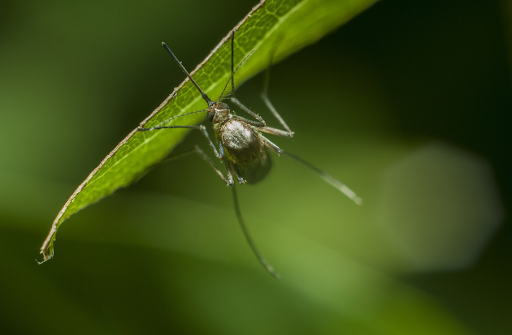
To get rid of mosquitoes in a backyard, you need to address where mosquitoes develop, where adults spend time, and where new mosquitoes may be entering the property. Standing water can support mosquito eggs, larvae, and pupae, while dense vegetation, shaded structures, fence lines, and other protected areas can provide resting sites for adults. Mosquito activity may also continue when nearby ponds, drainage systems, ditches, or other water sources produce adults that move into the yard.
Understanding how to get rid of mosquitoes in yard areas therefore starts with identifying the source and the mosquito stage involved. This helps determine whether control needs to focus on developing mosquitoes, active adults, outside mosquito pressure, or several of these at the same time.
Key Takeaways
- Backyard mosquito problems can come from developing mosquitoes, resting adults, or mosquitoes entering from nearby areas, so finding the main source is the first step.
- Mosquito development can occur in surprisingly small water sources, including low spots, containers, gutters, pool-cover pockets, and tree cavities.
- Grass itself is not a mosquito breeding site. Water collected in low or poorly drained turf can support larvae and pupae.
- Adult mosquitoes commonly concentrate in shaded, humid, low-airflow locations, including dense foliage, fence lines, decks, porches, and protected landscape edges.
- Backyard mosquito control can target immature mosquitoes before they become adults and concentrate adult treatment on surfaces where mosquito activity is highest.
Why Are Mosquitoes Attracted to Your Backyard?
Your backyard attracts mosquitoes when it offers water for early life stages, shaded resting areas, moisture, and nearby people or animals.
Several backyard conditions support mosquito activity:
- Standing Water and Breeding Sites: Every mosquito passes through four stages: egg, larva, pupa, and adult. The first three depend on water. The full cycle often takes about two weeks, but favorable conditions can shorten it to about 4 days, while slower development can extend it to roughly 1 month.
- Puddles and low spots: Shallow depressions, drainage areas, and low turf can hold enough water for larvae and pupae.
- Containers and yard items: Buckets, toys, plant saucers, tires, pool covers, gutters, and even bottle-cap-sized spaces can hold mosquito-producing water. Eggs from some types can survive dry conditions for several months.
- Shade and Shelter: Tall grass and weeds, dense shrubs, and leaf litter reduce sun and airflow, creating cooler, humid resting areas.
- What Draws Them to You: Carbon dioxide, body heat and sweat, skin odor, humidity, and visual cues help females locate people.
How to Eliminate Mosquitoes in the Backyard?
For mosquito control in the backyard, you should find the source of the activity and use the right control method for the mosquito stage present. A complete service may address developing mosquitoes, active adults, or mosquitoes repeatedly entering from nearby areas.
Find the Source of the Mosquito Activity
The first step is to determine where mosquitoes are coming from and which areas are contributing most to the problem.
The property assessment looks for:
- Water sources that contain mosquito larvae or pupae
- Areas where adult mosquito activity is concentrated
- Patterns showing whether activity is limited to one part of the yard or spread across the property
- Larger nearby sources, such as drainage systems, ponds, ditches, or other water-holding areas
Stop Mosquitoes Before They Become Adults
When larvae or pupae are found, treatment focuses on stopping them before they develop into biting adults.
The control approach depends on the type and size of the water source. Small mosquito-producing areas on the property can be addressed during service. On the other hand, larger drainage systems or public water sources may require help from a local mosquito-control program.
Targeting the water stage has an important advantage: larvae and pupae remain concentrated in one location. Reducing them at this stage can lower the number of adults that later spread through the yard.
Treat Areas With High Adult Mosquito Activity
Adult mosquito control focuses on the locations where mosquitoes are repeatedly found rather than treating every part of the yard equally.
Treatment may concentrate on:
- Inner shrub and hedge foliage
- Lower and underside leaf surfaces
- Areas beneath decks, porches, and eaves
- Shaded fence lines and landscape edges
- Other protected surfaces with clear mosquito activity
Some treatments act quickly against adult mosquitoes. Residual applications can remain on treated surfaces after drying, so mosquitoes are exposed when they later land or rest there.
Address Mosquitoes Coming From Nearby Areas
Mosquitoes entering from outside the property require a different approach from mosquitoes developing within the yard.
When nearby ponds, drainage areas, ditches, wetlands, or neighboring land continue supplying mosquitoes, treatment focuses on the parts of the property where incoming adults are most active.
Large off-property sources may fall outside residential pest service. In those cases, local mosquito-control programs can investigate public mosquito breeding areas and use larger-scale control methods when necessary.
Adjust Control When Mosquitoes Return
Mosquito activity that returns after treatment provides useful information about what is still contributing to the problem.
The next assessment checks for:
- New mosquito development in water
- Adult activity returning to previously treated areas
- Increased mosquito movement from nearby sources
- Areas where the earlier treatment produced less control than expected
Where Do Mosquitoes Hide in a Backyard?
Adult mosquitoes usually rest in shaded, humid places with limited direct sunlight and airflow. These resting zones can be separate from the water where immature mosquitoes develop.
Dense shrubs and groundcover
Dense shrubs and groundcovers create protected pockets where adult mosquitoes can rest.
- Shade and Humidity: Inner leaves stay cooler and hold moisture longer.
- Wind Protection: Thick growth reduces airflow around resting mosquitoes.
- Proximity to Hosts: Shrubs near patios, doors, and seating areas place resting mosquitoes close to people.
- Trapped Moisture: Groundcover and damp organic material can keep humidity higher near the soil.
Tall grass and vegetation
Tall grass and vegetation mainly act as adult resting habitat when they remain shaded and humid. Grass does not support breeding unless water collects within or beside it.
- Shade and Cool Air: Thick plant growth reduces sun exposure near ground level.
- The Underside of Leaves: Adults often rest on protected lower leaf surfaces.
- Standing Water Sources: Mosquitoes rising from vegetation suggest resting activity, while larvae in pooled water confirm breeding activity.
Under decks and outdoor structures
Spaces beneath outdoor structures can shelter mosquitoes from sun, heat, and wind and may also hide small water sources.
- Under Structures: Decks, porches, stairs, patio furniture, and eaves create protected resting surfaces.
- Tarps and Covers: Folds can hold shade and small pockets of water.
- Toy and Lawn Equipment: Undersides of stored outdoor items can stay cooler than exposed areas.
- Drain Pipes: Corrugated or poorly draining sections may retain water.
- Low-Lying Areas & Objects: Depressions around structures can combine shade with standing water.
Shaded areas around fences
Fence lines can become concentrated resting zones when shade and narrow spaces reduce airflow.
- Shaded fence lines: Solid fencing can keep nearby ground cooler for longer.
- Shady Corners: Fence ends and side-yard gaps often receive less sun.
- Wood and leaf piles: Damp organic material can create humid cover.
- Around storage sheds: Narrow gaps can stay shaded through much of the day.
Damp areas that stay protected from sunlight and wind
Damp protected areas become more important when moisture turns into standing water. Humid surfaces support resting adults; pooled water can support eggs, larvae, and pupae.
- Low and Damp Zones: Depressions can remain wet after surrounding areas dry.
- Tree Cavities: Small holes that hold rainwater can support development. Tree holes are recognized as water-holding mosquito habitats.
- Dark Corners and Clutter: Sheltered areas can remain cooler and more humid.
- Dense Vegetation: Moist plant interiors can hold adults near water sources.
- Landscape & Foliage: Connected shaded areas can create a larger resting zone.
Professional Mosquito Control for Your Backyard From Stewart's
Stewart's provides professional mosquito control for Utah backyards with recurring mosquito activity. Stewart's has served Utah homeowners since 1972, with mosquito control included among its pest services.
Service can focus on areas where mosquito activity is concentrated, including:
- Shaded shrubs and dense vegetation
- Areas around decks, fences, and outdoor structures
- Recurring mosquito activity across the yard
- Mosquito pressure coming from nearby areas
Contact Stewart's Lawn to schedule professional mosquito control for your backyard.
FAQs
What is the fastest way to get rid of mosquitoes in a backyard?
The fastest way to get rid of backyard mosquitoes involves targeting active adult mosquitoes in the areas where they are concentrated. Longer-lasting control also requires finding water where mosquitoes are developing and checking whether new adults are repeatedly entering the backyard from nearby areas.
Where do mosquitoes hide during the day?
During the day, mosquitoes commonly hide in cool, shaded, humid areas with limited airflow. Dense shrubs, undersides of leaves, fence lines, decks, porches, sheds, and other protected outdoor spaces can provide suitable resting conditions.
Does Stewart's offer mosquito control for backyards?
Yes, Stewart's Lawn provides mosquito control for Utah backyards with recurring mosquito activity. Service focuses on shaded vegetation, decks, fences, outdoor structures, and other areas where mosquito activity is concentrated around residential properties.
Can mosquitoes breed in grass?
No, grass itself is not a mosquito breeding site, since their immature stages require water to develop. Low areas within turf can still become breeding locations when water collects and remains long enough to support mosquito larvae and pupae.