.svg)

Dollar Spot Disease in Utah Lawns
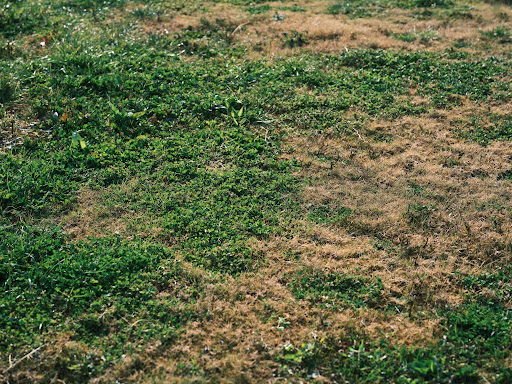
Dollar Spot is a fungal lawn disease that causes small, round tan or brown patches in grass. It appears less often in Utah than diseases like necrotic ring spot, but Dollar Spot fungus in Utah can still develop when warm temperatures, moisture on grass blades, and turf stress create favorable conditions.
Key Takeaways
- Dollar Spot is a fungal disease that affects grass blades, causing small, round tan or straw-colored patches roughly 2–6 inches across.
- It develops when warm days, cool nights, and prolonged leaf wetness occur together, conditions Utah's semi-arid climate can produce during summer.
- Low nitrogen and turf stress make grass more vulnerable, since slow-growing turf recovers more slowly from infection.
- Dollar Spot can resemble other Utah turf diseases, so accurate identification matters before choosing a treatment approach.
- Professional evaluation helps confirm the cause and determine the right lawn care response for recurring or spreading patches.
What Is Dollar Spot Disease?
Dollar Spot is a fungal disease caused by Clarireedia jacksonii. It primarily affects grass blades and appears as small, circular patches of damaged turf. This Dollar spot grass disease is more likely to affect cool-season turf when warm temperatures and prolonged leaf moisture create favorable conditions.
On residential lawns, affected spots can range from about 2 to 6 inches across. Individual spots may grow together when disease conditions continue, creating larger areas of damaged grass.
How to Identify Dollar Spot Disease in Utah Lawns
Dollar Spot commonly affects cool-season grasses such as Kentucky bluegrass and perennial ryegrass, particularly when warm days are followed by cool, dewy nights. Knowing the symptoms is important for Utah lawn disease identification, since Dollar Spot can look similar to other types of lawn fungus in Utah.
Signs to Look For:
- Small, circular patches: Spots are usually round and slightly sunken, with tan, straw-colored, or bleached grass.
- Patches that merge: Several small spots can grow together, creating larger, irregular areas of damaged turf.
- Tan leaf lesions: Individual grass blades may have light tan or bleached lesions with reddish-brown or dark borders.
- Hourglass-shaped lesions: On closer inspection, some lesions extend across the width of the grass blade in a narrow, hourglass-like shape.
- Upright damaged blades: Because Dollar Spot mainly affects the leaves, infected grass blades may remain upright instead of immediately flattening.
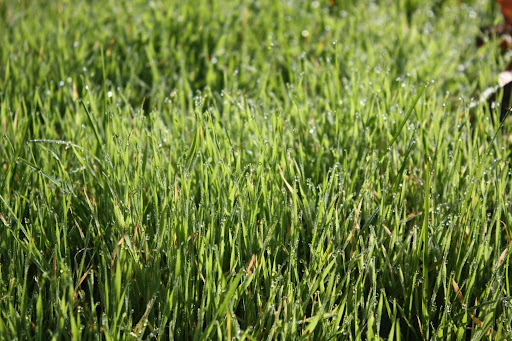
- White fungal threads: Check the lawn early in the morning while dew is still present. Fine, white, cobweb-like fungal growth may appear across affected grass blades and usually disappears as the lawn dries.
Why Dollar Spot Develops in Utah's Climate
Dollar Spot develops when warm temperatures, prolonged moisture on grass blades, and turf stress occur at the same time. Utah's semi-arid climate can create this combination, especially when warm days are followed by cool nights and morning dew.
- Warm Days and Cool Nights
Utah's summer temperatures can reach 80°F to 90°F during the day, while nighttime temperatures drop significantly. This temperature swing can create conditions that favor Dollar Spot, particularly when the grass remains wet overnight.
- Morning Dew and Prolonged Leaf Wetness
Cool nights can lead to heavy morning dew. When grass blades stay wet for several hours, the fungus has more opportunity to infect the turf. Irrigation can extend this period of leaf wetness, especially when watering is done late in the day.
- Dry Soil and Stressed Turf
Utah's dry air can cause soil moisture to drop quickly, putting grass under drought stress. At the same time, dew or irrigation may keep the grass blades wet. Dry roots combined with prolonged leaf wetness can create favorable conditions for Dollar Spot.
- Low Nitrogen
Lawns with inadequate nitrogen may be more vulnerable because slow-growing turf has less ability to recover from disease damage. Maintaining balanced nutrition can help the grass grow more actively and reduce disease pressure.
Areas of Your Lawn Most Likely to Develop Dollar Spot
Dollar Spot is more likely to appear where grass is stressed, nitrogen is low, and moisture remains on the leaves for long periods. In Utah lawns, certain areas can create these conditions more easily than others.
Pay particular attention to:
- Shaded areas with poor airflow: Grass near trees, fences, or dense shrubs may stay damp longer because dew and moisture take more time to dry.
- Low-nitrogen areas: Nutrient-deficient turf may grow slowly and have less ability to recover from minor infections.
- Compacted or dry soil: Compacted soil can restrict root growth and water movement, leaving grass stressed even when moisture remains on the surface.
- Areas watered late in the day: Evening or overnight irrigation can keep grass blades wet for extended periods, creating favorable conditions for fungal activity.
- Closely mowed areas: Grass cut too short has less leaf area and fewer reserves to handle heat, drought, and disease stress.
- Heavy-thatch areas: Excessive thatch can affect water movement and contribute to uneven turf moisture, increasing stress in affected areas.
What Happens If Dollar Spot Is Left Untreated?
A small Dollar Spot infection does not necessarily destroy an entire lawn. However, active disease can continue producing new patches, and individual spots can merge into larger areas of thin or damaged turf.
Repeated disease activity can also make the lawn look uneven and reduce turf density. The bigger concern is misdiagnosis. Brown patches can also result from drought stress, insects, or other fungal diseases. For example, Utah State University identifies necrotic ring spot and summer patch as important Utah turf diseases that can produce circular or damaged areas.
Identifying the actual cause before treatment helps avoid using the wrong lawn disease control approach.
Professional Dollar Spot Treatment for Utah Lawns
Professional Dollar Spot treatment starts with proper disease identification. A lawn specialist can evaluate the pattern of damage, grass type, moisture conditions, recent weather, and overall turf health before recommending treatment.
Professional disease control may include:
- Identifying the cause: Confirming whether Dollar Spot is responsible for the symptoms.
- Evaluating moisture: Checking irrigation and moisture conditions that may contribute to disease development.
- Checking nutrition: Assessing the lawn's nutritional condition, including factors that may increase disease susceptibility.
- Reducing turf stress: Addressing lawn conditions that can increase Dollar Spot severity.
- Targeted treatment: Recommending appropriate disease-control treatments when necessary.
- Tracking recovery: Checking affected areas for continued disease activity and turf recovery.
How Stewart's Lawn Helps Protect Utah Lawns from Dollar Spot
Stewart's Lawn Care has served Utah homeowners since 1972, providing lawn care services designed around local soil, climate, and turf conditions. Its lawn care program focuses on maintaining healthy turf and addressing factors that can contribute to lawn disease and stress.
Stewart's services may include:
- Fertilization: Customized fertilization helps maintain healthy nutrient levels and supports stronger turf growth.
- Grub Control: Grub protection helps prevent insect damage that can weaken turf and contribute to thinning or dead areas.
- Aeration Service: Aeration helps relieve soil compaction and improve conditions around the root zone.
- Lawn Evaluations: Scheduled evaluations help identify recurring disease symptoms and other factors affecting lawn health.
If you notice recurring tan patches or other signs of Dollar Spot in your Utah lawn, Stewart's can evaluate the lawn and recommend the appropriate disease control service.
FAQs
What does Dollar Spot disease look like in Utah lawns?
Dollar Spot appears as small, round tan, straw-colored, or brown patches, usually about 2–6 inches wide. Grass blades may also show tan lesions with reddish-brown borders, hourglass-shaped markings, or fine white fungal threads when the lawn is wet.
When is Dollar Spot most common in Utah?
Dollar Spot is most common during warm periods when grass remains wet from dew or irrigation. Temperatures around 60°F to 85°F, cool nights, and prolonged leaf moisture can create favorable conditions for the disease.
Can Dollar Spot spread across my entire lawn?
Yes. Small Dollar Spot patches can merge into larger areas of damaged turf when favorable conditions continue. The fungus can also spread through infected plant material, water, turf equipment, and shoes.
Which grass types in Utah are most susceptible to Dollar Spot?
Dollar Spot can affect Kentucky bluegrass, perennial ryegrass, fine fescues, and bentgrass. Susceptibility varies by grass type and cultivar, with Kentucky bluegrass being particularly relevant to Utah lawns.