.svg)

Common Utah Weeds: Types, Identification, and Professional Control
Key Takeaways
- Dandelion, white clover, and field bindweed are perennial broadleaf weeds with persistent taproots, creeping stems, or extensive underground growth.
- Crabgrass and spotted spurge are warm-season annuals that establish rapidly as soil temperatures rise.
- Dyer’s woad is a Class 2 noxious weed. Field bindweed, Scotch thistle, whitetop, and puncturevine are Class 3 noxious weeds.
- Leaf form, flowers, stems, seed structures, and root systems provide the strongest identification clues.
- Professional control works best when treatment timing corresponds with germination, rosette development, flowering, or seasonal movement of plant reserves.
The most common Utah weeds include dandelion, field bindweed, spotted spurge, crabgrass, white clover, Scotch thistle, Dyer’s woad, whitetop, and puncturevine. Some are common lawn weeds, while field bindweed, Scotch thistle, Dyer’s woad, whitetop, and puncturevine carry a state noxious-weed designation.
Common Utah Weeds and How to Identify Them
Many Utah weeds spread through deep roots, creeping stems, or large seed production, which allows infestations to expand rapidly across lawns. Here is how to identify weeds in Utah.
Dandelion
- Scientific name: Taraxacum officinale
- Weed type: Broadleaf
- Life cycle: Perennial
- Habitat: Lawns and planting beds, especially thin or open areas.
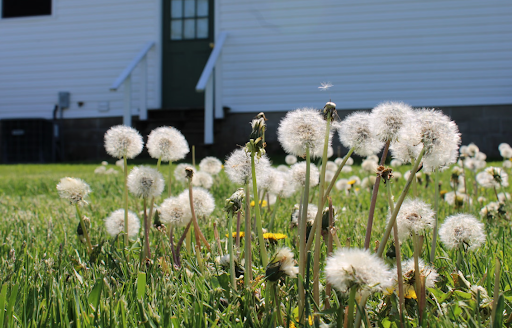
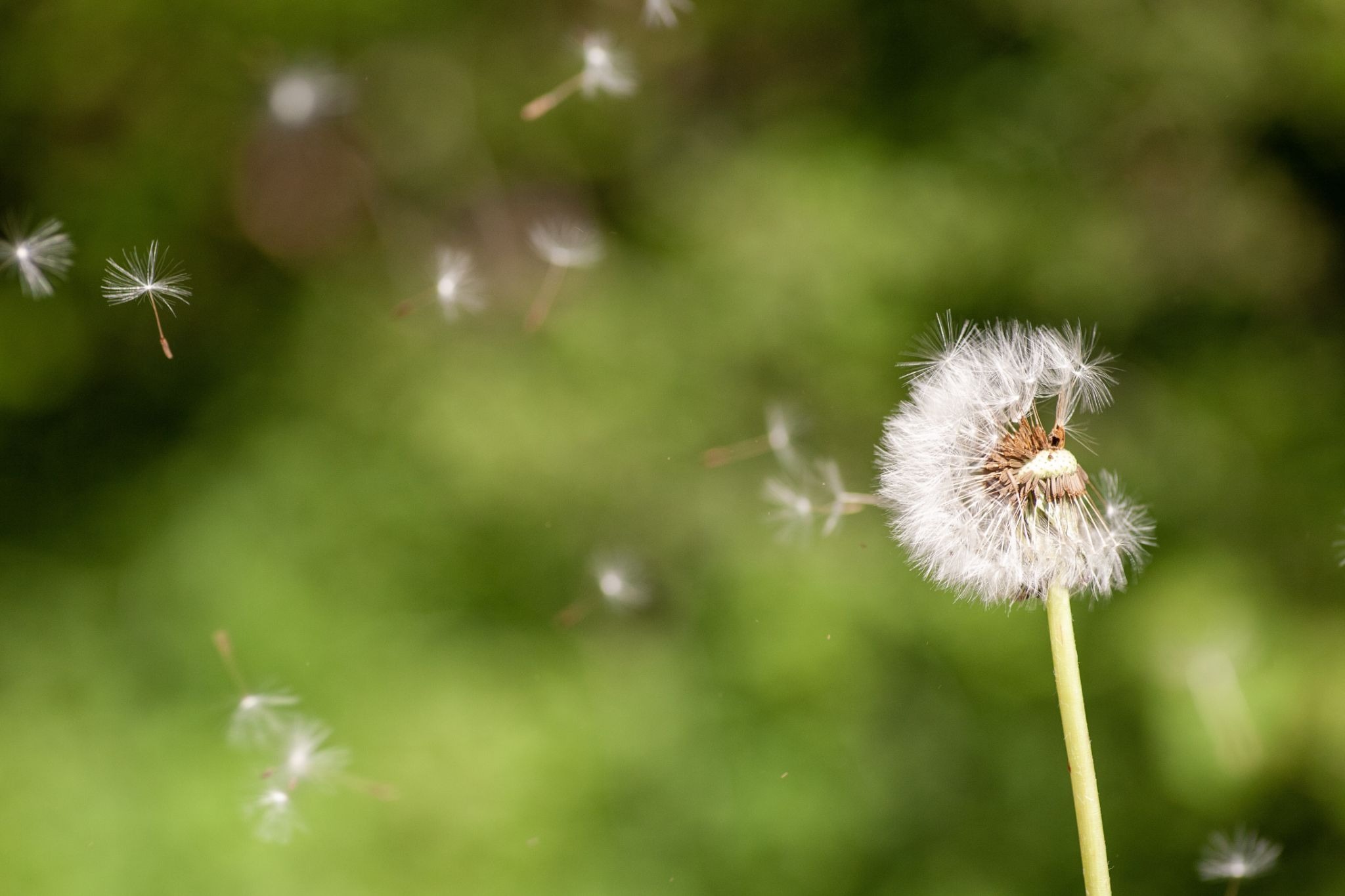
- How to identify: A basal rosette of deeply lobed, wavy leaves measuring 2–12 inches; hollow stalks; yellow flowers; and round white seed heads.
- Why it’s a problem: Its deep taproot supports repeated regrowth. Root sections as short as one inch produce new plants.
- How it spreads: Windborne seeds. Seed heads develop within two weeks of flowering, and the seeds are immediately viable.
- Best time to control: Spring before repeated flowering or fall as reserves move into the roots. Peak flowering occurs at 60–70°F.
- Best control methods: Professional post-emergent treatment that reaches the leaves and roots, followed by scheduled reassessment and turf-density improvement.
Field Bindweed
- Scientific name: Convolvulus arvensis
- Weed type: Broadleaf vine; Class 3 noxious weed
- Life cycle: Perennial
- Habitat: Lawn edges, roadsides, disturbed or former agricultural soil, and property boundaries.
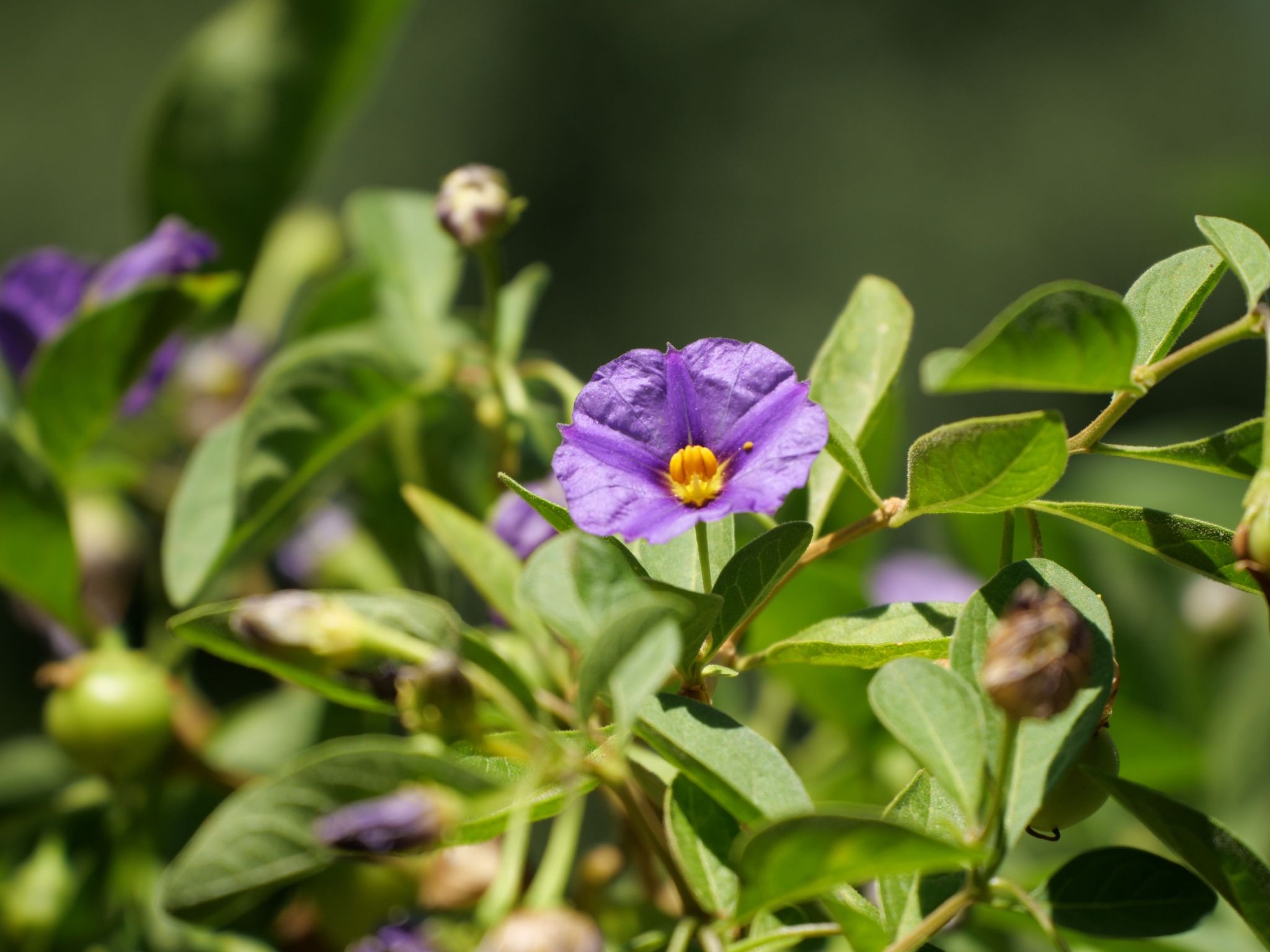
- How to identify: Trailing or twining stems, arrow-shaped leaves, and white or pale pink funnel-shaped flowers.
- Why it’s a problem: Taproots reach 2–10 feet. Lateral roots form rhizomes and new crowns, while the underground system can reduce available moisture in the upper 24 inches of soil.
- How it spreads: Seeds, lateral roots, rhizomes, and new crowns.
- Best time to control: Late spring through flowering and again during fall root translocation.
- Best control methods: Repeated professional post-emergent service during active growth, with follow-up across several growth cycles.
Spotted Spurge
- Scientific name: Euphorbia maculata
- Weed type: Broadleaf
- Life cycle: Warm-season annual
- Habitat: Thin turf, exposed soil, pavement joints, hot planting beds, and areas with little plant competition.
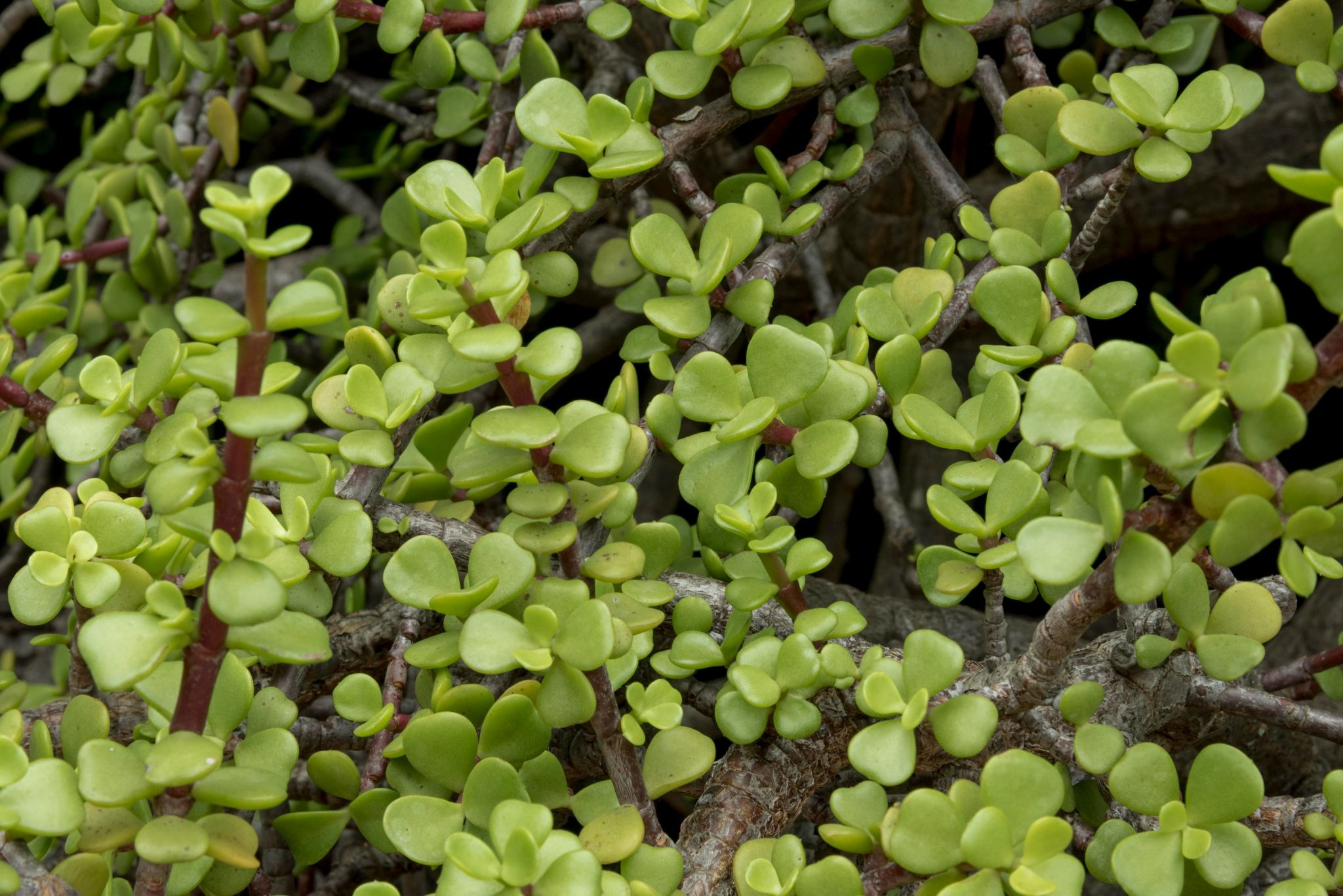
- How to identify: A flat mat of small opposite leaves, often with reddish central marks. Reddish, hairy stems release irritating milky sap when broken.
- Why it’s a problem: One plant can produce several thousand seeds, and its central taproot can exceed 24 inches.
- How it spreads: Seeds remain dormant until temperature, light, and moisture support germination.
- Best time to control: Before warm-season germination or soon after emergence. Germination peaks at 75–85°F but can occur from 60–100°F.
- Best control methods: Professionally timed pre-emergent service, followed by targeted post-emergent treatment before seed production accelerates.
Crabgrass
- Scientific name: Digitaria sanguinalis and related Digitaria species
- Weed type: Grass
- Life cycle: Warm-season annual
- Habitat: Thin lawn edges, exposed soil, compacted sites, and heat-stressed areas.
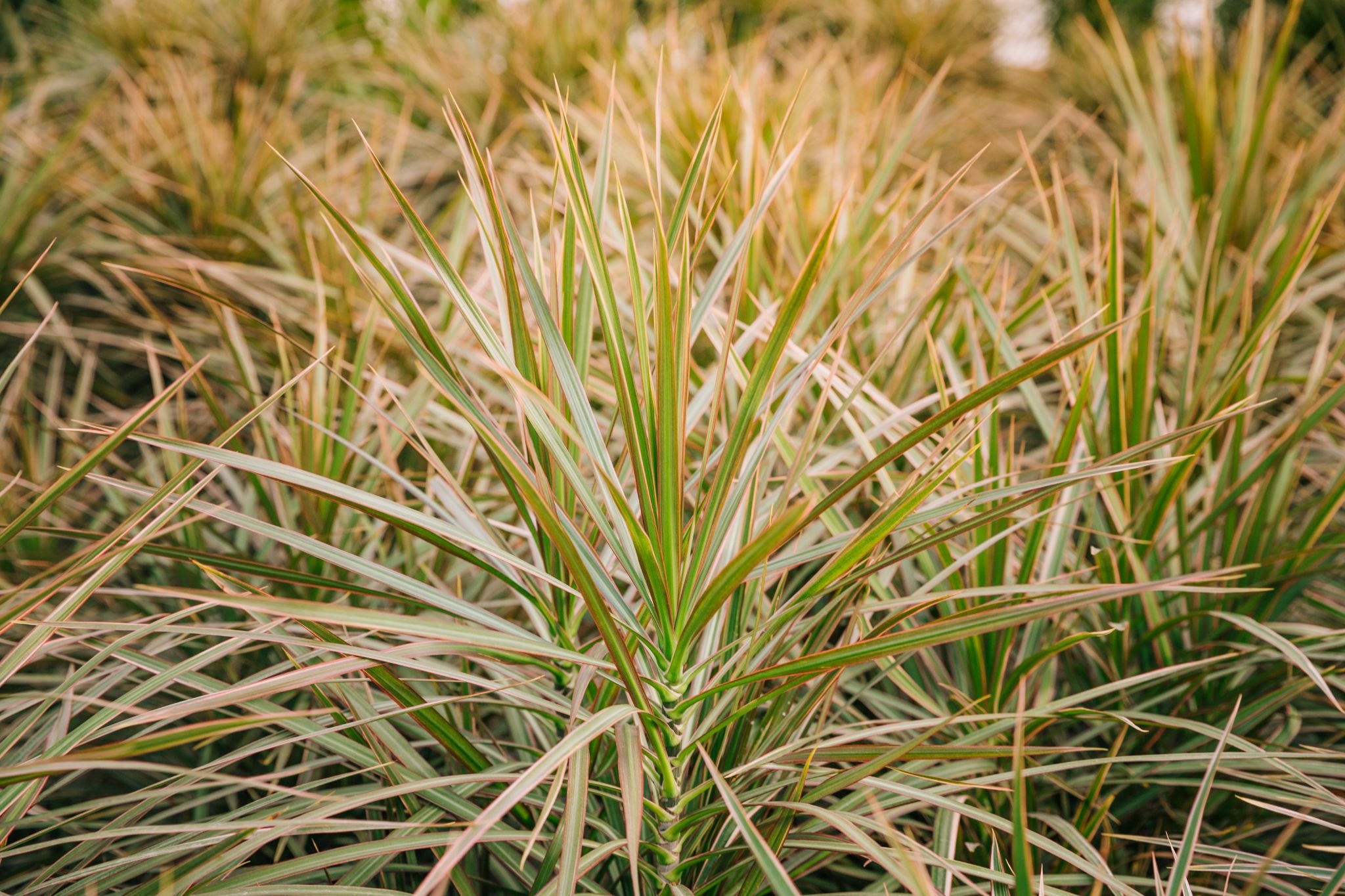
- How to identify: Coarse, light-green clumps, horizontal stems, hairy blades, and finger-like seed spikes. Large crabgrass can reach 2 feet where unrestricted.
- Why it’s a problem: Repeated seedling flushes fill open spaces and compete with desirable turf throughout the growing season.
- How it spreads: Seeds produced from midsummer until the first frost.
- Best time to control: Spring before soil temperatures remain near 55°F, followed by early treatment of escaped seedlings.
- Best control methods: Professional pre-emergent treatment before germination and post-emergent service before mature tillers or seedheads develop.
White Clover
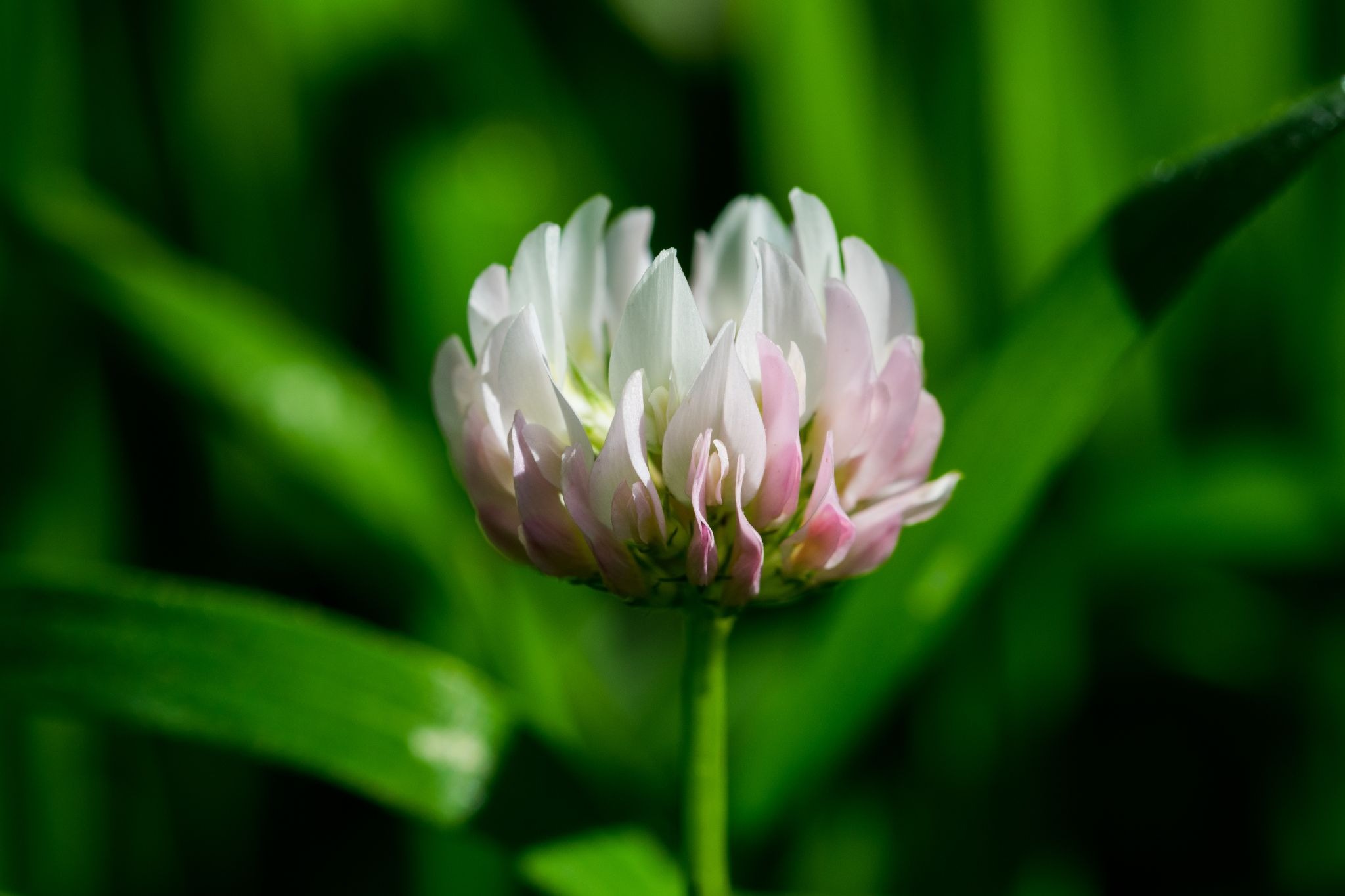
- Scientific name: Trifolium repens
- Weed type: Broadleaf
- Life cycle: Cool-season perennial
- Habitat: Low, spreading lawn patches where turf competition or fertility balance is limited.
- How to identify: Three rounded leaflets with pale V-shaped marks, creeping stems, and white or pink spherical flowers.
- Why it’s a problem: Stems root at the nodes and expand laterally through established turf.
- How it spreads: Creeping stems and seeds. Mature seeds drop three to four weeks after flowers form, with flowering continuing through the growing season.
- Best time to control: Spring and early fall. Germination begins near 50°F, and peak growth occurs at 64–86°F.
- Best control methods: Professional post-emergent treatment plus an on-site evaluation of turf density and fertility conditions associated with recurring clover.
Scotch Thistle
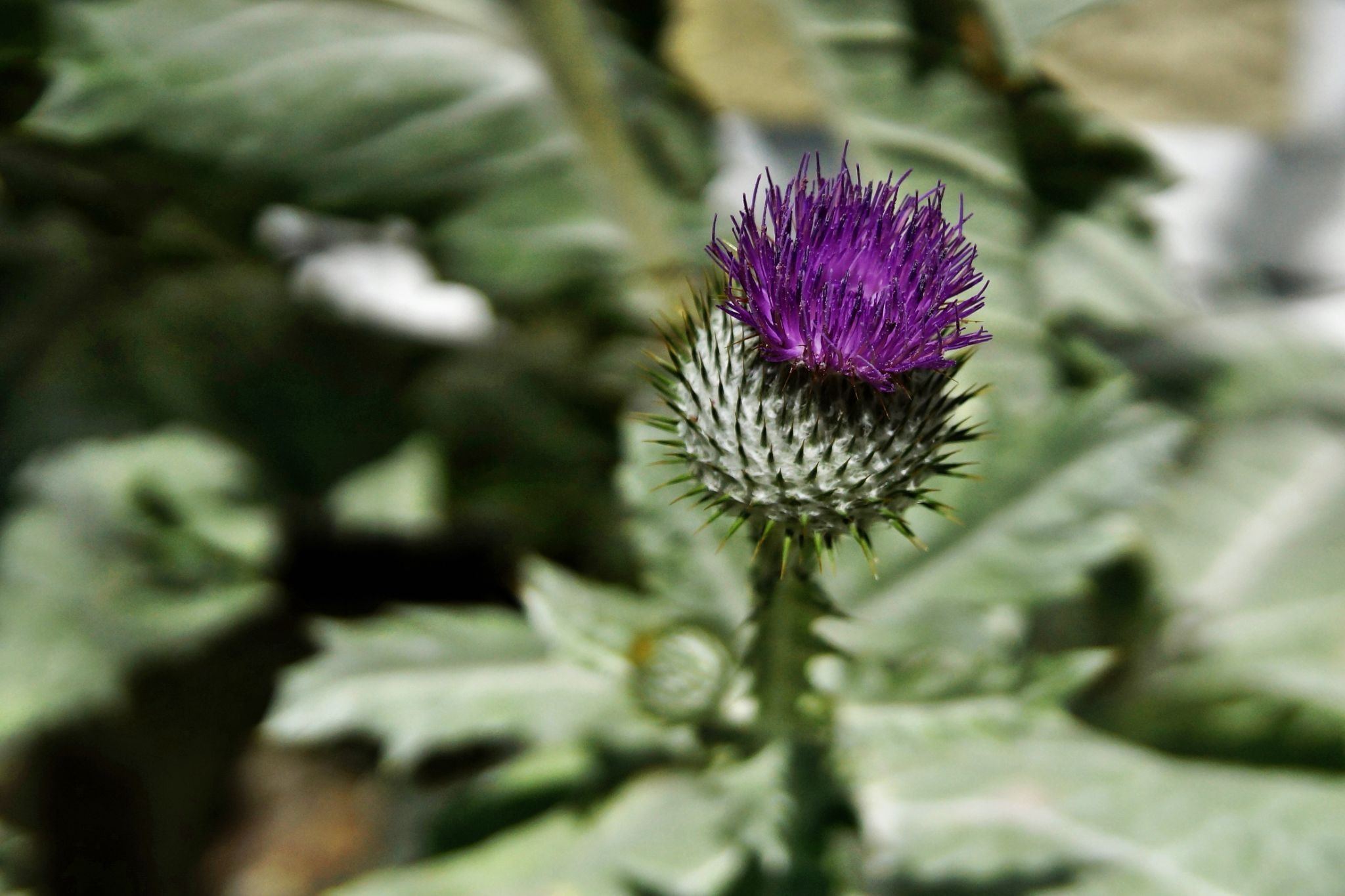
- Scientific name: Onopordum acanthium
- Weed type: Broadleaf; Class 3 noxious weed
- Life cycle: Biennial
- Habitat: Roadsides, construction sites, vacant land, disturbed soil, and property margins.
- How to identify: First-year woolly blue-gray rosettes up to 5 feet wide; second-year spiny, winged stems and upright purple-pink flowers. Mature plants can reach 12 feet.
- Why it’s a problem: Dense, heavily spiny growth displaces desirable vegetation. One plant can produce up to 40,000 seeds.
- How it spreads: Wind-dispersed seed, particularly from disturbed ground and untreated edges.
- Best time to control: Fall or early spring during the rosette stage, before stem elongation and flowering.
- Best control methods: Professional rosette-stage treatment, trained removal of seed-producing plants, and follow-up for newly germinated seedlings.
Dyer’s Woad
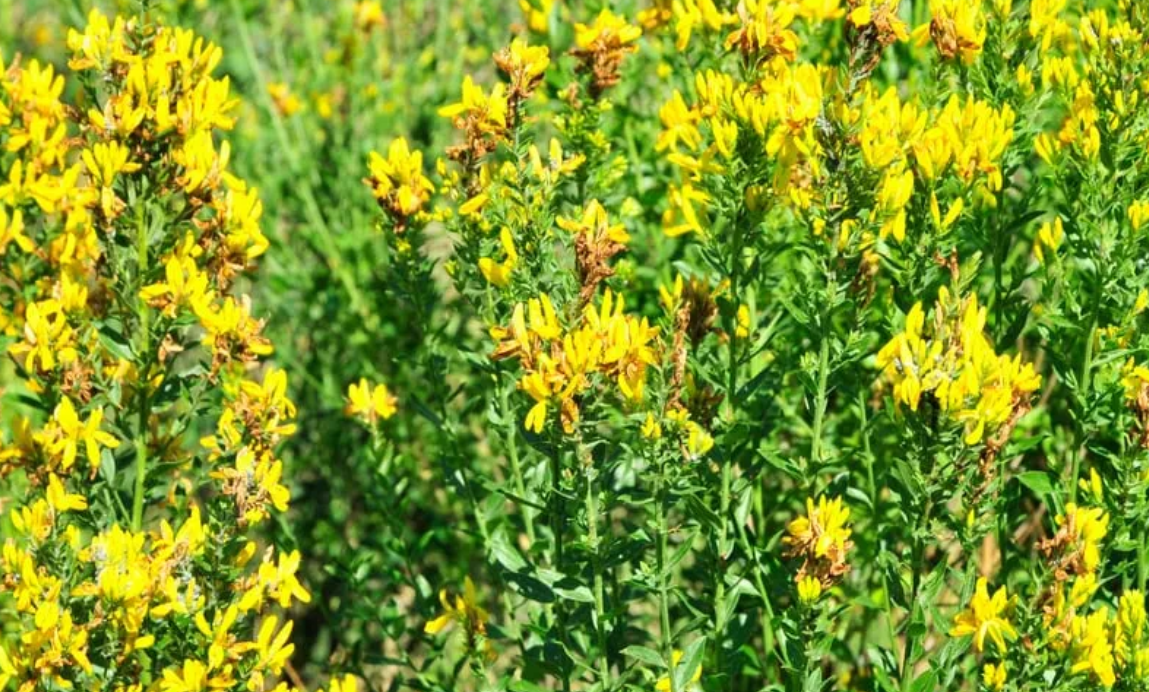
- Scientific name: Isatis tinctoria
- Weed type: Broadleaf; Class 2 noxious weed
- Life cycle: Winter annual, biennial, or short-lived perennial
- Habitat: Foothills, roadsides, fence lines, dry open ground, disturbed edges, rangeland, and dry woodland.
- How to identify: Lance-shaped bluish-green leaves with a white midvein; flat-topped clusters of yellow flowers; dark hanging seedpods; and a thick, deep taproot.
- Why it’s a problem: Dense populations displace perennial grasses and other desirable vegetation.
- How it spreads: Seeds. Green pods may already hold viable seed. Fall-germinated plants usually form rosettes and flower the following spring.
- Best time to control: Fall or early spring before flowering and pod formation.
- Best control methods: Professional rosette-stage treatment, careful handling of seed-bearing plants, and follow-up where seedlings reappear.
Whitetop
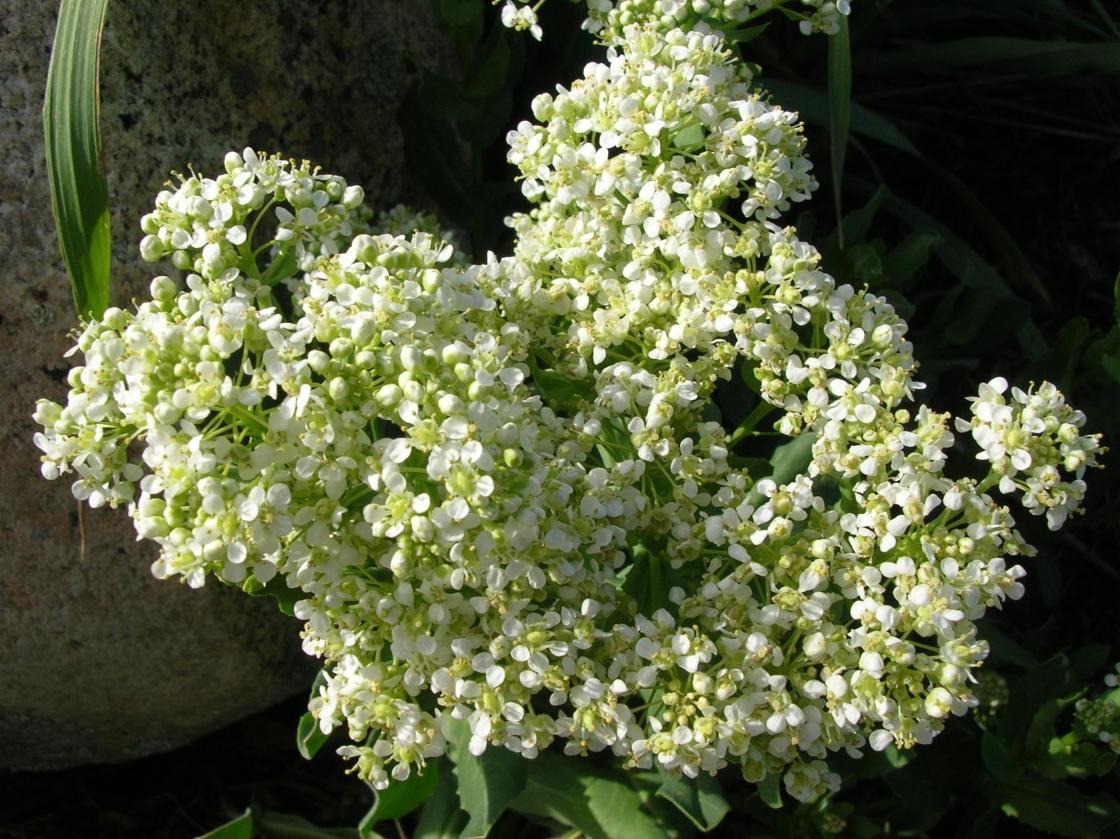
- Scientific name: Lepidium draba, formerly Cardaria draba
- Weed type: Broadleaf; Class 3 noxious weed
- Life cycle: Perennial
- Habitat: Sunny disturbed soil, thin lawns, planting beds, roadsides, and construction areas.
- How to identify: Bluish-green leaves attached closely to slightly hairy stems, with dense white flower clusters forming a flat canopy in late spring.
- Why it’s a problem: Up to 76% of its biomass remains underground. Roots may reach 12–30 feet and compete strongly for moisture and nutrients.
- How it spreads: Seeds and creeping rhizomes. A mature plant produces 1,200–4,800 seeds, while roots can expand several feet in one season.
- Best time to control: Early spring through the bud stage, with another useful window in early fall.
- Best control methods: Repeated professional post-emergent service aimed at the root system and timed to prevent flowering and seed production.
Puncturevine
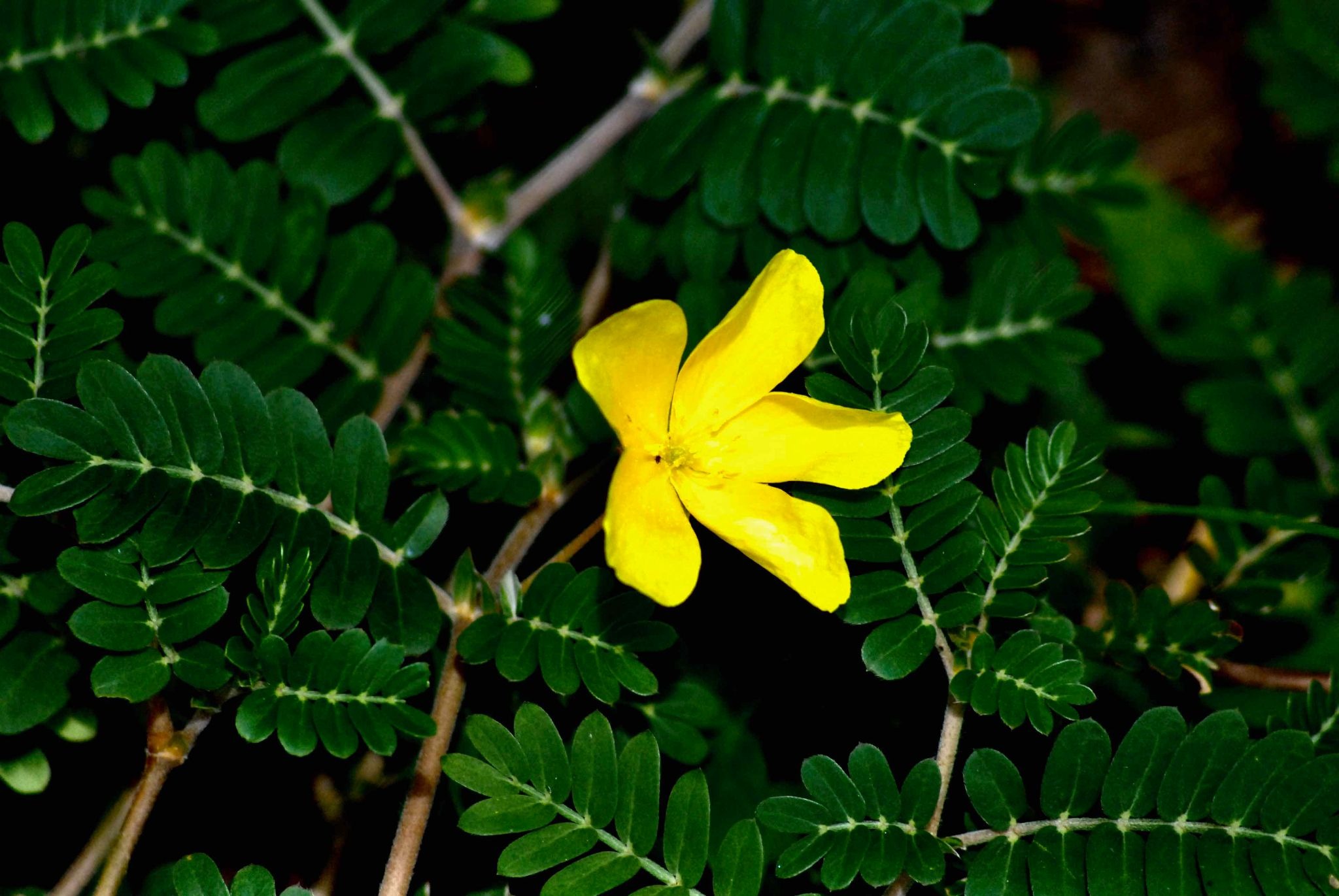
- Scientific name: Tribulus terrestris
- Weed type: Broadleaf; Class 3 noxious weed
- Life cycle: Warm-season annual
- Habitat: Hot, dry soil, roadside edges, thin turf, gravelly ground, and compacted sites.
- How to identify: Radial stems forming 2–5-foot mats, paired leaflets, five-petaled yellow flowers, and hard, sharp-spined burrs.
- Why it’s a problem: Burrs puncture tires and injure pets. It produces 200–5,000 seeds in one season.
- How it spreads: Burrs attach to shoes, pet fur, tires, and equipment. Seeds can remain viable for up to five years.
- Best time to control: Early growth before burr development. Flowering may begin within three weeks of germination.
- Best control methods: Early professional post-emergent treatment, trained removal of burr-bearing plants, and a multiseason plan that prevents new seed from entering the soil.
Need Help Controlling Common Weeds Found in Utah? Let Stewart’s Protect Your Lawn
Identifying a weed is the first step. Effective control also depends on its life cycle, root structure, seasonal growth pattern, turf density, and legal classification.
Stewart’s Lawn Service has served Utah homeowners since 1972. Its Lawn Care Program combines professionally timed fertilization, weed control, and grub control, with decisions based on conditions observed during scheduled visits.
Schedule a professional lawn evaluation with Stewart’s and keep aggressive weeds from gaining another season of growth.
FAQs
What are the most common weeds in Utah?
The most common weeds in Utah lawns include dandelion, field bindweed, spotted spurge, crabgrass, and white clover. Utah properties may also have noxious weeds such as Scotch thistle, Dyer’s woad, whitetop, and puncturevine, especially near thin turf, disturbed soil, roadsides, and property edges.
How do I identify weeds growing in my Utah lawn?
You can identify weeds growing in your Utah lawn by starting with the growth form. Broadleaf weeds have wider leaves and branching veins, while grassy weeds have narrow blades and parallel veins. Sedges resemble grass but usually have solid, triangular stems. Leaf arrangement, flowers, seedheads, sap, roots, and creeping or rosette growth provide additional clues.
What are noxious lawn weeds in Utah?
Utah's noxious weeds are plants regulated under state law because they threaten agriculture, property, or natural ecosystems. Among the weeds in this guide, Dyer's woad is a Class 2 weed, while field bindweed, Scotch thistle, whitetop, and puncturevine are Class 3 weeds. County priorities may vary.
What is the hardest weed to get rid of in Utah?
Field bindweed and whitetop are among the hardest weeds to get rid of in Utah. Both are perennial noxious weeds with extensive underground systems that store reserves and generate new growth.
What is the difference between broadleaf and grassy weeds?
The difference between broadleaf and grassy weeds is their leaf and stem structure. Broadleaf weeds have wider leaves with branching veins and commonly produce visible flowers. Grassy weeds have narrow blades, parallel veins, jointed stems, and grass-like seedheads