.svg)

Common Household Spiders in Utah
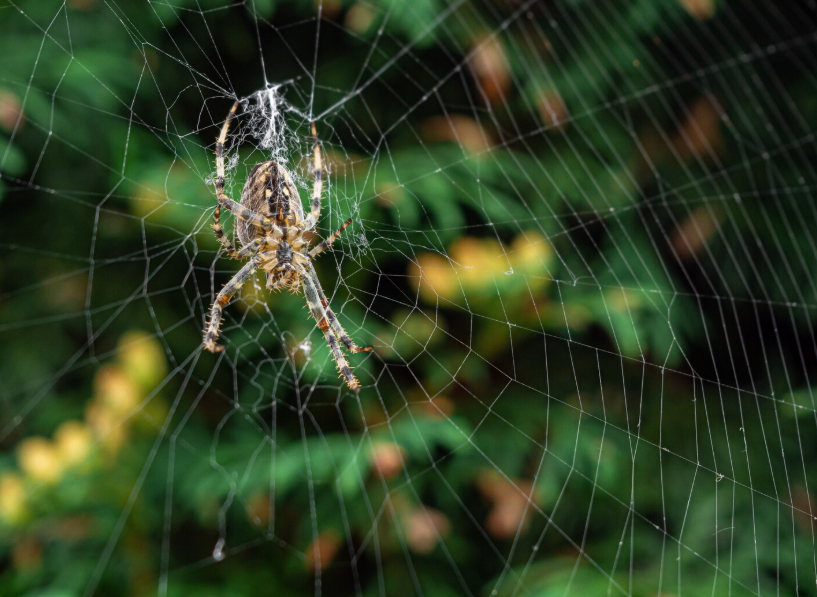
Common household spiders in Utah include yellow sac, house, cellar, wolf, jumping, hobo, grass, false black widow, and western black widow spiders. Most are nuisance predators. Color alone rarely identifies spiders. Body shape, eyes, movement, web type, and location separate harmless species from medical concerns.
Key Takeaways
- Yellow sac spiders shelter in garden plants, shrubs, trees, and flowerbeds outdoors, while leaving white retreats on indoor ceilings. House, cellar, and false widow spiders build irregular cobwebs.
- Wolf spiders hunt across lawns, gardens, flowerbeds, mulch, and soil. Jumping spiders favor foliage, tree bark, sunny walls, and bright windows. Neither builds capture webs.
- Grass spiders build funnel webs in lawns, groundcover, shrubs, and dense flowerbeds. Hobo spiders build similar webs near tall grass, rock borders, woodpiles, and foundations.
- Long spinnerets help distinguish grass spiders, while reliable hobo spider identification may require expert examination.
- Western black widows occupy protected sites around flowerpots, irrigation boxes, woodpiles, and retaining walls. They have an hourglass underside; false widows lack it and pose no recognized medical threat.
Which are the Common Household Spiders in Utah?
Some of the common house spiders in Utah include yellow sac, common house, cellar, wolf, jumping, hobo, grass, false widow, and western black widow spiders. Some live and build webs indoors, while others enter seasonally from lawns, gardens, and flowerbeds. Web type and location can help distinguish them.
Yellow Sac Spiders
Yellow sac spiders are pale nocturnal hunters seen on walls and ceilings.
- What it looks like: The body is pale yellow or beige. A flattened white silk retreat near the ceiling is a stronger clue than color.
- Where you'll find it: They live on shrubs, trees, garden plants, and flowerbed foliage, where they shelter inside folded or rolled leaves. Indoors, they often appear on walls, ceilings, and upper corners.
- Why it's around your home: Small insects provide food; elevated gaps provide daytime shelter.
- What homeowners should know: A trapped spider may bite repeatedly, and bites can cause pain and a slow-healing lesion. USU Extension lists the yellow sac spider as a species of concern in Utah, so persistent or worsening symptoms should be checked by a doctor.
Common American House Spiders
Common American house spiders are small brown cobweb spiders.
- What it looks like: Females are 5 to 6 millimeters long, with a rounded, marked abdomen. Loose cobwebs lack an orb web's wheel pattern.
- Where you'll find it: Closets, basements, garages, window frames, and stored items.
- Why it's around your home: Flies, moths, ants, and other prey keep webs productive. Several occupied webs can reveal concentrated insect activity.
- What homeowners should know: These spiders rarely bite and have no medical significance.
Cellar Spiders
Cellar spiders are long-legged spiders that hang upside down in untidy webs.
- What it looks like: The body is 6 to 8 millimeters; long legs make it appear larger. It may vibrate when disturbed.
- Where you'll find it: Basements, crawlspaces, garages, utility rooms, and ceiling joists.
- Why it's around your home: Quiet overhead corners protect webs; humid spaces support insect prey.
- What homeowners should know: Cellar spiders produce silk. Harvestmen, also called daddy longlegs, have a fused-looking body and produce no silk. Neither is dangerous.
Wolf Spiders
Wolf spiders are large brown or gray ground hunters.
- What it looks like: A hairy body, two large eyes above four smaller eyes, and a span reaching 1.5 to 2 inches identify the giant species. Females carry an egg sac from the spinnerets; young ride on the mother's back.
- Where you'll find it: Hunt across lawns, gardens, flowerbeds, mulch, and bare soil. They may enter garages, basements, and ground-floor rooms while following insect prey or seeking shelter.
- Why it's around your home: Prey, ground shelter, and habitat disturbance bring wanderers to foundation gaps.
- What homeowners should know: Wolf spiders are shy and medically insignificant. One sighting does not prove indoor breeding.
Jumping Spiders
Jumping spiders are compact daytime hunters with large front eyes.
- What it looks like: Phidippus audax is 0.25 to 0.5 inches long, with a hairy body and metallic green mouthparts.
- Where you'll find it: Common on garden plants, shrubs, tree bark, fences, exterior walls, and sunny areas around flowerbeds. Indoors, they are often seen near windows.
- Why it's around your home: Bright windows concentrate visible prey.
- What homeowners should know: Sudden movement can look defensive, but the spider is harmless. Its compact body differs from that of long-legged yellow sac spiders.
Hobo Spiders
Hobo spiders are ground-level funnel weavers that enter homes in late summer and fall.
- What it looks like: A horizontal sheet web ends in a funnel retreat. The legs lack dark bands, but color cannot confirm a hobo spider. Identification may require microscopic structures.
- Where you'll find it: Build funnel webs at ground level in lawns, tall grass, dense garden growth, rock borders, woodpiles, retaining walls, and foundation gaps. They sometimes move indoors from August through October.
- Why it's around your home: Mature males leave webs to find females, increasing seasonal indoor movement.
- What homeowners should know: Hobo venom is not linked to necrotic lesions. Appearance cannot prove a spider caused a skin injury.
Grass Spiders
Grass spiders are harmless funnel weavers that may wander indoors.
- What it looks like: Agelenopsis females measure 10 to 20 millimeters, and males 9 to 18 millimeters. Two long hind spinnerets help separate them from hobo spiders.
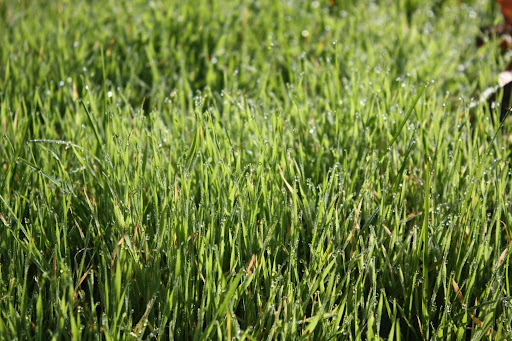
- Where you'll find it: Build horizontal funnel webs across lawns, groundcover, low shrubs, and dense flowerbeds. Their webs are especially noticeable when dew collects on the silk.
- Why it's around your home: Vegetation anchors webs and channels insects across the silk.
- What homeowners should know: Small outdoor funnel webs often belong to harmless grass spiders. A funnel web alone cannot confirm a hobo spider.
False Black Widows
False black widows resemble western black widows but lack the red hourglass.
- What it looks like: Female Steatoda grossa spiders are 6 to 10.5 millimeters long, with a rounded dark abdomen and no red underside marking.
- Where you'll find it: Cupboards, washrooms, and spaces beneath appliances, cabinets, or furniture.
- Why it's around your home: Quiet gaps protect cobwebs from crawling insects.
- What homeowners should know: They pose no medical threat and can prey on black widows. The missing hourglass is the clearest visible distinction.
Western Black Widows
Western black widows are the primary medically significant spiders in Utah homes.
- What it looks like: An adult female has a glossy black abdomen with a red or orange hourglass underneath. It may form two triangles. Immatures can have pale or red markings above.
- Where you'll find it: Favor protected spaces around gardens and landscaped areas, including flowerpots, irrigation boxes, woodpiles, retaining walls, sheds, and window wells. They rarely occupy open lawns or exposed tree canopies.
- Why it's around your home: Protected voids hold webs and egg sacs near insect prey.
- What homeowners should know: Neurotoxic venom can cause spreading pain, muscle rigidity, abdominal pain, sweating, nausea, or breathing difficulty. Of 15,299 U.S. Latrodectus exposures from 2012 through 2022, 10% required admission and 3.4% received antivenom. Suspected bites require medical guidance.
When Should Utah Homeowners Call a Pest Control Professional?
Utah homeowners should call a professional for repeated, widespread, medically significant, or prey-linked spider activity.
Professional Spider Identification and Control From Stewart's Lawn
Stewart's Lawn has served Utah homeowners since 1972. A scheduled evaluation can identify recurring spiders and determine whether professional control is appropriate.
The evaluation assesses:
- Appearance, web type, egg sacs, and location
- Isolated, seasonal, or widespread activity
- Insect prey around the home, lawn, and flowerbeds
- Harborage and likely entry routes
Contact Stewart's Lawn today to get rid of recurring webs, suspected widows, or frequent indoor spiders found in Utah.
FAQs
What are the most common household spiders in Utah?
The most common household spiders in Utah include yellow sac, house, cellar, wolf, jumping, hobo, grass, false widow, and western black widow spiders. Western black widows require greater caution due to their medically significant venom.
What spiders are commonly found inside Utah homes?
Spiders commonly found inside Utah homes include yellow sac, house, cellar, hobo, jumping, wolf, and false widow spiders. House, cellar, and false widow spiders may build indoor webs, while the others often wander inside.
Why are spiders showing up in my lawn and flowerbeds?
Spiders are showing up in your lawn and flowerbeds because these areas provide insect prey, soil gaps, stones, foliage, and web-building sites. Wolf spiders hunt at ground level, while grass spiders build sheet-like funnel webs.
Does landscaping attract spiders to my house?
Yes, landscaping can attract spiders near your house when dense vegetation, leaf litter, sheltered pots, stacked materials, and exterior lighting support insect prey. Plants touching the house also place spiders close to entry gaps.