.svg)

Common Household Bugs in Utah
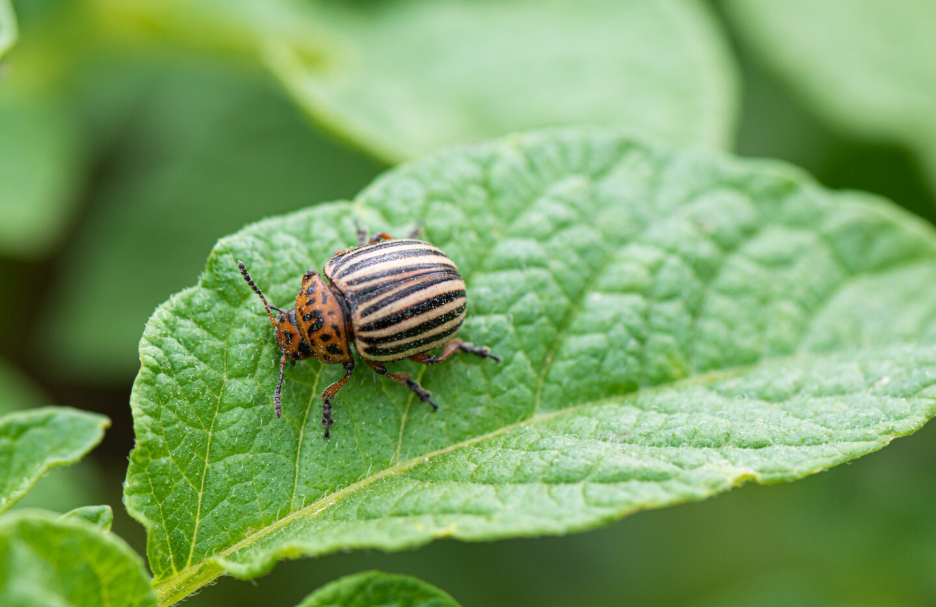
Common household bugs in Utah include ants, carpet beetles, boxelder bugs, elm seed bugs, cockroaches, spiders, paper wasps, and yellowjackets. Some breed indoors or enter seasonally. Only about 1% of insect and mite species are potentially harmful.
Key Takeaways
- Pavement ants nest beneath concrete. Odorous house ant colonies may have several queens. Carpenter ants may indicate damaged wood.
- Carpet beetle larvae feed on animal-based materials. Shed larval skins can reveal an infestation.
- Boxelder bugs gather on sunny fall walls. Elm seed bugs peak from mid-June through August.
- Cockroach nymphs, egg cases, fecal specks, cast skins, or daytime sightings indicate an indoor infestation.
- Western black widows pose Utah’s greatest spider risk. Repeated yellowjacket traffic may reveal a hidden nest.
What are the Common Household Bugs in Utah?
Ants, carpet beetles, boxelder bugs, elm seed bugs, cockroaches, spiders, paper wasps, and yellowjackets are common bugs found in Utah homes.
Ants
- What they look like:
- Pavement ants are dark brown and 2.5 to 3 mm long.
- Odorous house ants have a waist segment that is hard to see from above and smell like rotten coconut when crushed.
- Carpenter ants are larger.
- Where you may find them:
- Pavement ants nest below concrete, stones, borders, and soil beside grass or flowerbeds.
- Odorous house ants travel through grass, mulch, flowerbeds, and irrigation areas.
- Carpenter ants occur near damp wood, tree cavities, stumps, wall voids, and outdoors.
- Why they may be around your home:
- Food, moisture, and shelter attract ants.
- Odorous house ant colonies may contain tens of thousands of workers and several queens.
- Carpenter ants may build galleries in damaged wood.
- Signs of a problem: Recurring trails show activity. Coarse frass, indoor winged ants, or winter carpenter ants may indicate an indoor colony.
Carpet Beetles
- What it looks like: Adults are oval, black or patterned, and 2 to 5 mm long. Brown, hairy larvae are 1 to 10 mm long and may have tail tufts.
- Where you may find it: Adults visit flowers or collect them near windows. Larvae and shed skins appear along carpet edges, baseboards, behind beds, in closets, near air returns, and in stored fabrics.
- Why it may be around your home: Larvae feed on wool, fur, feathers, leather, hair, skin flakes, lint, dead insects, and some dry foods. Carpet beetles are Utah’s second-most frequent insect group.
- Signs of a problem: Look for irregular holes, thinning fabric, hairy larvae, and empty larval skins.
Boxelder Bugs
- What it looks like: Boxelder bugs are half-inch black insects with red lines on the thorax and wings.
- Where you may find it: Adults gather near seed-bearing boxelder trees. They rest on grass, shrubs, sunny walls, and warm surfaces before entering door casings, cracks, wall voids, attics, and windows.
- Why it may be around your home: Adults enter for winter shelter and reproduce outdoors. Second-generation adults mature mainly in August and September, driving fall movement.
- Signs of a problem: Fall wall clusters, warm-day winter sightings, odor, and dark fecal spots show an invasion. Landscape damage is minor.
Elm Seed Bugs
- What it looks like: Elm seed bugs are one-third-inch rusty-red and black insects. An upside-down black triangle bordered by red markings helps identify this type of Utah household pest.
- Where you may find it: Nymphs feed on fallen elm seeds in grass, flowerbeds, and soil below elm trees. Adults enter through window and door gaps and appear on walls, ceilings, furniture, and sills.
- Why it may be around your home: Utah populations produce one yearly generation and overwinter in structures. Emergence starts from mid-May through late June. Activity peaks from mid-June through August.
- Signs of a problem: Nymphs, shed skins, window-frame fecal spots, and a bitter-almond-like odor confirm elm seed bugs.
Cockroaches
- What it looks like: Cockroaches have flat oval bodies, long antennae, spined legs, and a head hidden from above.
- Where you may find it:
- German cockroaches favor warm, humid kitchens and bathrooms.
- Oriental cockroaches occupy damp lower levels, drains, crawl spaces, mulch, flowerbeds, and spaces below landscape materials.
- Why it may be around your home: Food, water, warmth, cracks, and shelter support breeding. Deliveries, appliances, and plumbing can spread cockroaches.
- Signs of a problem: Nymphs, egg cases, fecal specks, cast skins, odor, and daytime sightings show an infestation. Egg cases hold 16 to 50 eggs, depending on species. Cockroach debris can worsen allergies and asthma.
Spiders
- What it looks like:
- Female black widows are glossy black with a red hourglass below the abdomen.
- Hobo spiders are fast brown funnel weavers.
- Wolf spiders are larger, hairy hunters without capture webs.
- Where you may find it:
- Black widow webs occur in garages, sheds, crawl spaces, retaining walls, and landscape materials.
- Hobo spiders stay near ground level and flowerbed edges.
- Wolf spiders hunt across grass and soil.
- Why it may be around your home: Insect prey, sheltered gaps, and seasonal wandering bring spiders close.
- Signs of a problem: Rebuilt webs, egg sacs, repeated wanderers, or several spiders near one entry show activity.
Paper Wasps
- What they look like: Paper wasps are slender and 5/8 to 3/4 inch long. Their long legs hang down during flight. Their open, umbrella-shaped nests have visible cells.
- Where you may find them: Nests may hang under eaves, outdoor fixtures, benches, play equipment, hollow pipes, branches, or other protected areas. Paper wasps hunt around grass, flowers, trees, and shrubs.
- Why they may be around your home: Protected nest sites, insects, and nectar support their colonies. Queens begin new nests in spring, and colonies grow during summer.
- Signs of a problem: An open nest with visible cells, repeated wasp activity in one area, defensive behavior, or stings may indicate an active colony.
Yellowjackets
- What they look like: Yellowjackets are stockier than paper wasps. They are yellow and black, have no visible hairs, and measure 3/8 to 5/8 inches long.
- Where you may find them: Yellowjackets may nest in rodent burrows, soil holes, wall voids, tree cavities, lawns, or flowerbeds. They also gather near outdoor food, garbage, meat, and sweet drinks.
- Why they may be around your home: Insects, nectar, meat, sugar, human food, and protected nesting spaces support their colonies. Their search for food becomes more noticeable during fall.
- Signs of a problem: Yellowjackets repeatedly entering the same ground hole or wall gap may indicate a hidden nest. They can sting more than once, and about 90% of reported stings are likely caused by yellowjackets.
Indian Meal Moths
- What they look like: Adult Indian meal moths have a wingspan of about 5/8 inch, with bronze wings crossed by a broad gray band. The larvae are small and white.
- Where you may find them: They occur around stored grains, cereal, flour, nuts, seeds, dried fruit, powdered milk, and pet food.
- Why they may be around your home: Most infestations begin when packaged food containing eggs or larvae enters the home.
- Signs of a problem: Small moths, white larvae, silk webbing, or clumped food can indicate an infestation. Indian meal moths are among the stored-food pests frequently identified in Utah.
Millipedes
- What they look like: Millipedes are brown, have many short legs, and usually measure 1 to 1.5 inches long. They curl into a coil when disturbed.
- Where you may find them: They live beneath rocks, logs, plant debris, mulch, and lawn thatch. Indoors, they often appear in basements and other damp areas.
- Why they may be around your home: Millipedes feed on decaying plant material and need high moisture. They may enter buildings after wet weather, especially during spring or fall.
- Signs of a problem: Sudden groups on floors, walls, or near damp areas indicate an invasion. Continued indoor activity may point to excess moisture, although millipedes usually die within one or two days indoors.
How Stewart’s Helps Protect Utah Homes From Common Bugs
Serving Utah since 1972, Stewart’s evaluates the common household pests’ activity in Utah.
The scheduled evaluation for common insects in Utah homes covers:
- Pest appearance, size, life stage, droppings, shed skins, egg cases, webs, or nest type
- Activity in kitchens, bathrooms, basements, attics, closets, wall gaps, and stored-food areas
- Pest sources in lawns, flowerbeds, trees, shrubs, mulch, and other areas near the home
- Moisture, food, nesting sites, hiding places, and likely entry routes
- Whether the activity is isolated, seasonal, recurring, or present in several areas
Contact Stewart’s Lawn today if you notice recurring ant trails, cockroach egg cases, carpet beetle skins, spider webs, seasonal bug clusters, or repeated common bug activity in Utah.
FAQs
What are the most common household bugs in Utah?
The most common household bugs in Utah include ants, carpet beetles, boxelder bugs, elm seed bugs, cockroaches, spiders, paper wasps, and yellowjackets. Carpenter ant swarmers, frass, or winter workers may signal wood galleries.
What attracts bugs to homes in Utah?
Food, water, warmth, nest sites, trees, prey, lights, and structural gaps attract bugs to homes in Utah. Ant trails reveal colony routes, cockroach nymphs show indoor breeding, and fall boxelder clusters show shelter-seeking.
Can my lawn or flowerbeds attract bugs to my house?
Yes. Your lawn or flowerbeds can attract bugs to your house. Turf and flowerbeds support ants, spiders, wasps, and seed bugs through soil, moisture, fallen seed, plant cover, and prey. Activity near foundations raises entry pressure; indoor breeding depends on species and interior conditions.
What bugs commonly enter Utah homes in the fall?
Some of the bugs that commonly enter Utah homes in the fall are boxelder bugs, elm seed bugs, funnel-weaving spiders, and ground insects. Boxelder bugs use wall or attic voids for winter shelter. Mature spiders may enter.
Does Stewart’s treat common household bugs in Utah?
Yes. Stewart’s provides professional pest control for common household bugs in Utah, including ants, spiders, wasps, cockroaches, boxelder bugs, millipedes, and other pests.